
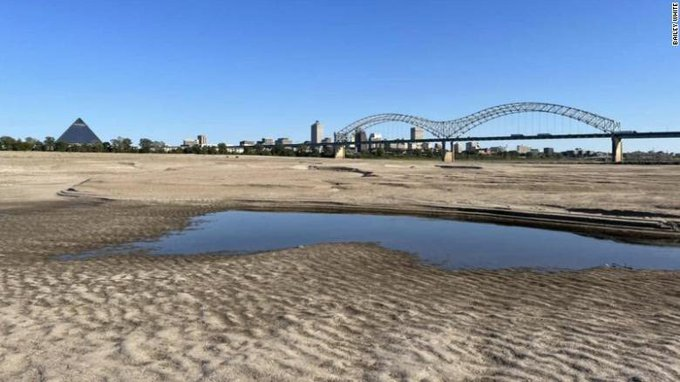
The Mississippi River is 2,350 Miles Long. This massive waterway is slowly shrinking in volume and affecting many areas along its long river line. In the past decade, many of us have experienced uncommon heat events, from Europe, and America to the Latin American Continent and further still. This heat has accelerated the evaporation of many waterways, rivers, ponds, and creeks. These heat waves are not historically uncommon, yet the media, social and political thought point to these events as results of Climate Change and its effects on the weather.
How have these heat events affected you? We’ll let us look at British Columbia, a place experiencing uncommon fall weather, a heat wave fact. The local government has limited the volume of freshwater that businesses can use and limited residential uses, making an effort to supply emergency agencies, fighter fighting, hospitals, and essential services with the limited water they have in storage. Concerns for the local wildlife, future spawning fish, forestry management, and urban planning have centered upon water management and storage. Government Agencies responsible for the management of water have warned locals of a potential water crisis should warnings of crisis management be ignored mostly because of control and management costs. Superior water management and storage costs dearly, and most Provincial, Local or State Governments prefer funding more socially popular services. Commercial firms such as bottled water, craft breweries, and swimming pools, are limited in their water use. Conservation and conservancy have become a public demand affecting residents and businesses alike.
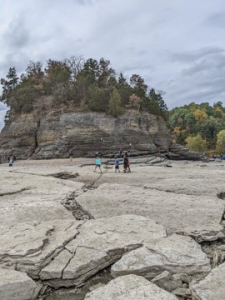
Water levels in The Great Lake Region are at low levels too, presenting conservationists’ efforts, tourism, and fishing Industries with the problem of waterway consistency, ice control, the safety of travel upon the lakes, and how will the local and migrating wildlife respond to these inconsistencies? Below are pictures of well-known landmarks on The Mississippi, landmarks showing long-term water deprivation. Canadian waterways across the nation have experienced similar climate effects that are challenging and threatening various wildlife species and the spread of foreign-evasive plant life. The threat to Transporation routes on these waterways whether for commercial or tourism purposes cannot be ignored.
The commercial cost of fresh water has been increasing continually this past decade, and with the drought spreading across continents will become far more costly. Australia enacted laws requiring their residents to make every effort to conserve fresh water such as…
1. Installing devices on the roof to collect fresh water
2. Use the privy less, flushing at the end of the day.
3. Providing residents-built apparatuses to collect and store water on their premises.
4. Making the wasting of fresh water a crime punishable by a fine or jail term.
5. Institutions of Higher Learning establish departs specializing in water dynamics, storage, and management.
The time has come to place water management high on the public agenda throughout the world. Water brings life. Is the supply of water a human right? Many areas of this vast globe lack water, while Corporations have gained access to and control of this scarce resource. Should private firms be allowed to own, manage and sell water? Is water a commodity or a gift?
We know “many thousands have lived without love, but no one without water”(WH Warden). Is the availability of freshwater love expressed by our planet too and for Us?
Steven Kaszab
Bradford, Ontario
[email protected]