



The Canada Pension Plan is a mandatory, earnings-based public pension that replaces part of a worker’s income in retirement and also pays benefits when a contributor becomes disabled or dies. Almost every employed and self-employed person in Canada outside Quebec pays into it. Quebec runs its own parallel program, the Quebec Pension Plan.
The plan began on Jan. 1, 1966. Employment and Social Development Canada is responsible for it and pays benefits through Service Canada, while the Canada Revenue Agency collects contributions through payroll deductions and income tax returns.
Contributions are shared. An employee and their employer each pay the same amount, and self-employed people pay both halves. For 2026, the first tier of contributions applies to earnings between a basic exemption of $3,500 and the year’s maximum pensionable earnings of $74,600, at a rate of 5.95 per cent each for employees and employers, according to Employment and Social Development Canada. A second tier charges four per cent on earnings between $74,600 and $85,000.
| CPP figure for 2026 | Amount |
|---|---|
| Basic exemption | $3,500 |
| Maximum pensionable earnings (first ceiling) | $74,600 |
| Second earnings ceiling | $85,000 |
| Employee and employer rate, each | 5.95% to the first ceiling, 4% between the ceilings |
| Maximum employee contribution | $4,646.45 ($4,230.45 plus $416) |
| Maximum self-employed contribution | $9,292.90 ($8,460.90 plus $832) |
| Maximum monthly retirement pension at 65 (starting January 2026) | $1,507.65 |
| Death benefit | $2,500, paid once |
Source: Employment and Social Development Canada.
The money pays for several benefits. The best known is the retirement pension, which can start at any age from 60 to 70. Taking it at 60 cuts the monthly amount by 0.6 per cent for each month before 65, up to 36 per cent, while waiting past 65 adds 0.7 per cent a month, up to 42 per cent at 70, according to the federal government.
The plan also pays a disability pension to contributors under 65 who cannot work regularly because of a severe and prolonged disability, a survivor’s pension to a surviving spouse or common-law partner, benefits for dependent children, and the one-time death benefit. People who keep working while collecting their pension, and keep contributing, earn a post-retirement benefit that is added to their income the following year.
How much a person receives depends on how much they earned and contributed, and for how many years. Few people get the maximum, because it requires contributions at or above the earnings ceiling for most of a working life. Benefits are adjusted each January to follow the consumer price index, and they count as taxable income.
The plan has been growing since 2019. Federal and provincial finance ministers agreed in 2016 to enhance it, gradually raising the share of eligible earnings it replaces from one-quarter to one-third and adding the second, higher earnings ceiling. The higher contribution rates pay for the extra benefit, which builds up only for years worked since 2019, so younger workers will see most of the gain.
Contributions not needed to pay current benefits are invested by CPP Investments, a federal Crown corporation that operates at arm’s length from governments. It reported net assets of $793.3 billion as of March 31, 2026, and a net return of 7.8 per cent for its 2026 fiscal year, according to its annual results release.
Changing the plan is deliberately hard. Amendments need the approval of Parliament and of at least two-thirds of the provinces representing at least two-thirds of the population, and federal and provincial finance ministers review the plan every three years.
Pensions do not start on their own. People must apply, which they can do online through My Service Canada Account, where they can also see their contribution history and an estimate of their future pension. For a closer look at this year’s payments, see our guide to how much CPP you can expect in 2026.
The best start date depends on health, other income and savings, so readers weighing when to take their pension should check their own situation with a qualified financial adviser.
If you find reporting like this useful, consider supporting Canada News Media, an independently owned Canadian newsroom.
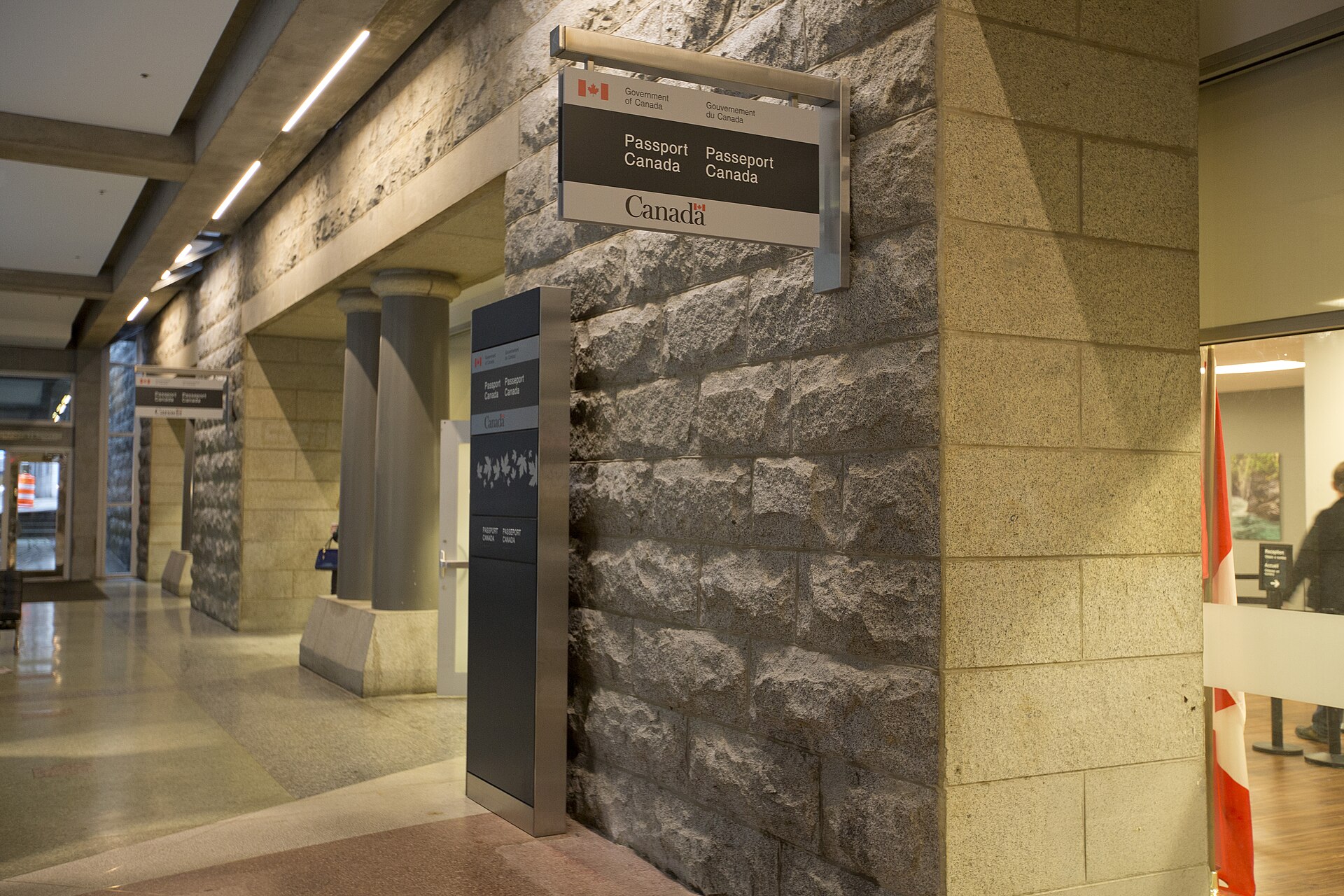
File photo: a Service Canada office at the Sinclair Centre in Vancouver. Photo by GoToVan, Wikimedia Commons, CC BY 2.0.
Follow Canada News Media
Get the day's top Canadian stories and our two daily 60-second news videos wherever you scroll.
X Threads Facebook Instagram LinkedIn TikTok YouTube Pinterest Reddit Substack Flipboard Newsletter RSS