



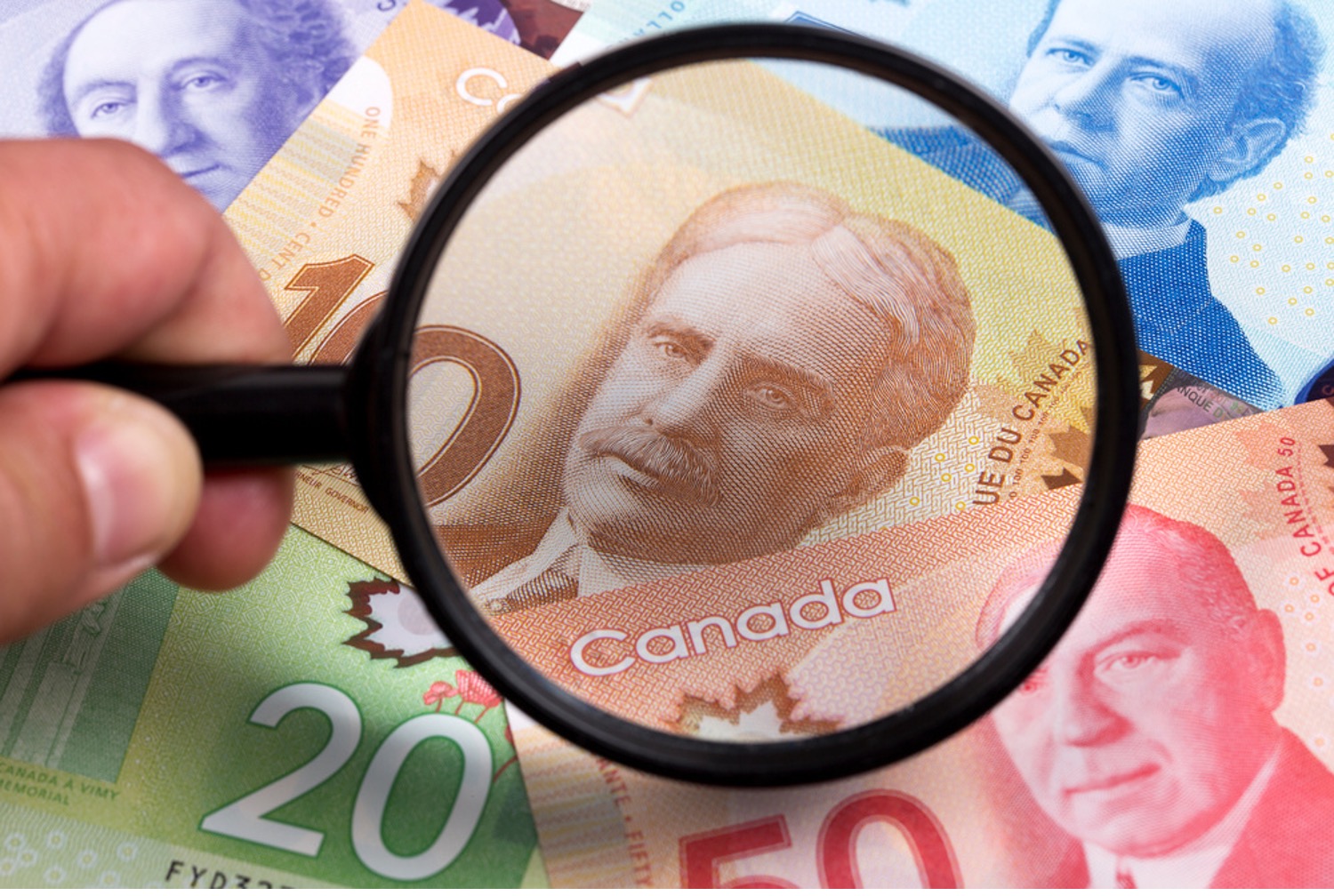
The coronavirus pandemic contributed significantly to the current economic crisis in Canada. High inflation pushed companies out of business, and thousands of Canadians lost their jobs. However, the country’s economy recovered faster from the pandemic than many observers predicted.
The wage growth was back to the pre-pandemic level, and the unemployment rate by 2021 was at an all-time low. Unfortunately, a war broke out in Ukraine, reversing all the gains.
The inflation in Canada has constricted family budgets and increased business operational costs. Economic experts warn that the inflation in Canada may reach a self-sustaining level if the war in Ukraine doesn’t end soon enough. Canadians on fixed or low income are the worst hit by inflation.
You probably wonder what could have led to the high inflation in Canada despite a promising recovery from the pandemic. Here are three causes of the high inflation in the country.

-
Soaring Prices Of Basic Commodities
The Bank of Canada has identified the excessive demand for products as the primary driving factor for the soaring inflation. There’s a high demand for essential food products from the international market. Canada depends on the global market for essential commodities such as gas and cooking oil. Ukraine is the primary exporter of corn and sunflower oil in the international market.
However, the ongoing war in Ukraine disrupted the supply chain of these basic commodities. The disruption led to an increase in demand and price.
Canadians have contributed to inflation by purchasing highly-priced basic commodities. Sadly, inflation becomes ingrained when it feeds on itself; this is the situation in the country. The price of essential commodities increases because of the rising manufacturing and supply chain costs.
The Bank of Canada must take proactive steps before inflation becomes self-fulfilling. Businesses and households expect the prices of commodities to keep soaring. And they behave accordingly.
-
Disruptions In The Global Supply Chain
Global economies thrive through interdependency. But the coronavirus pandemic disrupted the global supply chain. In response, the demand for essential products soared. The unpredictable global marketplace caused the high demand, and Canadians responded by increasing their spending on basic commodities.
Similarly, companies used debt to secure enough raw materials from global suppliers. The war in Ukraine exacerbated the demand for products in the international market. Low demand for the Canadian dollar in foreign exchange further increased inflation. Since domestic markets lack direct control over internationally traded goods, inflation in Canada became inevitable.
-
The Need To Balance Trade-Offs
When inflation increased in 2021, the Bank of Canada decided to raise the interest rate for a short duration. This strategy cushioned the country from inflation shocks across the border. The principle behind it was that international inflation would subside over time. However, this was a short-term solution designed to weigh in on trade-offs.
Apart from absorbing global shock, the Bank of Canada hoped the monetary policy would restore jobs lost during the pandemic.
Unfortunately, disruptions in the supply chain and the war in Ukraine have lasted longer than expected. No one knows when the war in Ukraine will end; therefore, the global supply chain remains unpredictable.
Intervention Strategy
According to the Bank of Canada, the inflation may be too high but hasn’t reached the self-fulfilling stage. Therefore, it’s easier to bring it down at this stage before it peaks at an unsustainable level. The Bank of Canada has responded to frenzy spending by increasing lending rates in March 2022. It has increased the interest rates to curb inflation in four ways:
- Discourage borrowing: The move will prevent Canadians from excessive and uninformed spending behaviour.
- Encourage saving: The high-interest rates will encourage Canadians to save their money, thus stabilizing inflation and stimulating economic growth.
- Increase the value of the Canadian dollar: The move will help reduce the demand for the American dollar in the country which is required for international purchasing.
- Reduce the demand for products and services: The demand for goods and services is responsible for inflation in Canada. The Bank of Canada hopes to minimize the demand for goods by reducing the currency in circulation
Conclusion
The war in Ukraine is primarily responsible for Canada’s current inflation. Unfortunately, cross-border wars are unpredictable. There’s no way to predict when the war will end. Therefore, it’s difficult to tell when Ukraine shall recover from the war and stabilize its trade activities with Canada.
However, the Bank of Canada can take several proactive measures to minimize inflation before it peaks at an entrenched level. There could be risks of plunging the economy into depression. However, when monetary policies such as increasing the lending rates take effect, the Bank of Canada can tame inflation to manageable levels without hurting the economy.
Follow Canada News Media
Get the day's top Canadian stories and our two daily 60-second news videos wherever you scroll.
X Threads Facebook Instagram LinkedIn TikTok YouTube Pinterest Reddit Substack Flipboard Newsletter RSS