

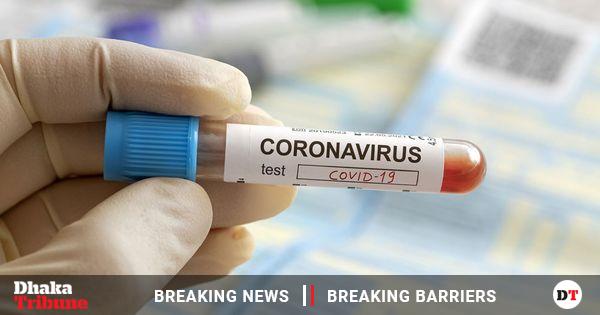

Scientists remain unsure whether coronavirus antibodies give a person immunity or reduce the risk of reinfection
WHO officials are studying the so-called serological, or antibody, tests, which can indicate whether a person has had Covid-19 in the past and was either asymptomatic or recovered from the illness.
Scientists remain unsure whether coronavirus antibodies give a person immunity or reduce the risk of reinfection. A person typically develops an antibody response about one to two weeks after becoming infected with Covid-19.
According to an April 24 WHO Scientific Brief: “Many countries are now testing for SARS-CoV-2 antibodies at the population level or in specific groups, such as health workers, close contacts of known cases, or within households. WHO supports these studies, as they are critical for understanding the extent of — and risk factors associated with — infection.”
Here are some countries who are conducting antibody tests:
China
Wuhan, the coronavirus pandemic’s original epicentre, has started testing thousands of people returning to work and others without symptoms for antibodies to gain a clearer picture of immunity levels in the city and try to prevent a second wave of disease.
Spain
Spain hopes that a wide-ranging antibody testing campaign, which started on April 27 and is supposed to last several weeks, will help it realize the true extent of the coronavirus outbreak in the country, which has been hit hard by the pandemic.
Around 90,000 residents from 36,000 households are to be given two different tests, a process to be repeated twice at three-week intervals. Participation in the nationwide study is voluntary.
Italy
Italy began conducting antibody tests in the northern region of Lombardy on April 23, seeking information about coronavirus immunity to help guide authorities as they reopen the long locked-down country.
Lombardy, the region hardest-hit by the coronavirus crisis in Europe’s worst-affected country, is betting that the science about “herd immunity” derived from the blood tests will help the prosperous industrial region return to work faster and safer.
Health authorities said 20,000 tests would be performed every day in Lombardy. First to be tested are those in the worst-hit provinces: healthcare workers, those under quarantine showing coronavirus symptoms and those they have been in contact with, as well as others with mild symptoms.
Authorities hope to roll out the tests to the wider region after April 29.
Germany
Germany started nationwide antibody tests, becoming the first European country to do so, though the question remains about how reliable the data derived from the tests will be.
Britain
The British government announced plans on April 23 for a major study to track coronavirus in the general population, with as many as 300,000 people expected to take part within a year.
In the first phase, a representative sample of 25,000 people will be regularly tested using self- administered nose and throat swabs, to establish if they have Covid-19.
Regular blood samples will also be taken from adults from around 1,000 households to help assess how many people have developed antibodies.
United States
The US Food and Drug Administration on April 2 approved a new test for coronavirus antibodies, the first for use in the US.
In the US, the test kits developed by the Centers for Disease Control and Prevention (CDC) had “flaws” –the government then removed the bureaucratic barriers that had prevented private testing.
New York has begun “the most aggressive” statewide antibody testing to help determine how much of the population has been infected by and recovered from the coronavirus — a step health officials say is essential for reopening the economy.
The state Department of Health officials plan to randomly select 3,000 people for tests that will look for indications that their bodies have fought off the virus, even if they were never tested or showed any symptoms.
Czech Republic
The Czech Republic has started testing 27,000 people for coronavirus antibodies to gain information on how many came into contact with the infection. However, 80% of test kits the Czech Republic purchased from China reportedly gave wrong results.

Follow Canada News Media
Get the day's top Canadian stories and our two daily 60-second news videos wherever you scroll.