

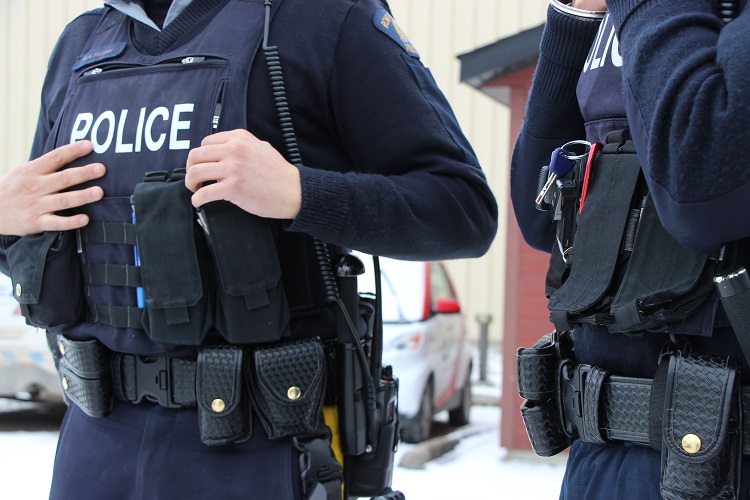
The recommendation that body cameras should be mandatory for RCMP officers during interactions with Black Canadians raises important considerations in the context of policing and community relations. Implementing body cameras has been a topic of extensive discussion, particularly in the wake of high-profile cases of alleged police misconduct and systemic racism.
Body cameras are often seen as tools that enhance accountability and transparency in policing. They provide an objective record of interactions between officers and the public. For Black Canadians, who have reported experiences of racial profiling and disproportionate use of force, body cameras could serve as a critical mechanism for ensuring fair treatment. Recorded footage can be crucial in investigations of alleged misconduct.
A key aspect of using body cameras is the potential to rebuild trust between law enforcement and Black communities. The presence of a camera can reassure citizens that their interactions are being monitored and recorded, potentially leading to more trustful and respectful exchanges.
The use of body cameras can also act as a deterrent against potential misconduct by officers. Knowing that their actions are being recorded, officers might be more likely to adhere strictly to protocols and treat all individuals fairly, regardless of race.
In addition to accountability, body cameras serve as effective tools for evidence collection. They can provide clear facts about what transpired during police-citizen encounters, which can be invaluable in both criminal investigations and in resolving complaints against police.
However, the implementation of body cameras also raises privacy concerns. There must be clear policies regarding when cameras should be turned on and how the footage is stored and used. Balancing transparency with privacy rights is crucial.
Another consideration is the cost and logistics of implementing a body camera program. This includes not only the expense of the cameras themselves but also data storage, training, and administration. These factors must be carefully considered to ensure the program’s sustainability.
Merely equipping officers with body cameras is not a panacea. It should be part of a broader strategy of police reform. This includes comprehensive training on cultural sensitivity, anti-racism, and de-escalation techniques. Policies must be in place to ensure that cameras are used effectively and consistently.
Mandatory use of body cameras by RCMP officers during interactions with Black Canadians can be a significant step towards enhancing accountability, transparency, and trust. However, this must be part of a wider strategy that addresses systemic issues in policing and ensures respect for privacy and civil rights. Careful consideration of the operational, legal, and ethical aspects is essential for the success of such a program.