


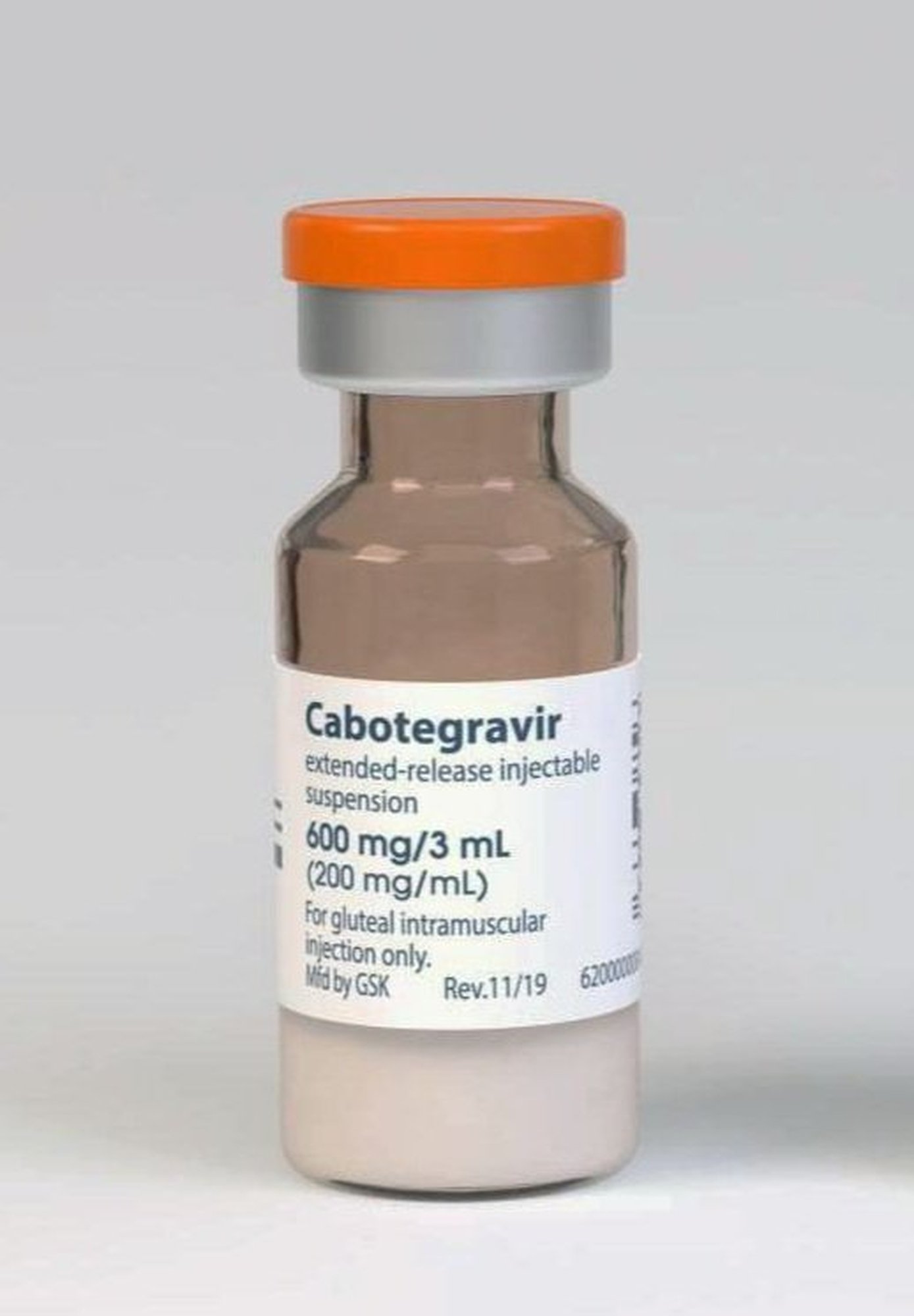
Mvuma Zimbabwe- Zimbabwe has become the first country in Africa and the third in the world after the United States (US) and Australia to approve the use of the long-acting injectable Cabotegravir (CAB-LA).
According to the World Health Organization (WHO), CAB-LA may be offered to people at substantial risk of HIV acquisition as part of comprehensive HIV prevention approaches.
Dr. Meg Doherty, director of WHO’s Global HIV, Hepatitis, and Sexually Transmitted Infections Programmes, commended Zimbabwe for the ground-breaking decision, adding that WHO would support Zimbabwe to design and develop programs so that CAB-LA can be implemented, safely and effectively, to achieve the greatest impact.
“WHO welcomes the news that Zimbabwe has approved the use of CAB-LA, which will pave the way for its use, providing more safe and effective options for HIV prevention,” said Dr. Doherty.
The country’s fight against HIV has seen AIDS-related deaths fall from an estimated 130 000 in 2002 to 20 000 in 2021.
Last year it launched a strategic plan to end Aids by 2030 and has already reached a target known as 90-90-90 – 90 percent of people living with HIV knowing their status, 90 percent getting antiretroviral treatment, and 90 percent having the virus suppressed.
However, Zimbabwe’s healthcare system is facing extreme difficulties amid the country’s economic crisis.
Meanwhile, WHO has said it will suspend its standard two-dose vaccine regimen against cholera in an effort to conserve supplies, noting that the stockpile is in a grave state as dozens of countries report new infections.
WHO announced the decision on Wednesday, saying the pivot in strategy will allow for the doses to be used in more countries.
In addition, WHO said that the production of cholera vaccines is now at its maximum current capacity, arguing that the one-dose strategy is the only practical way to stretch supplies given the constraints.
“The benefit of supplying one dose still outweighs no doses. Although the temporary interruption of the two-dose strategy will lead to a reduction and shortening of immunity, this decision will allow more people to be vaccinated and provide them protection in the near term, should the global cholera situation continue deteriorating,” read a statement from WHO.
Since January, 29 countries have reported cholera cases, according to the WHO, with Haiti, Malawi and Syria currently facing large outbreaks, while Kenya recently became the latest country to detect the illness. The figure marks a significant spike globally, as fewer than 20 nations experienced outbreaks annually over the previous five years.