


The latest:
- How will pandemic end? Omicron clouds forecasts for endgame, experts say.
In Asia, South Korea says it has confirmed its first death related to the new Omicron variant.
The Korea Disease Control and Prevention Agency said on Monday that the deceased was in their 90s and living at a nursing home in the southern city of Gwangju. It says the person received a second dose of COVID-19 vaccine in October.
A total of 21 people in the facility have tested positive for COVID-19 — three of them with the Omicron variant — since the first case was reported there on Dec. 24.
It says the patient was posthumously found to have contracted the Omicron variant. Health authorities were examining whether another person who died at the Gwangju facility had also been infected with the variant.
South Korea has so far confirmed 1,318 cases of the Omicron variant. Experts say it will likely soon replace the Delta variant to become dominant in South Korea.
What’s happening across Canada
With testing capacity strained, experts say true case counts are likely far higher than reported. Hospitalization data at the regional level is also evolving, with several provinces saying they will begin to report more precise data that separates the number of people in hospital because of COVID-19 from those in hospital for another medical issue who also happen to test positive for COVID-19.
In British Columbia, Pacific Coastal Airlines — an operator that serves smaller communities throughout the province’s West Coast and Interior — has suspended operations for two days due to Omicron cases at its operational control centre at the South Terminal of the Vancouver International Airport.
In the Prairies, Alberta‘s isolation period for COVID-19 cases drops from 10 days to five today, while some care homes in Manitoba say they’re facing “the most challenging time yet” amid outbreaks and staff shortages. Over in Saskatchewan, schools are scheduled to reopen on Monday and Tuesday despite concerns from parents and educators over Omicron safety.
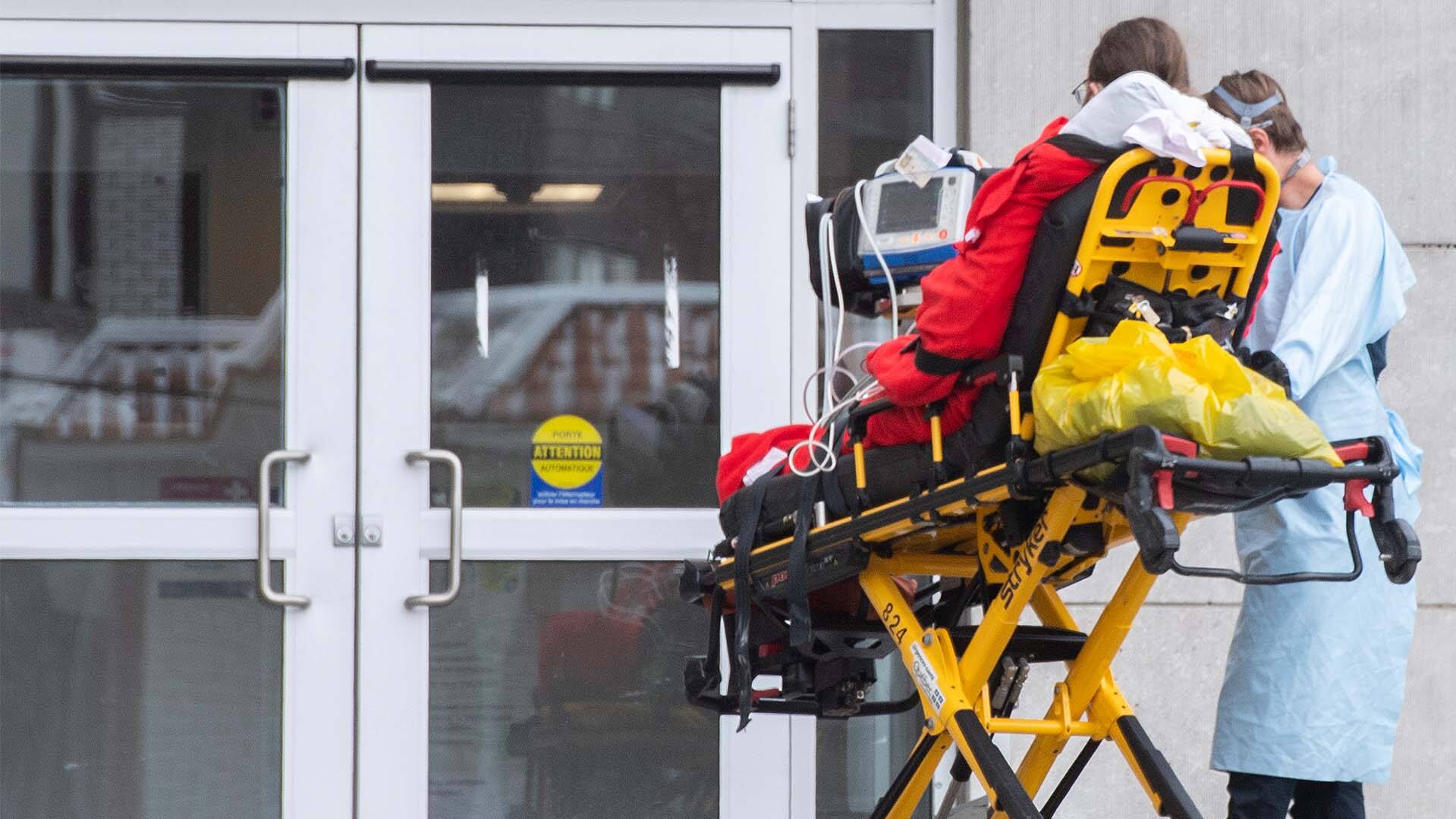
Medical workers are growing nervous as COVID-19-related hospitalizations rise, signalling a building Omicron wave. 3:12
In Quebec, the provincial government — after receiving backlash from pet owners — has updated its list of curfew exemptions to allow dog walking during hours when residents are otherwise expected to remain indoors.
In Ontario, Premier Doug Ford announced the province is moving schools online for at least two weeks and temporarily closing indoor dining and gyms as it faces record-high case counts and rising hospitalizations linked to the Omicron variant.
In the Atlantic region, Newfoundland and Labrador will be moving to a modified Alert Level 4 as the province reported 519 new cases on Monday — setting a new single-day record for the seventh straight day. In Nova Scotia, booster appointments for residents over the age of 30 opened on Monday.
In the North, residents in the N.W.T. capital in need of a COVID-19 test will be able to attend a walk-in clinic on Monday morning.
What’s happening around the world
As of Monday, roughly 289.4 million cases of COVID-19 had been reported worldwide, according to Johns Hopkins University’s coronavirus tracker. The reported global death toll stood at more than 5.4 million.
In Europe, the Italian government has set prices for the more protective Ffp2 masks at .75 euro cents ($1.08 Cdn) apiece now that they are required to access public transport, museums, cinemas and many other indoor activities.
In the Americas, the U.S. is expanding COVID-19 boosters as it confronts the Omicron surge, with the Food and Drug Administration allowing booster Pfizer-BioNTech shots for children as young as 12.
In Africa, Botswana’s President Mokgweetsi Masisi is in mandatory self-isolation after testing positive for COVID-19 in routine testing.

Follow Canada News Media
Get the day's top Canadian stories and our two daily 60-second news videos wherever you scroll.
X Threads Facebook Instagram LinkedIn TikTok YouTube Pinterest Reddit Substack Flipboard Newsletter RSS