



Accra, Ghana- The World Health Organization (WHO), has raised a new alarm over a new virus in Ghana called Marburg similar to the Ebola-like virus.
Marburg is a highly infectious viral hemorrhagic fever in the same family as the better-known Ebola virus disease and has a fatality ratio of up to 88 percent. The virus is transmitted to humans from fruit bats and can then be spread human to human through direct contact with the bodily fluids of infected people or surfaces and materials contaminated with these fluids.
The announcement comes after two unrelated patients from the southern Ashanti region of Ghana, both of whom later died, tested positive for the virus after their samples were sent to the Pasteur Institute in Senegal, which confirmed the diagnosis.
According to WHO, the patients had shown symptoms including diarrhea, fever, nausea, and vomiting. One of the patients was 26 years old and the other was 51.
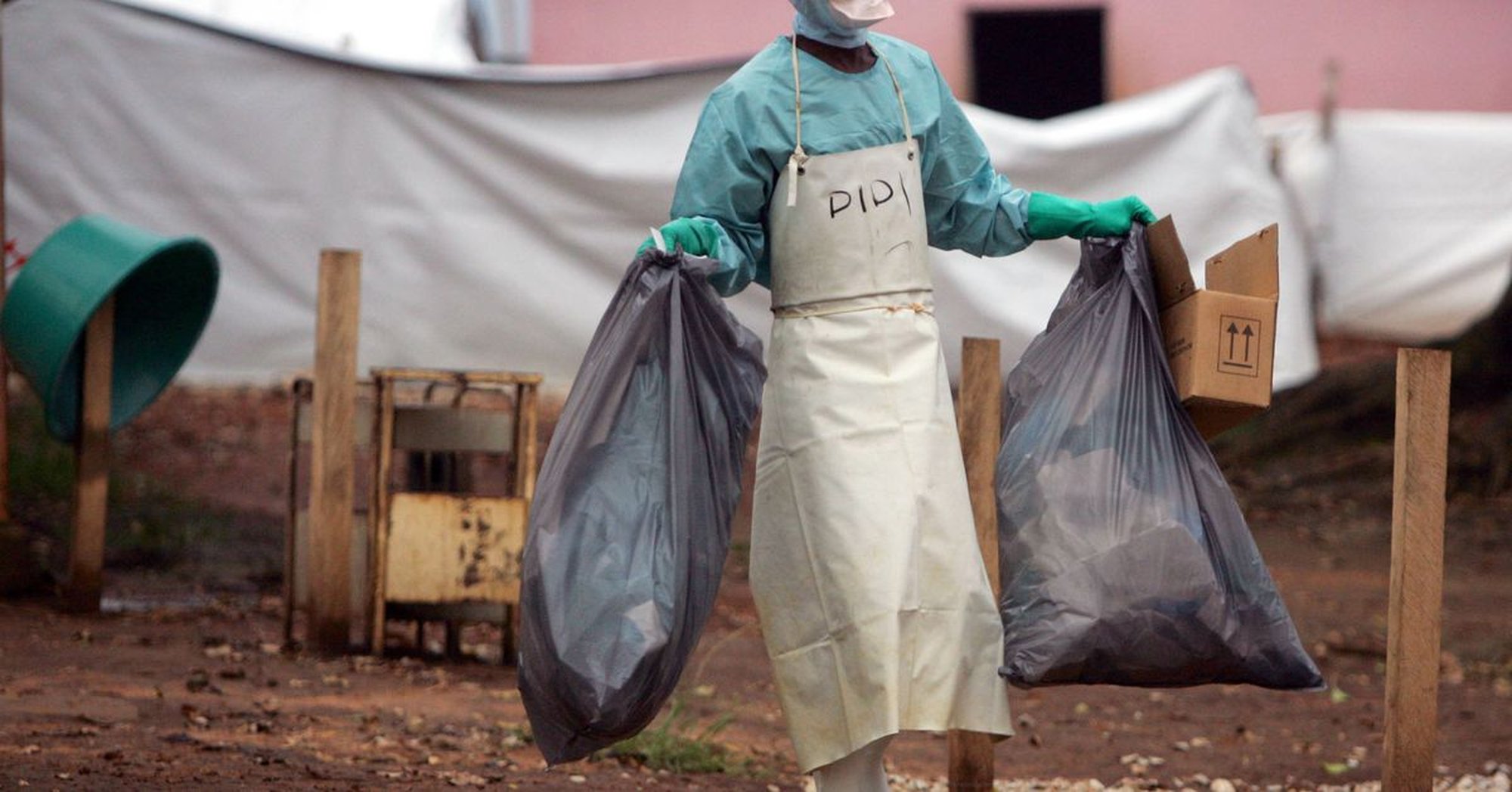
Now, more than 90 contacts of the two patients have been identified and are being monitored by both the WHO and regional health authorities. The global health agency says it is also assisting Ghana by providing protective equipment, bolstering disease surveillance, testing, tracing contacts and increasing public awareness of the risks and dangers of the disease.
“Health authorities have responded swiftly, getting a head start preparing for a possible outbreak. This is good because, without immediate and decisive action, Marburg can easily get out of hand. WHO is on the ground supporting health authorities and now that the outbreak is declared, we are marshalling more resources for the response,” said Dr. Matshidiso Moeti, WHO Regional Director for Africa.
Death most often happens on day eight or nine after symptoms, following severe blood loss and shock. Drugs and immune therapies to treat Marburg are being developed but there is not yet a vaccine, though early rehydration and treatment of symptoms can improve the chances of survival.
The Ghana Health Service has urged the Ghanaian public to avoid mines and caves occupied by fruit bats and to thoroughly cook all meat products before consumption, to help reduce the risk of spreading the virus. Fruit bats are natural hosts of the Marburg virus, the health service said. The Ghana outbreak is only the second in West Africa after Guinea detected the virus last year. The patient in the Guinea outbreak also died from the virus. No further cases were confirmed by Guinean health authorities.