



“This fall is going to be interesting,” says Alexander. “There is lots of speculation that this will be the last rate hike until the end of the year. If that is true, I think we’ll have a little bit slower… start to the fall than normal. But I think come early to mid-October, things will pick up in a big way.”
Adjustments in the stress test environment caused by the interest rate hikes have already reduced the borrowing power of consumers by about 8 to 9% this year. Elena Bogomaz, a mortgage agent and chartered professional accountant at Dominion Lending Centres has noticed buyers use a “wait and see approach” after witnessing the hike in July. While Bogomaz believes that September’s hike will also make buyers wary, she doesn’t think it will make them act as cautiously as they did in July.
“The market will slow down for a little bit, but after the shock is kind of observed, people who want to buy, they will buy,” she states.
Additionally, the new spike to the benchmark rate means that potential buyers will qualify for significantly lesser mortgage amounts. This drop will be about 20%, meaning that those who could have once received $500,000 will now get $400,000.
However, Bogomaz says that investors will be less affected by this shift. The main concern of traditional homebuyers is what they can afford. Therefore, the rate can determine whether or not they will decide to make a purchase. “But investors, they are just looking for the positive cash flow. Since the rental prices went up, investors are still finding cash-producing properties to purchase. So investors will be buying regardless.”
A Lack of Inventory Will Continue to Drive Prices
The GTA has historically had low inventory levels. To add fuel to the flames, the levels went down 5% from June to July. Despite the fact that August is experiencing an average level of activity, Alexander says we should take into consideration that elevated numbers of immigrants are escalating the need for housing. “We’ve got a tremendous amount of new Canadians coming every single year,” he says. “We had almost 20,000 in the first quarter alone and typically about 40% to 60% of those end up in the GTA. They’ll all need a place to live.”
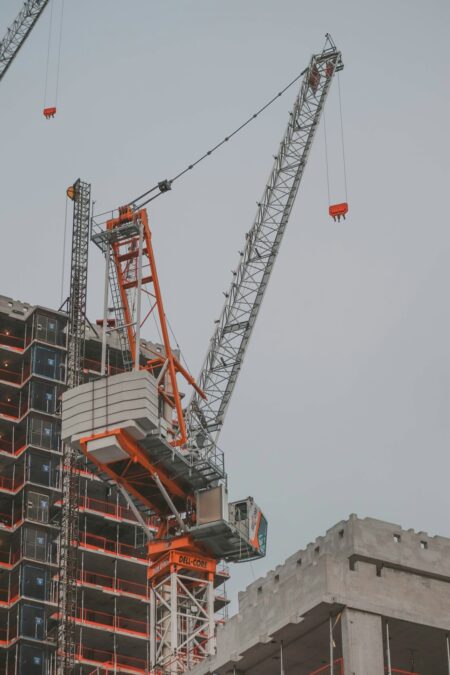
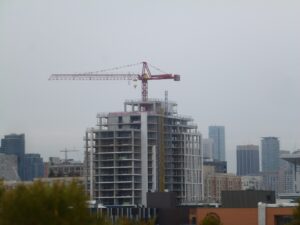
In Ontario, there is a current shortage of about 500,000 homes. Moreover, the province will need 1.5 million homes in the next decade to meet the growing demand. According to a report by the Smart Prosperity Institute, it’s unlikely that the construction sector is capable of achieving this tall order within such a short period of time.

Follow Canada News Media
Get the day's top Canadian stories and our two daily 60-second news videos wherever you scroll.
X Threads Facebook Instagram LinkedIn TikTok YouTube Pinterest Reddit Substack Flipboard Newsletter RSS