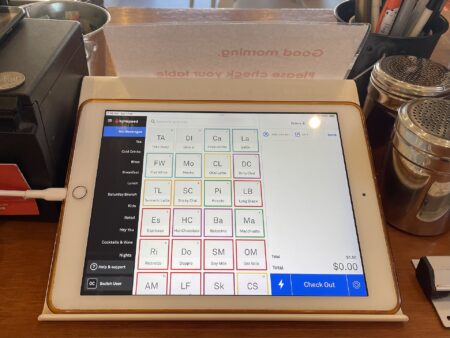



Two and a half months ago, Shopify Inc. president Harley Finkelstein said the company wasn’t planning any more layoffs after slashing 10 per cent of its workforce the previous summer. Yet, following first-quarter earnings on May 4, Shopify announced it was cutting 20 per cent, or more than 2,000, staffers as it sheds a strategic part of the business once meant to expand the company beyond digital e-commerce products.
What happened?
On May 4, Shopify released first-quarter financials that showed the company earned $1.5 billion in revenue for the period ending March 31. The company beat analyst consensus on its revenue by 5.1 per cent, ATB Capital Markets Inc. analyst Martin Toner said in a note to clients.

In a separate letter, linked to the financials report, Shopify chief executive Tobias Lütke announced more layoffs and the sale of its logistics unit to Flexport Inc., a supply chain management and logistics company based in San Francisco. “After today Shopify will be smaller by about 20 per cent and Flexport will buy Shopify Logistics; this means some of you will leave Shopify today,” he said.
Shopify’s e-commerce focus
Shopify leadership said following the first-round of layoffs that the reductions would help the company refocus on e-commerce. Since those cuts, Shopify has announced new partnerships, a flurry of product and software updates for customers and a significantly higher pricing plan. It also purchased a logistics company, Deliverr Inc., for US$2.1 billion last July, in a bid to build a fulfilment business internally, part of a renewed strategic plan to get into the delivery space, much like Amazon.com Inc. The deal came just weeks before Shopify announced it would lay off around 1,000 staffers.
Shopify began building its logistics business in 2019, calling it Shopify Fulfillment Network. In the company’s management discussion and analysis (MD&A) for its fourth quarter, ended Dec. 31, Shopify said it expected to continue investing in the logistics arm of the business, but it identified its ability to “successfully scale, optimize and operate Shopify Fulfillment Network” as a risk factor.
Shopify’s performance
Shopify is one of the biggest technology companies to come out of Canada. In its latest earnings, the company reported gross merchandise volume was up 15 per cent year over year at $49.6 billion. In other words, it handled more than $49-billion worth of goods on its online platform, which allows business owners and companies to host their e-commerce business.
In 2020 Shopify became Canada’s most valuable company by market cap, overtaking Royal Bank of Canada. In November 2021, its share price peaked about $200, before bottoming out in October 2022, around $35 as it became evident e-commerce was losing its lustre.
In July, Lütke said the company made a bet at the height of COVID-19 that e-commerce would take off. “It’s now clear that bet didn’t pay off,” he wrote in an email to staffers, published online.
Investors happy
Investors have responded positively to the news, Toner said.
“The headcount reductions have positive implications for their path to profitability,” he said. ” (In) the fulfilment effort, there was a lot of opportunity but there was a lot of risk. And I suspect investors would prefer that Shopify pursue delivering fulfilment solutions to their merchants in this lower risk way.”
Shopify shares closed the day at $77.65 in Toronto May 4, up more than 23 per cent from the previous market close.
By early afternoon, shares of Shopify climbed more than 22 per cent. The stock price was $77.46 as of 1:22 p.m. in Toronto.
With additional reporting from Bloomberg and Reuters

Follow Canada News Media
Get the day's top Canadian stories and our two daily 60-second news videos wherever you scroll.
X Threads Facebook Instagram LinkedIn TikTok YouTube Pinterest Reddit Substack Flipboard Newsletter RSS