


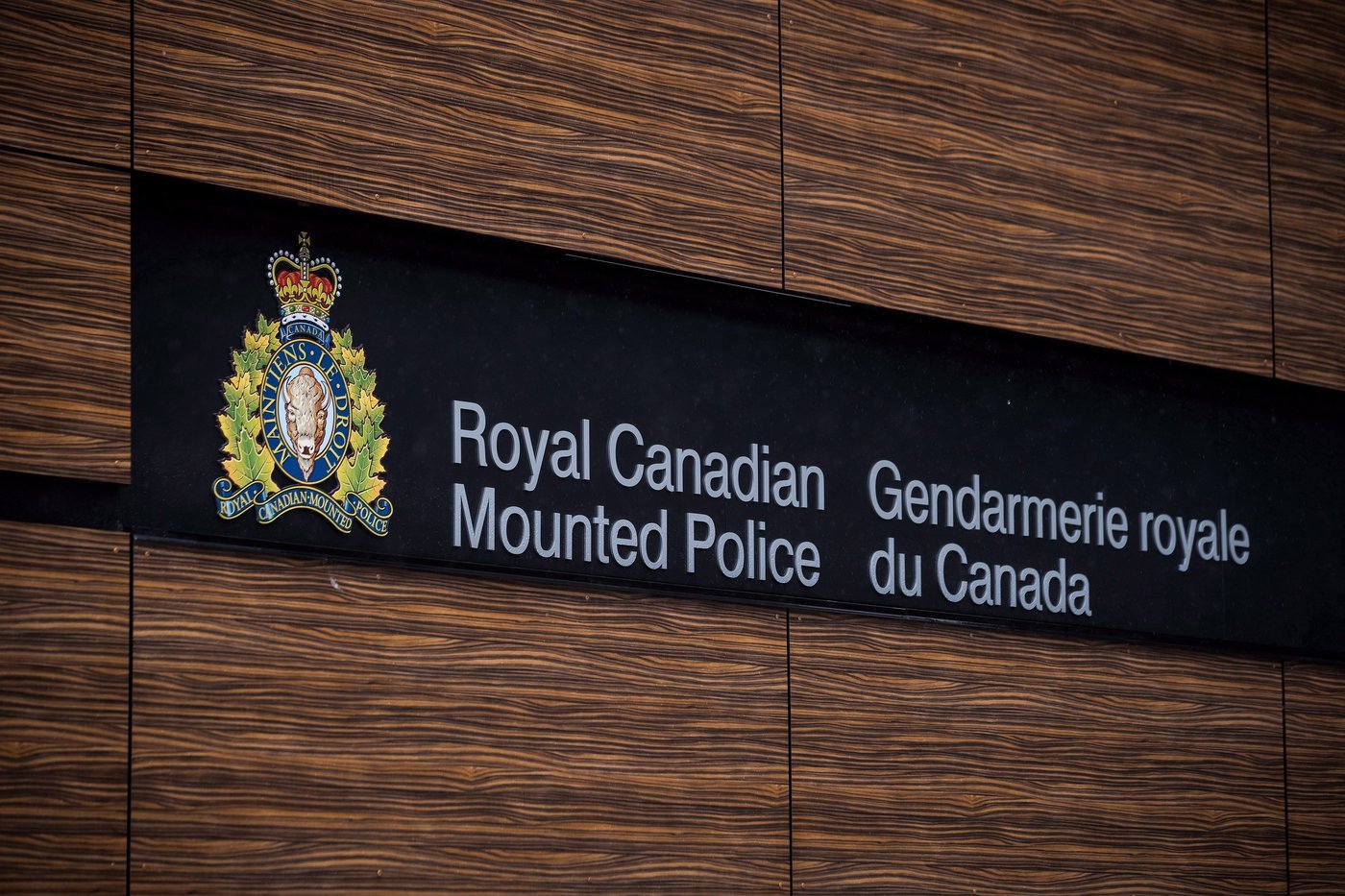
The Royal Canadian Mounted Police (RCMP) plays a critical role in maintaining law and order across Canada. However, recent incidents have shed light on concerns surrounding the treatment of Black individuals by RCMP officers. In this thought-provoking research, we delve into the experiences and perspectives of community members, activists, and experts to uncover the reality of RCMP interactions with Black people. Through their stories, insights, and calls for change, we aim to foster a deeper understanding of the challenges faced by Black individuals in their encounters with law enforcement.
To comprehend the reality of RCMP treatment towards Black individuals, it is essential to listen to their experiences. Sarah Davis, a racial justice advocate, shares, “Black individuals often feel targeted and disproportionately subjected to aggressive tactics, racial profiling, and systemic bias during interactions with RCMP officers.”
Statistics can provide further insights into the issue at hand. Data from the Office of the Police Complaint Commissioner reveals disparities in the treatment of Black individuals compared to their white counterparts. Mark Thompson, a community organizer, points out, “The overrepresentation of Black people in encounters with the RCMP raises serious concerns and demands a thorough examination of systemic issues.”
Calls for accountability and police reform are growing louder. Sandra Collins, an activist, emphasizes the need for transparency and independent oversight of RCMP actions, stating, “We must hold officers accountable for their actions, address systemic biases, and work towards comprehensive reform to ensure fair treatment of Black individuals.”
Building trust between the RCMP and Black communities is crucial for effective policing. Mary Johnson, a community leader, highlights the importance of community engagement and dialogue, stating, “Meaningful relationships and collaboration between the RCMP and Black communities can foster trust, understanding, and better outcomes.”
Improving RCMP training programs and enhancing cultural competency is essential to address biases and prejudices. Jamal Carter, a diversity educator, emphasizes, “Training should focus on dismantling stereotypes, promoting de-escalation techniques, and fostering an understanding of the diverse communities the RCMP serves.”
To address the systemic issues within the RCMP, collaborative efforts are required. Sarah Johnson, a reconciliation advocate, highlights the importance of engaging with Indigenous communities and Black-led organizations to develop inclusive policies and practices. “Reconciliation involves acknowledging past injustices, listening to communities, and actively working towards meaningful change,” she states.
The treatment of Black individuals by the RCMP is an ongoing concern that requires immediate attention. By listening to the stories and perspectives of those affected, we can gain a deeper understanding of the challenges they face. It is crucial for the RCMP to prioritize accountability, engage in community dialogue, and implement comprehensive reforms to address systemic biases. As Sarah Davis aptly concludes, “We must strive for a future where Black individuals can feel safe, respected, and protected by the very institutions that are meant to serve and safeguard all Canadians.” By shedding light on the issue, we hope to inspire a national conversation that leads to meaningful change and ensures equitable treatment for all individuals, regardless of their race or ethnicity.