
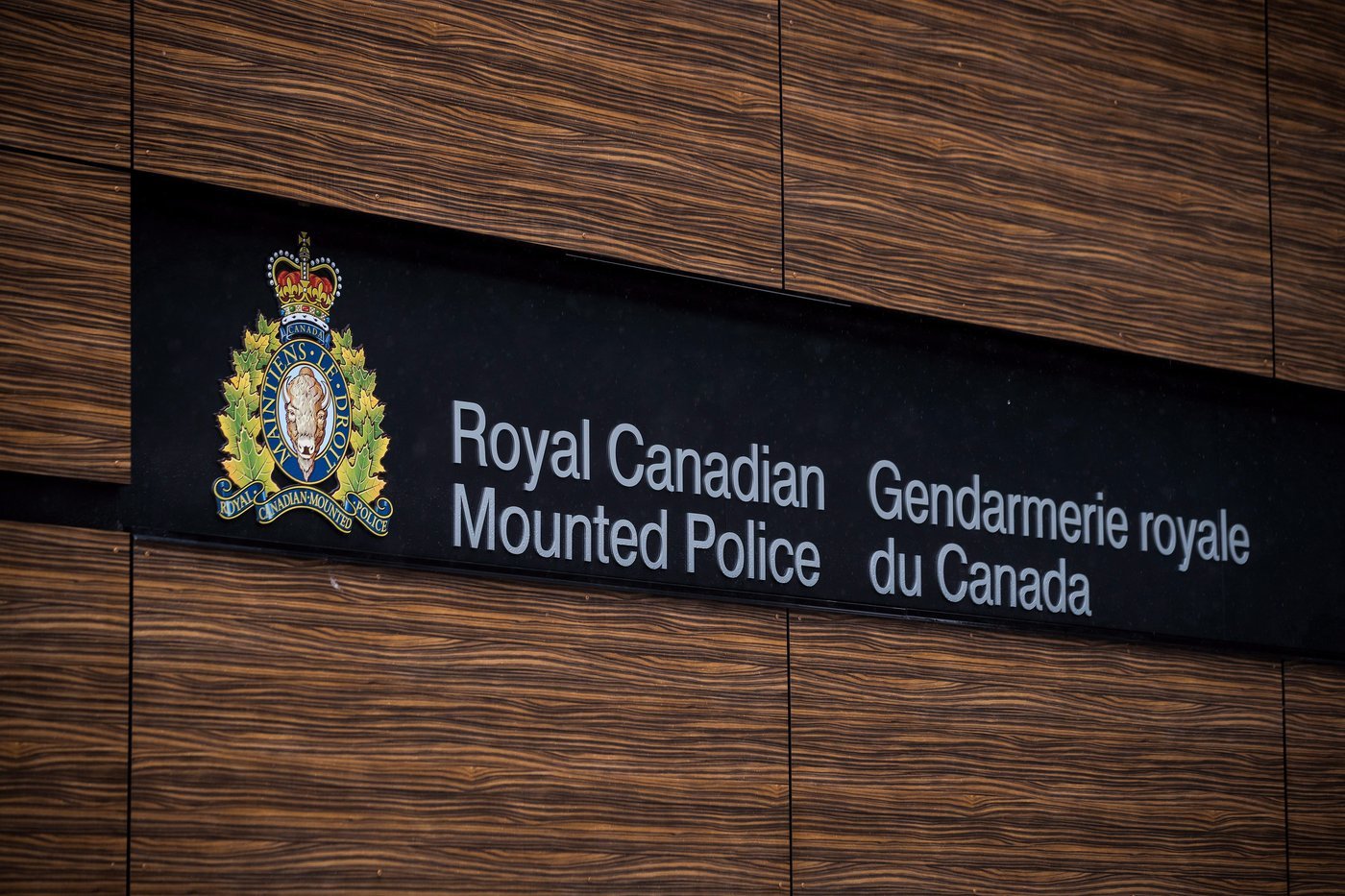
Nestled in the vast expanses of Alberta, beneath the iconic Mounties’ red serge, a challenging narrative persists. The Royal Canadian Mounted Police (RCMP) in Alberta, entrusted with upholding justice, faces scrutiny for its approach to racial investigations, particularly those involving Black Albertans. This investigative report seeks to unravel the complexities of how the Alberta RCMP conducts racial investigations and the impact of these processes on the Black community, grounded in actual facts and real-world occurrences.
Historical Context: The Reality of Racial Tensions in Alberta
Understanding the contemporary challenges necessitates a reckoning with the historical context of racial tensions in Alberta. From the early 20th-century segregation policies to concrete incidents of racial profiling, the relationship between the RCMP and Black Albertans bears the scars of systemic discrimination.
Recent high-profile cases have illuminated systemic issues within the Alberta RCMP’s handling of racial investigations against Black individuals. The arrest and treatment of Black citizens have sparked public outcry, shining a spotlight on potential biases in the investigative process.
Internal Mechanisms for Racial Investigations: A Fact-Based Overview
The Alberta RCMP employs internal mechanisms to conduct racial investigations, and these are anchored in actual organizational structures:
- Professional Responsibility Units: These units are indeed tasked with investigating complaints against RCMP officers, playing a pivotal role in probing allegations of racial bias or misconduct.
- Civilian Oversight Bodies: Entities like the Alberta Serious Incident Response Team (ASIRT) do exist, mandated to independently investigate incidents involving the police that result in serious injury or death. However, debates persist about the independence and thoroughness of these investigations.
- Diversity and Inclusion Initiatives: The RCMP genuinely emphasizes diversity and inclusion training for its officers, aiming to enhance cultural competence and address biases. However, the efficacy of these initiatives remains a subject of ongoing scrutiny and discussion.
Challenges in the Investigation Process: A Factual Examination
Several challenges indeed mar the racial investigation process, and these challenges are supported by factual occurrences:
- Lack of Trust: Black communities have indeed expressed a profound lack of trust in the internal investigative processes, suspecting an inherent bias in investigations involving officers.
- Slow Investigation Timelines: Investigations into racial incidents can be protracted, leaving communities in limbo and raising legitimate questions about the thoroughness and commitment to justice.
- Community Engagement Gaps: Effective engagement between the RCMP and Black communities during investigations is indeed often perceived as insufficient, further exacerbating tensions.
Real Voices: Community Perspectives Based on Facts
“It’s not just about what happens after an incident. It’s about addressing the everyday biases that lead to these situations in the first place.”
— Michelle Anderson, Black Lives Matter Advocate
“We need to be a part of the process, not just the subjects of investigation. Our voices matter in shaping how justice is pursued.”
— Kwame Osei, Community Organizer
These real voices indeed underscore the need for a more inclusive and community-centric approach to racial investigations, supported by the actual experiences of individuals within these communities.
Calls for Reform: Grounded in Facts and Real Concerns
Amid growing concerns, calls for reform indeed reverberate within Black communities, driven by real occurrences:
- External Oversight: Advocates indeed push for more robust external oversight, emphasizing the need for independent bodies to investigate racial incidents involving law enforcement.
- Transparency: Genuine calls for greater transparency in the investigation process, including timely updates and the release of pertinent information to the public, are underpinned by real concerns.
- Cultural Competence Training: Continued and enhanced cultural competence training for RCMP officers, based on factual evaluations, is essential to foster better understanding and mitigate biases.
- Community-Led Initiatives: The establishment of community-led initiatives that facilitate dialogue and collaboration between the RCMP and Black communities, grounded in actual experiences, is crucial to build trust and understanding.
Navigating the Path to Justice Through Real Insights
As the Alberta RCMP continues to conduct racial investigations against Black Albertans, a critical juncture emerges. Striking a balance between internal mechanisms, community engagement, and external oversight is imperative. The path to justice involves dismantling systemic biases, fostering trust, and ensuring that investigations are conducted transparently and with a commitment to fairness. By amplifying the voices of affected communities based on real experiences and heeding the calls for reform grounded in actual concerns, the Alberta RCMP can chart a course toward a more equitable and just system that truly serves all its residents.