



One of the strongest arguments in favour of the CPP is just how much success has been borne of its strategy of pursuing the highest return
In the infamous interrogation scene between Joker and Batman in the film The Dark Knight, there’s a memorable line as the villain reacts incredulously to an accusation that he wishes death upon the hero. “I don’t want to kill you,” he declares. “What would I do without you?”
Not to imply that there are necessarily heroes and villains in Canadian politics, but there are certainly examples of symbiotic relationships between arch-rivals (even if the participants are far less candid about it). Case in point: Justin Trudeau and Danielle Smith.
We saw earlier this year how the awkward rollout of the “Just Transition” proved to be a political gift to the UCP just as they were heading into an election campaign. And now as the UCP’s push for leaving the Canada Pension Plan (CPP) seems to be faltering, it’s Trudeau to the rescue once again.
Unlike the campaigns against various other federal policies, it’s proven much more difficult to link the CPP to Trudeau. Albertans may not trust Trudeau, but they understand that he’s not the one making investment decisions for the CPP. Or, he shouldn’t be.
Enter last week’s Fall Economic Statement. Lost amid the coverage of the considerable federal deficit and the various spending announcements was a curious statement of intent with regard to the CPP.
The economic statement proposes to pull the CPP away from its current mandate of prioritizing the best return on its investments. Instead, the government now hopes to nudge the CPP toward making more investments in Canada.
If there are excellent investment opportunities to be had in Canada, then the CPP Investment Board would hardly need direction from the federal government. If the government is simply intending to increase Canada’s investment attractiveness, then there’s no reason to link that specifically to pension funds.
It’s much more likely that this federal involvement would have a heavy political bent to it, with these “investment opportunities” conveniently lining up with pet projects, favoured industries, and strategically valuable regions.
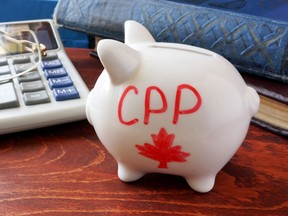
This should be of concern to all Canadians, not just Albertans. One of the strongest arguments in favour of the CPP is just how much success has been borne of its strategy of pursuing the highest return.
But if that’s no longer going to be the strategy, then Albertans might start to think differently about this whole issue. There’s an understandable attachment to the idea of an independent CPP with a sterling investment track record. Conversely, there’s bound to be a considerable amount of unease with the idea of CPP assets becoming some sort of political slush fund.
It’s very much on brand that this prime minister would give a boost to the forces in Alberta that wish to leave the CPP while at the same time making it known that he does not wish to see Alberta leave.
Mind you, the premier herself has mused about her government having a say in the investments of an Alberta Pension Plan, so the inevitable attacks on the new federal policy might be coated in some hypocrisy.
The prime minister surely knows the stakes of Alberta exiting the CPP. Why they would choose now to consider meddling with the CPP is truly baffling. It’s extremely unlikely that this was meant as a lifeline to the UCP’s floundering efforts, but that will almost surely be the end result.
“Afternoons with Rob Breakenridge” airs weekdays 12:30-3 p.m. on QR Calgary


