

Toronto, Canada – On a chilly evening in Toronto, Maya Chen, a 19-year-old University of Toronto sophomore, sips her coffee in a bustling café. She’s meeting to discuss a topic that resonates deeply with her and her peers: the intricate and evolving landscape of racism in Canada. “Racism isn’t just an abstract concept for us; it’s something we live with, understand, and are fighting against every day,” she says. Maya, like many in Generation Z, is at the forefront of a new era of awareness and activism against racism in Canada.
A Complex Legacy
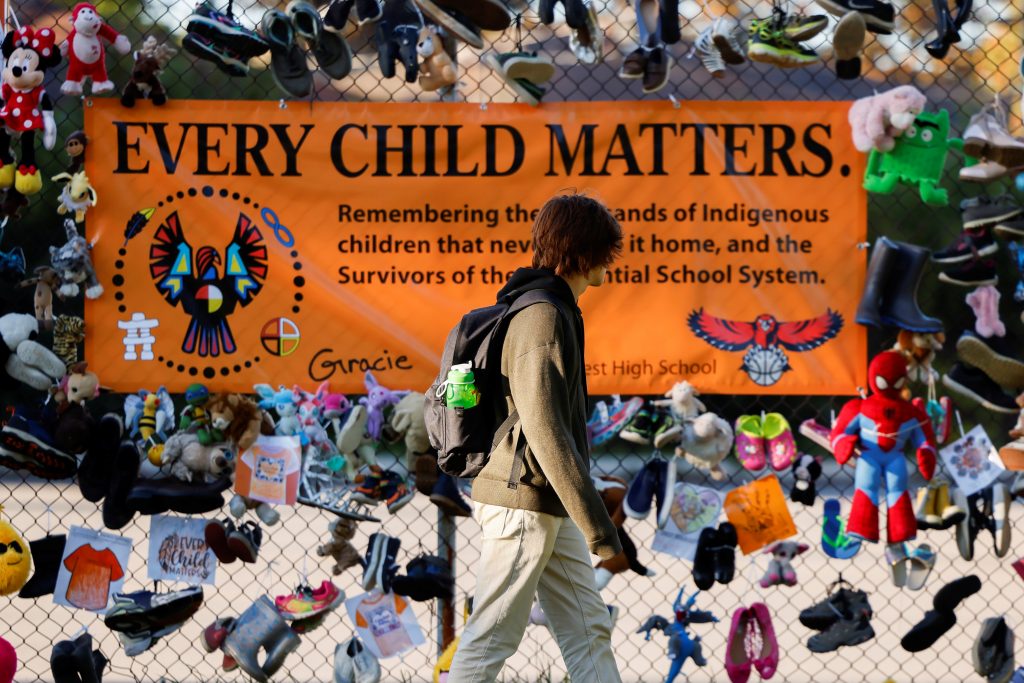
Canada’s history with racism spans centuries, marked by Indigenous displacements, systemic inequalities, and racial segregation. However, the country’s approach to these issues has evolved, with greater acknowledgment and openness about past and present racial issues. This changing landscape forms the backdrop against which Generation Z has grown up.
Defining Generation Z
Generation Z, those born between 1997 and 2012, is the most ethnically diverse generation in Canadian history. According to a survey by Statistics Canada, this diversity has cultivated a broad awareness of racial issues among Gen Z youth. Their attitudes toward racism contrast sharply with previous generations, focusing more on systemic change and diversity celebration than merely acknowledging racial issues.
The Digital Generation
For Gen Z, social media isn’t just a platform for connection; it’s a tool for change. Platforms like Instagram and TikTok serve as hubs for sharing experiences and mobilizing activism. However, the digital world is a double-edged sword, offering both a means to spread awareness and a venue for misinformation and harassment.
Personal Narratives
The story of Sarah Ali, a 21-year-old of Pakistani descent, reflects the subtle but pervasive nature of racism that Gen Z faces. Experiences like being asked about her “real” origin highlight the everyday racism that Gen Z is determined to challenge. These narratives are crucial in understanding the nuanced ways in which racism affects this generation.
Active Change-Makers
Gen Z’s activism isn’t limited to online spaces. They’re organizing protests, participating in policy discussions, and advocating for tangible changes in their communities and institutions. They aim to redefine what it means to be anti-racist, moving beyond awareness to active change.
Navigating Criticism
This activism, however, faces criticism. Some view their methods as performative or overly reliant on digital platforms. Furthermore, bridging the generational gap in understanding and approach to racism presents its own set of challenges.
The Road Ahead
Despite these challenges, Gen Z remains optimistic. “We’re not just fighting for now; we’re shaping the future,” Maya asserts. This sentiment echoes among her peers, who see their fight against racism as part of a larger journey towards a more inclusive and understanding Canada.
Broader Implications
The implications of Gen Z’s stance on racism extend beyond immediate social change. They are redefining workplace cultures, educational curricula, and political discourse. Their inclusive and systemic approach to tackling racism is setting new standards for what it means to be a multicultural society.
The Global Context
Gen Z’s fight against racism in Canada is also influenced by global movements. The Black Lives Matter movement, for instance, has had a significant impact, resonating with Canadian youth and inspiring a more unified global youth movement against racial injustice.
As the evening winds down, Maya reflects on the journey ahead. “Our fight against racism is a marathon, not a sprint. But it’s a marathon we are committed to running.” This sentiment captures the essence of Generation Z’s approach to racism in Canada – a blend of hope, determination, and a vision for a more inclusive future.