




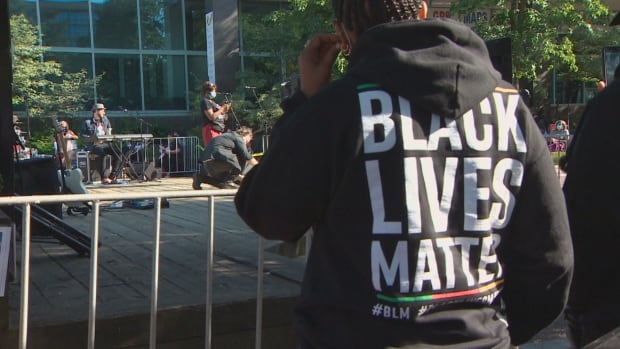
In the mosaic of Canada’s diverse social fabric, the echoes of the Black Lives Matter (BLM) movement reverberate far beyond the immediate protests and headlines. Originating in the United States, BLM transcended borders, taking root in Canada and sparking crucial conversations about systemic racism, police brutality, and the urgent need for social change. As we navigate the landscape today, it’s essential to explore the enduring legacy of Black Lives Matter in Canada.
Origins and Impact: The Spark that Ignited a Movement
The roots of Black Lives Matter Canada trace back to the global outcry following the tragic death of George Floyd in the United States. The visceral reaction to this injustice resonated on a profound level, acting as a catalyst for renewed discussions about racial inequality within Canada’s borders.
1. The Resonance of Global Movements:
- The protests and demonstrations that erupted globally found a powerful resonance in Canada. Cities from coast to coast saw citizens marching in solidarity, demanding justice not only for George Floyd but also for countless Black lives affected by systemic racism in the Canadian context.
2. Beyond Police Brutality:
- While police brutality was a central focus, the Canadian expression of BLM broadened the conversation to encompass systemic issues affecting Black communities. It highlighted disparities in education, employment, healthcare, and other sectors where racial inequalities persist.
Evolution of Conversations: From Awareness to Action
As the initial fervor subsided, the legacy of Black Lives Matter in Canada evolved beyond being a momentary flashpoint. The movement spurred a paradigm shift in societal conversations and prompted individuals, institutions, and policymakers to reflect on the structures that perpetuate racial injustice.
1. Diverse Perspectives in Media:
- The movement challenged media outlets to reassess their representation of Black stories and perspectives. There was a push for more nuanced narratives, a departure from stereotypes, and increased visibility for Black voices in the media landscape.
2. Corporate and Institutional Responses:
- Corporations and institutions faced calls for greater accountability. Many responded by reassessing internal practices, adopting diversity and inclusion initiatives, and reevaluating their roles in perpetuating or challenging systemic racism.
Policy Changes: Turning Demands into Action
One of the tangible impacts of the Black Lives Matter movement in Canada has been its influence on policy changes at various levels of government. Advocacy for reform and calls for systemic change have found resonance in legislative discussions.
1. Police Reform Initiatives:
- Calls for reimagining public safety and holding law enforcement accountable have led to concrete changes in some police departments. Conversations about demilitarization, community policing, and increased transparency are ongoing.
2. Educational Reforms:
- The movement has spurred initiatives to revise curricula, with a focus on incorporating a more comprehensive and accurate portrayal of Canadian history, including the contributions and struggles of Black Canadians.
Empowerment of Black Voices: Fostering Community-Led Change
Beyond legislative and institutional changes, the Black Lives Matter movement in Canada has empowered individuals and communities to take charge of their narratives and actively participate in the push for change.
1. Grassroots Activism:
- Grassroots initiatives, often spearheaded by community leaders and activists, continue to address the specific challenges faced by Black communities. From mentorship programs to economic empowerment projects, these initiatives aim to effect change at the local level.
2. Youth-Led Movements:
- The legacy of BLM is particularly visible in the activism of young Canadians. Youth-led organizations and movements are driving conversations around racial justice, diversity, and inclusion, ensuring that the momentum continues into the future.
Challenges and Opportunities: Navigating the Road Ahead
While the legacy of Black Lives Matter in Canada is undeniably impactful, challenges persist. Navigating the road ahead involves addressing the systemic issues deeply entrenched in Canadian society and ensuring that the momentum translates into sustained, transformative change.
1. Addressing Systemic Racism:
- The movement has highlighted the need for a comprehensive approach to address systemic racism in all its manifestations. Advocates argue for policy changes, not just in response to specific incidents but as part of a broader commitment to equity.
2. Economic Empowerment:
- Disparities in economic opportunities persist, and addressing these inequalities is a crucial aspect of the ongoing fight for racial justice. Initiatives promoting economic empowerment within Black communities can contribute to sustainable change.
The Unfinished Journey
As we reflect on the legacy of Black Lives Matter in Canada, it’s evident that the movement is not confined to a historical moment but represents an ongoing journey. The collective demand for justice and equality, amplified by the movement, continues to shape conversations, policies, and the very fabric of Canadian society.
The enduring legacy of Black Lives Matter lies not only in the changes already achieved but in the commitment to an unfinished journey. It serves as a reminder that the fight against systemic racism requires sustained effort, collective engagement, and an unwavering commitment to building a Canada where the principles of justice, equality, and respect for all are not just aspirations but fundamental realities. The legacy lives on, urging us to continue the march toward a more equitable future.
Follow Canada News Media
Get the day's top Canadian stories and our two daily 60-second news videos wherever you scroll.
X Threads Facebook Instagram LinkedIn TikTok YouTube Pinterest Reddit Substack Flipboard Newsletter RSS