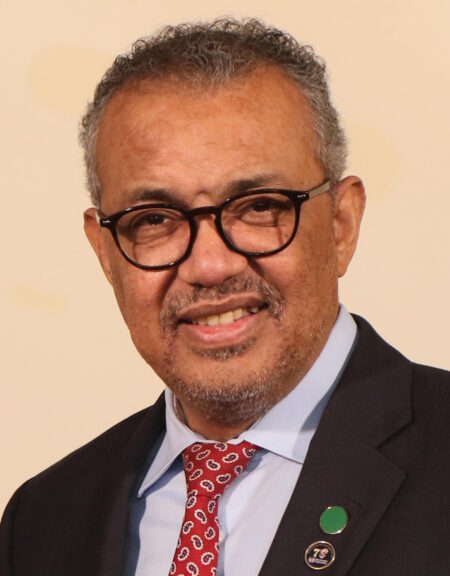

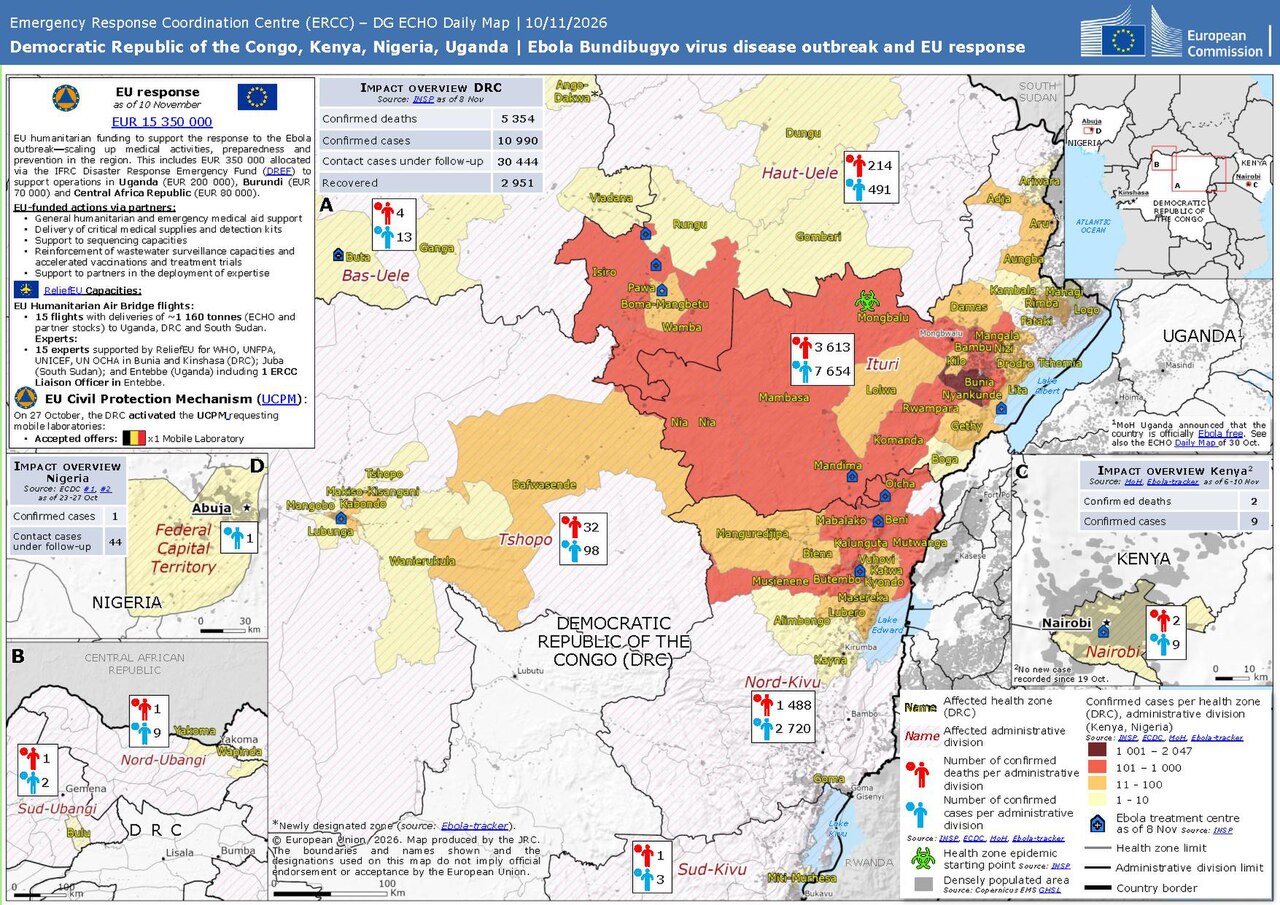
Violence against health workers and communities has become one of the greatest obstacles to ending the Ebola outbreak in the Democratic Republic of the Congo, World Health Organization Director-General Tedros Adhanom Ghebreyesus told member countries on Wednesday.
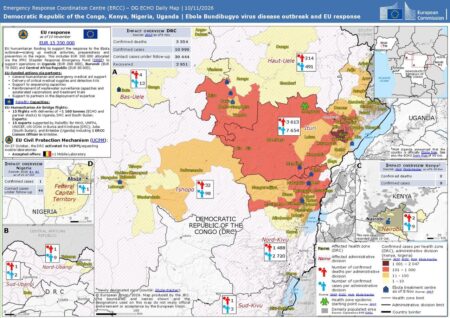
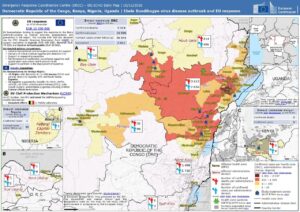
Tedros said almost 11,000 confirmed cases and more than 5,300 deaths have now been reported across eight provinces, up from the 5,198 deaths we reported earlier this week. Almost 3,000 people have recovered, and he said there are encouraging signs that transmission is slowing in some areas. “We cannot mistake progress in some places for control of the outbreak as a whole,” he said, noting that new hotspots continue to emerge.
He described an attack on the town of Cantine-Aloya last week in which 66 civilians were killed, including three health workers, and three health facilities were looted and burned. More than 1,000 people who had been in contact with Ebola patients were lost to follow-up, and three confirmed cases are unaccounted for. Two weeks earlier, a nurse was killed and another health worker badly injured while responding to an Ebola alert in Tshopo province. Tedros also listed a grenade found near a health zone office, gunfire near a treatment centre, an arson attempt on another centre and stones thrown at a burial team’s vehicle.
He warned that late pay for frontline workers risks strikes and community tension, and said the response “is still not at the scale required” to find, isolate and treat every case.
On vaccines, Tedros said a trial of the Ervebo vaccine began last month and WHO expert groups have recommended adding two candidates developed specifically for the Bundibugyo virus behind this outbreak. He stressed that vaccines do not replace early care, contact tracing, isolation and safe burials.
Outside Congo, Kenya discharged its final patient on Wednesday and began the 42-day countdown to being declared Ebola-free, after nine cases, including two deaths, linked to an imported case. Nigeria has reported one imported case, a Swiss citizen who was evacuated to Switzerland with their spouse. Tedros again urged countries with blanket travel restrictions to lift them, saying they discourage countries from reporting outbreaks quickly.
Congo’s government has extended its national response plan through January 2027. Tedros asked member states to press for safe humanitarian access, fund the scale-up, make sure frontline workers are paid on time and keep other health services running alongside the Ebola response.
The call on travel restrictions bears on Canada. The Public Health Agency of Canada’s travel health notice for Congo, last updated Nov. 2, advises against non-essential travel, and temporary orders under the Quarantine Act, extended to Nov. 27, bar foreign nationals who have been in Congo in the previous 21 days from entering the country.
Follow Canada News Media
Get the day's top Canadian stories and our two daily 60-second news videos wherever you scroll.
X Threads Facebook Instagram LinkedIn TikTok YouTube Pinterest Reddit Substack Flipboard Newsletter RSS