

Prime Minister Mark Carney said Saturday that Canada and the United States are making progress toward a bilateral trade deal, but that the two countries are “not yet there.”
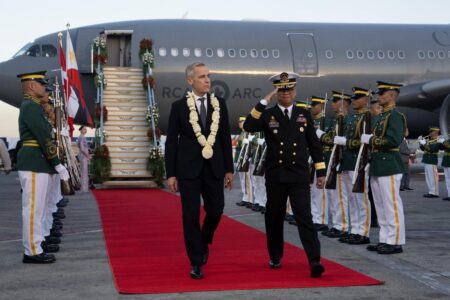
Carney spoke to reporters in Manila, where he is attending a summit of the Association of Southeast Asian Nations (ASEAN). He said he had a “long, substantive” conversation with U.S. President Donald Trump just before leaving on his trip to Europe and Asia, according to reporting by The Associated Press and CTV News.
“We are making progress. There is the possibility of a deal, a bilateral deal. But we’re not yet there,” Carney said.
The Associated Press reported that U.S. Trade Representative Jamieson Greer and Stephen Miller, Trump’s new White House chief of staff, also took part in the call. Greer told reporters earlier this week that the two countries had spoken “in the past few days” on trade, as we reported on Nov. 12.
Carney said Canada will not accept a deal that undermines its auto industry, which has been hit hard by U.S. tariffs. CTV News reported that protections for the auto sector remain the main unresolved issue.
Canada suspended trade negotiations in August after what Ottawa considered unacceptable last-minute U.S. demands, the AP reported. Washington then imposed 50 per cent tariffs on about $20 billion in Canadian goods, and Canada retaliated in September. The two sides have since resumed talks.
Trump said before the U.S. midterm elections that the countries were “very close” to an agreement. Carney has said Washington backed away from demands involving Canadian culture, French-language protections and Canada’s ability to negotiate other trade deals. Carney said last week that he welcomed any U.S. move to restore free trade.
The talks now unfold in a changed U.S. political landscape. Tariffs were an issue in the midterms, and Democrats, who won control of the Senate, blamed them for higher prices and pledged to challenge them. The AP reported that this leaves Canada weighing whether to accept a deal that lowers some tariffs but leaves others in place, or to hold out for free trade while Congress prepares its own challenge. A deal could reduce tariffs on key sectors, including steel and aluminum, the AP said.
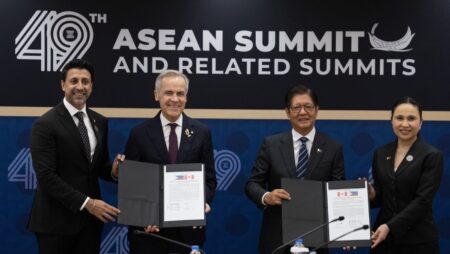
The comments came as Carney announced that Canada has substantially concluded free-trade negotiations with ASEAN, a bloc of nearly 700 million people, and completed separate talks with the Philippines. Carney arrived in Manila on Friday seeking those agreements.
The federal government estimates the ASEAN agreement could add nearly $2 billion to the Canadian economy and create almost 14,000 jobs, mainly in agriculture and manufacturing. The Philippines agreement covers more than 90 per cent of tariff lines, Carney said, and the government says it could help triple Canadian exports to the Philippines by 2035. Officials hope to sign both agreements next year.
Carney has made doubling Canadian exports to countries other than the U.S. by 2035 a central goal. After the ASEAN summit he is expected to attend the Francophonie summit in Cambodia and the Asia-Pacific Economic Cooperation summit in China, where he is scheduled to meet President Xi Jinping.
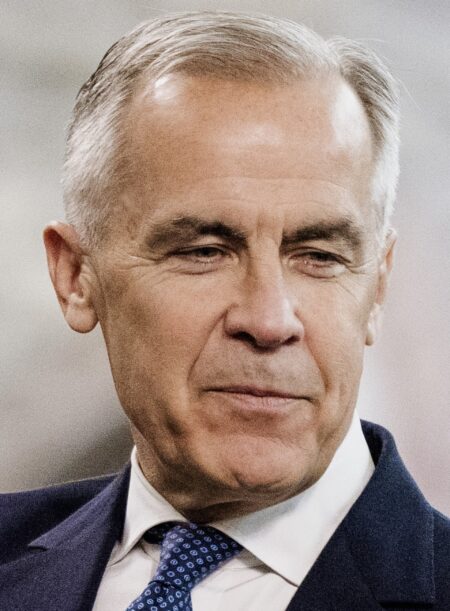
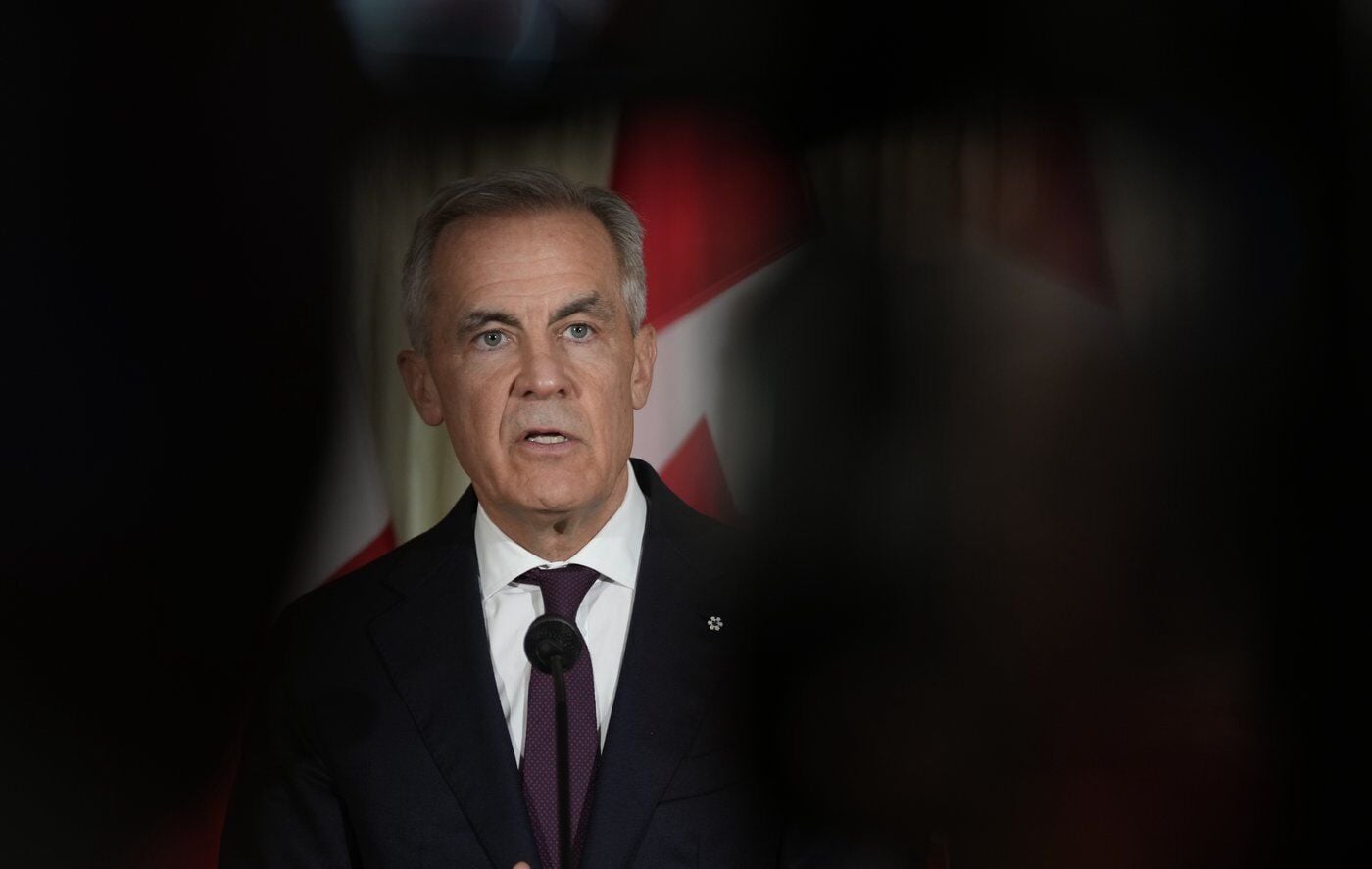
Prime Minister Mark Carney speaks with media during a news conference in Manila on Saturday, Nov. 14, 2026. THE CANADIAN PRESS/Adrian Wyld
If you find reporting like this useful, consider supporting Canada News Media, an independently owned Canadian newsroom.
Sources: The Associated Press, CTV News.
Follow Canada News Media
Get the day's top Canadian stories and our two daily 60-second news videos wherever you scroll.
X Threads Facebook Instagram LinkedIn TikTok YouTube Pinterest Reddit Substack Flipboard Newsletter RSS