



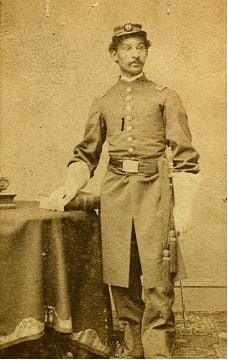
In the annals of Canadian history, Dr. Anderson Abbott stands as a trailblazer, a pioneer whose journey exemplifies resilience, excellence, and a commitment to breaking down barriers. Born in 1837, Abbott’s life was marked by numerous firsts, making him the first Canadian-born Black doctor and a key figure in shaping the landscape of Canadian medicine.
Early Life and Education
Anderson Ruffin Abbott was born in Toronto to Wilson Ruffin Abbott and Ellen Toyer. His early education took place at Toronto’s integrated schools, providing a foundation for his future academic pursuits. Abbott’s desire to pursue medicine led him to the Toronto School of Medicine, where he embarked on a journey that would redefine the possibilities for Black Canadians in the medical field.
A Trailblazing Medical Career
In 1861, Abbott achieved a historic milestone by becoming the first Canadian-born Black person to earn a medical degree. This accomplishment was no small feat, considering the prevalent racial prejudices of the time. Abbott’s achievement opened doors for future generations of Black Canadians aspiring to enter the medical profession.
His medical career began in the United States during the Civil War. Abbott joined the Union Army as a civilian surgeon, providing medical care to wounded soldiers. His dedication and skill garnered recognition, and he eventually served as the first Black commissioned officer in the United States Colored Troops Medical Corps.
Return to Canada and Advocacy
Following the Civil War, Abbott returned to Canada, where he faced challenges in establishing a medical practice due to racial biases. Despite these obstacles, he persisted and set up a successful medical practice in Toronto. Abbott’s commitment to medicine went hand in hand with his advocacy for civil rights and equality.
Contributions to Canadian Healthcare
Dr. Anderson Abbott’s contributions to Canadian healthcare extended beyond his medical practice. He became a prominent figure in Toronto’s Black community, advocating for social and political change. Abbott’s work aimed to address systemic issues affecting Black Canadians and promote inclusivity in all aspects of society.
Legacy and Recognition
In recognition of his groundbreaking achievements, Dr. Anderson Abbott was posthumously designated as a National Historic Person of Canada in 2012. This acknowledgment highlights the significance of his contributions to both Canadian healthcare and the broader struggle for racial equality.
Honoring a Trailblazer
Dr. Anderson Abbott’s legacy extends far beyond the medical field. His life and achievements serve as an inspiration for those facing adversity, emphasizing the importance of perseverance and the pursuit of excellence. As Canada continues to strive for greater inclusivity and diversity, Abbott’s story remains a beacon of hope and a reminder of the remarkable contributions made by Black Canadians throughout history.
In conclusion, Dr. Anderson Abbott’s impact on Canadian history is immeasurable. His journey from aspiring medical student to a trailblazing physician transcends time, leaving an indelible mark on the nation’s narrative. As we reflect on his life and accomplishments, we celebrate not only a pioneering doctor but a symbol of resilience and progress in the ongoing pursuit of equality and justice.