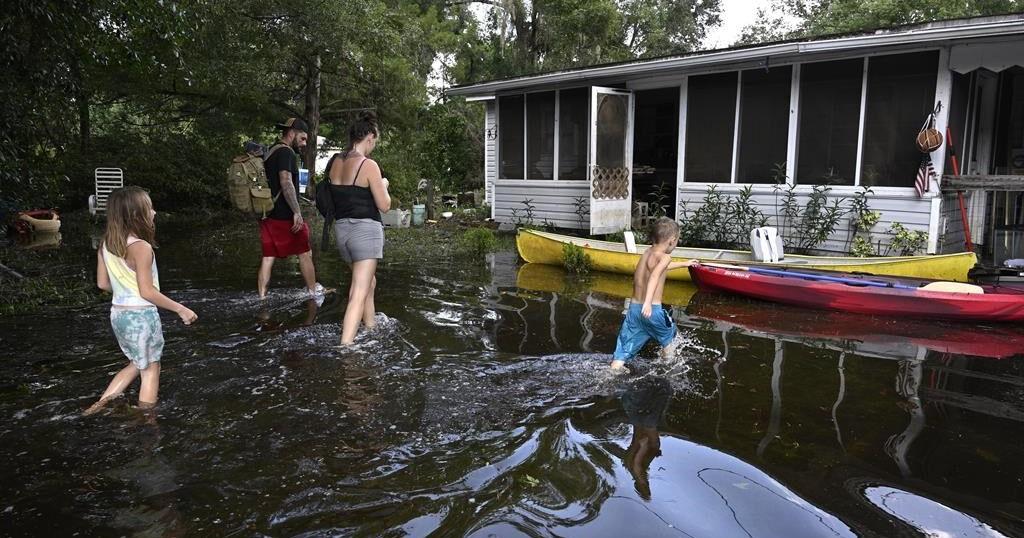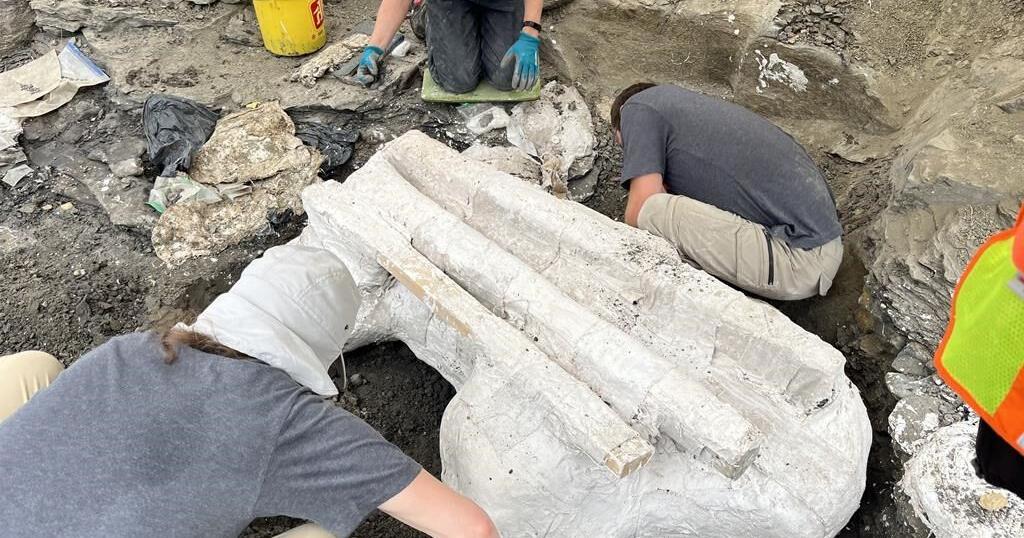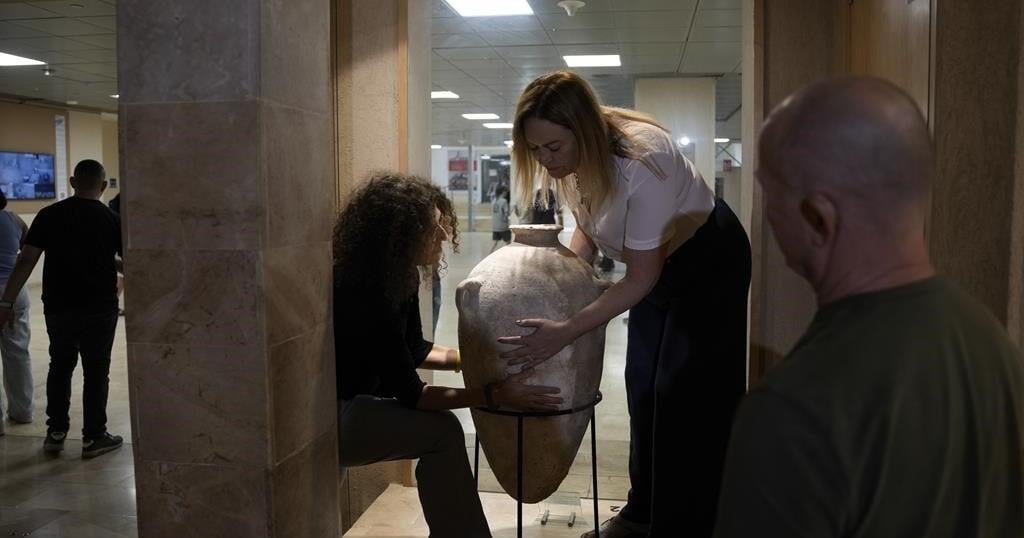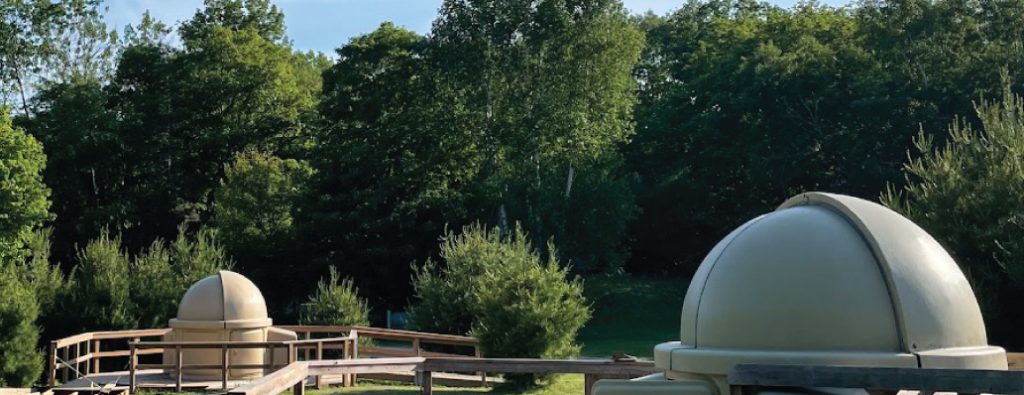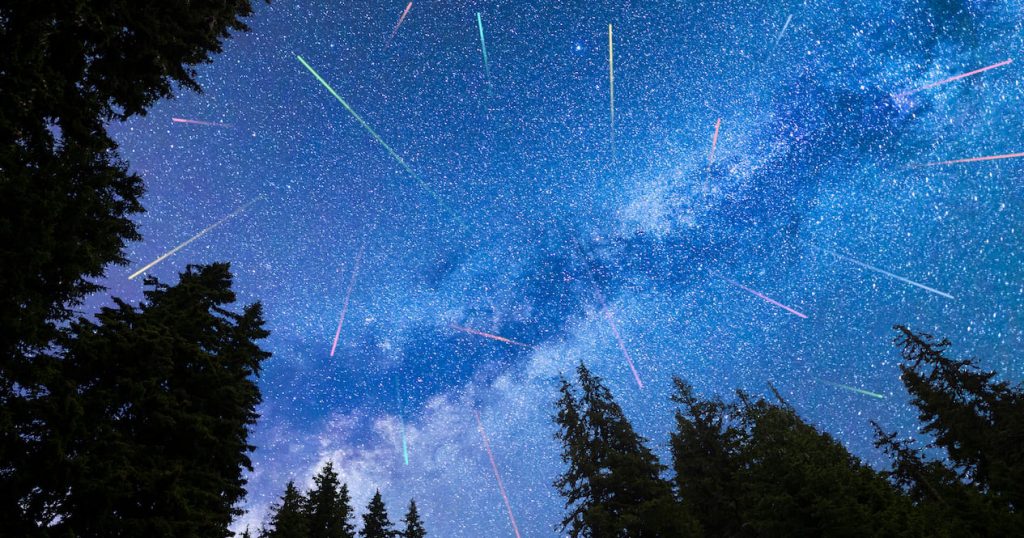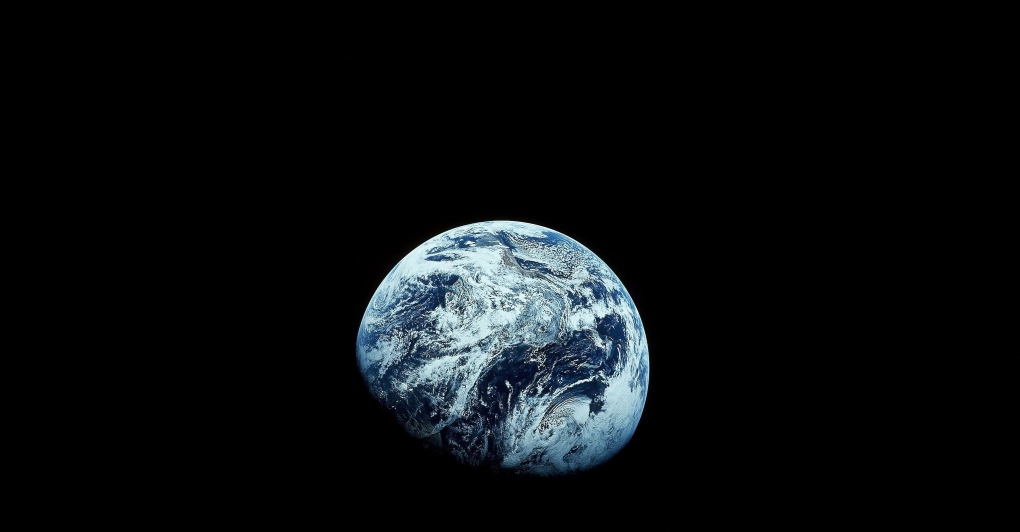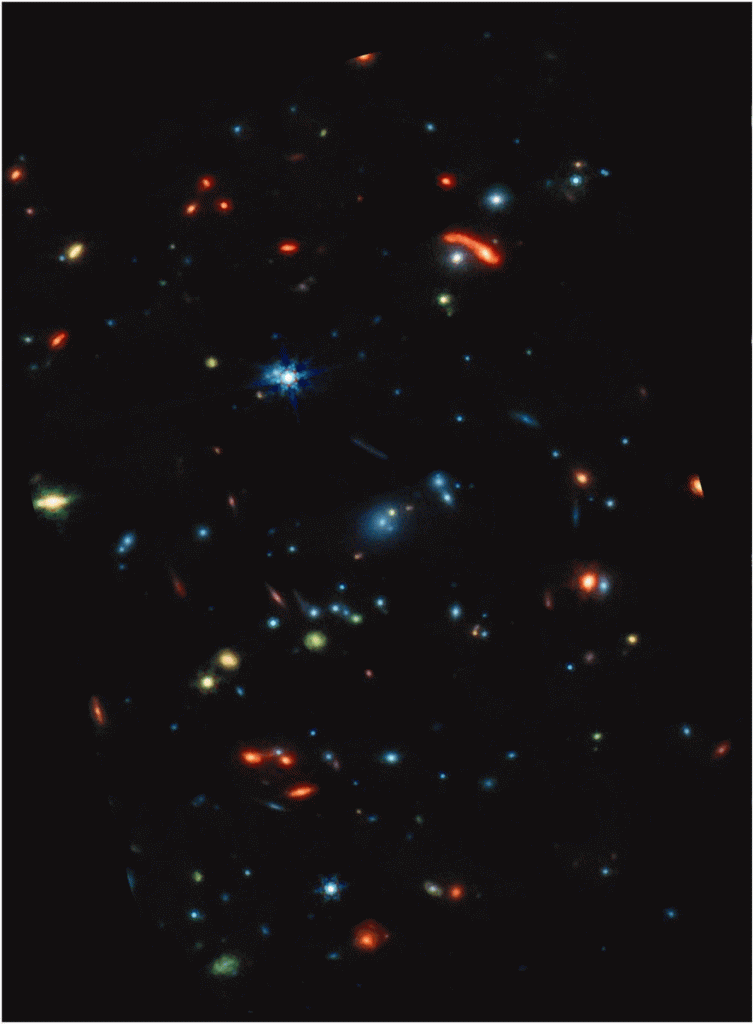


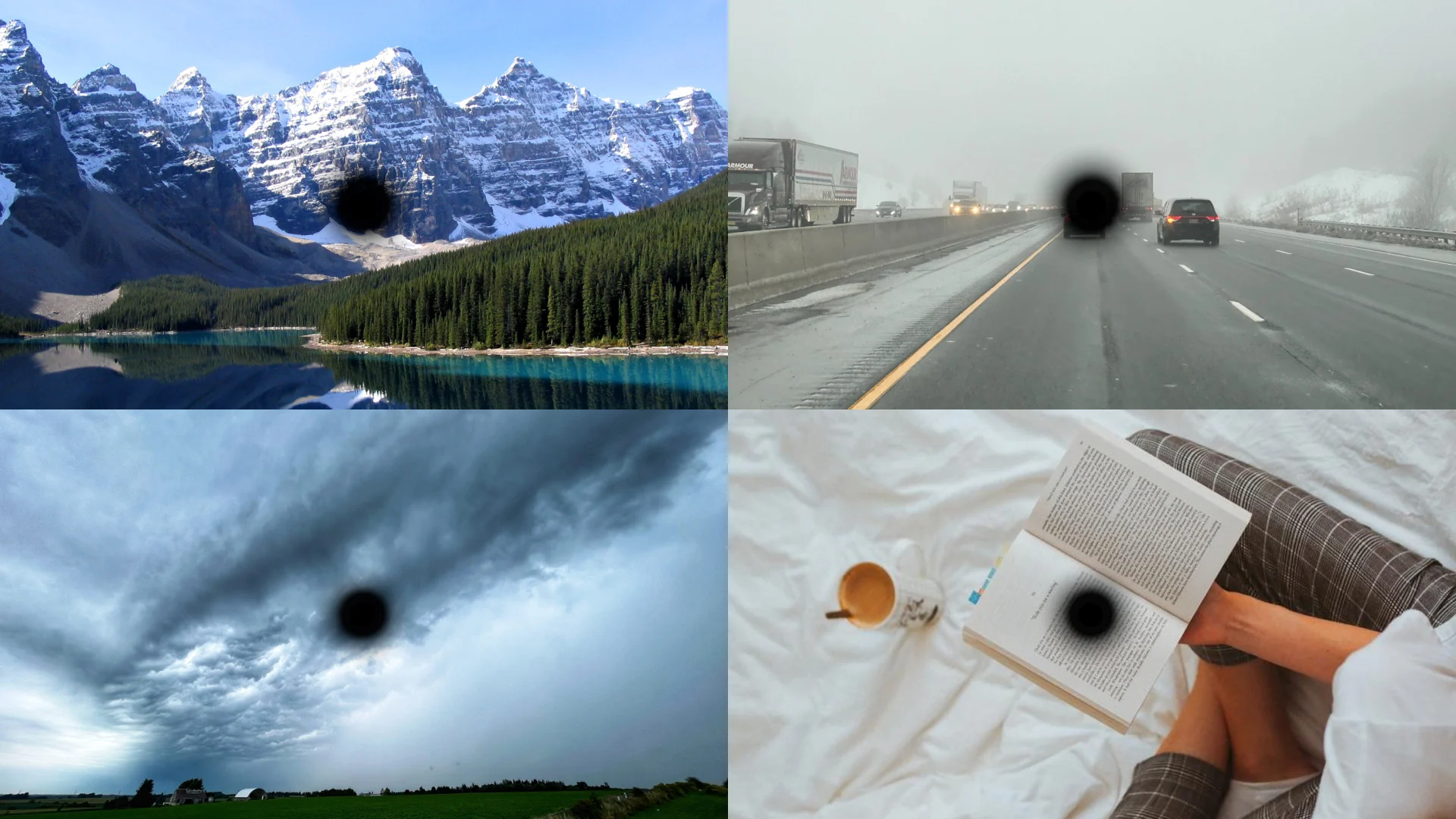
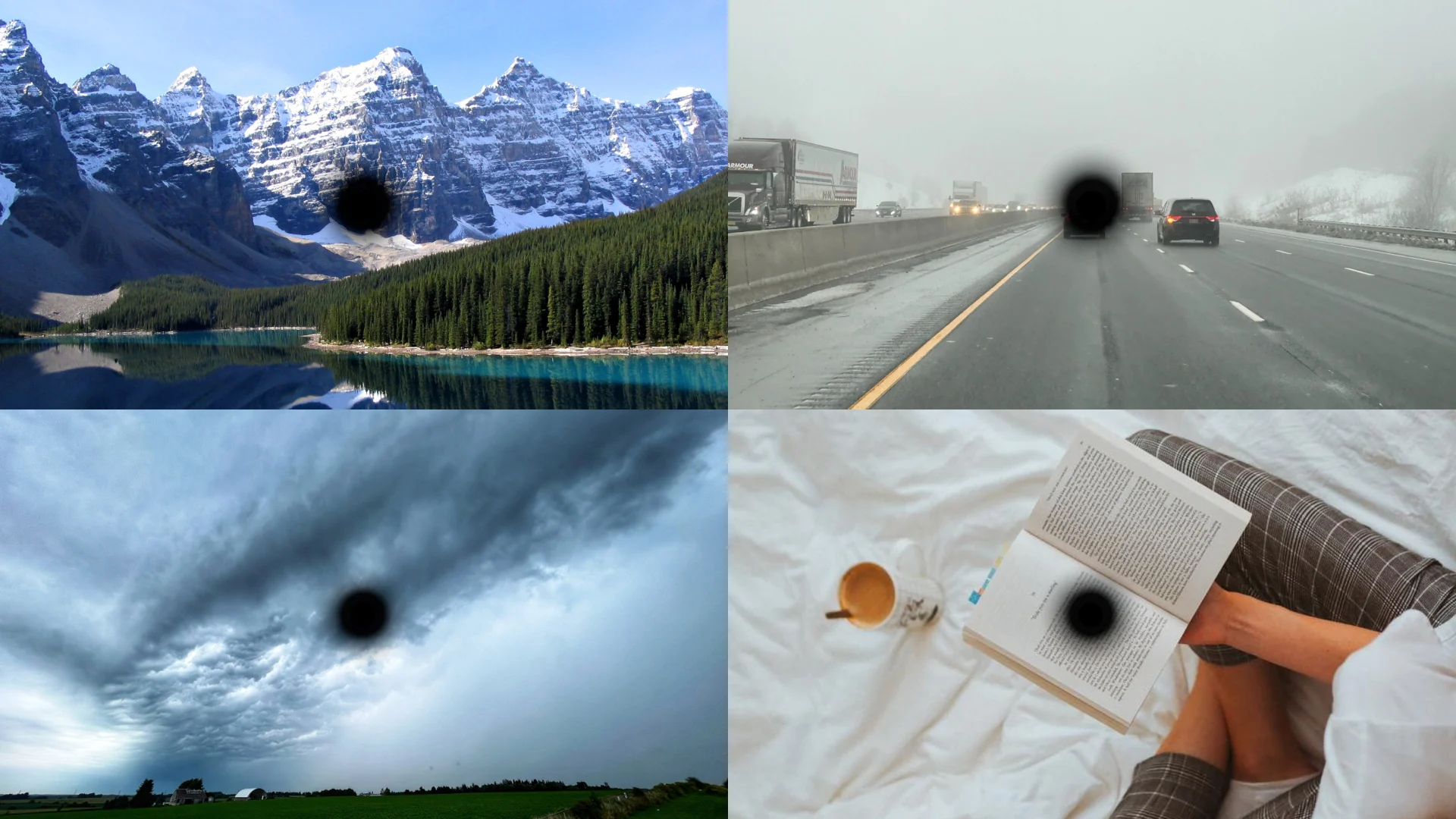
Four examples of how a blind spot (central paracentral scotoma) from solar retinopathy could affect your daily life. (Credits: Top left, Gorgo/Wikimedia/Public Domain; Top right and bottom left, Mark Robinson/TWN; Bottom right, Laura Chouette/Unsplash)
There is no effective treatment
There is no proven treatment for solar retinopathy. Steroid medications have been tried without evidence of success, and may make things worse in some patients. Antioxidant medications are used in some eye diseases, but there are no studies showing a benefit in solar retinopathy. Vision may improve over time without treatment but many patients are left with residual deficits.
The mainstay of management is therefore prevention.
What if you think the damage is done?
Symptoms to watch out for include blurred vision in one or both eyes within one to two days of exposure.
People may also experience blind spots, altered colour vision, visual distortion (straight lines appearing kinked or wavy), micropsia (objects appearing smaller than normal), light sensitivity and headache. There may be no symptoms at all in the first few hours to a day.
If you have symptoms, abstain from further eclipse viewing. Use dark sunglasses and painkillers (such as paracetamol) for light sensitivity and headaches. Arrange an urgent appointment with an ophthalmologist (or an optometrist, GP or emergency department, who may then refer you to a specialist).