


With economic hardship lingering for many Canadians, the choice of whether or not to invest in insurance products becomes ever more complex. Rising debt, coupled with soaring house prices, creates a persistently challenging environment for people to navigate – especially those with no financial training.
A Canadian Life and Health Insurance Association (CLHIA) survey showed that one in three Canadians has no life insurance, and over half of those insured are covered for less than $100,000. This is particularly alarming as the life expectancy for Canadians is consistently dropping year to year.
Despite the evident need for insurance, people cite obstacles such as the cumbersome process of purchasing insurance and the requirement for medical examinations. But of course, affordability is the most significant concern. The perceived complexity and cost associated with insurance products have dissuaded many from pursuing coverage.
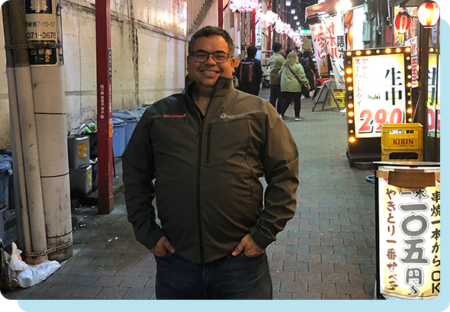
Financial advisor Serge Robichaud works with Canada Life and Quadrus Investments to create tailored financial plans for families. Advisors like Robichaud play a crucial role in guiding individuals through the maze of insurance options.
“I stress to my clients the importance of including living benefits as part of their overall financial plan,” says Robichaud. Living benefits allow policyholders to access the policy’s benefit while they are still alive if they experience a disability or a qualifying critical, chronic and/or terminal illness.
“Living benefits provide critical financial support to people when they’re going through the most challenging times of their lives” Robichaud continues. “They’re able to maintain their standard of living, handle medical expenses, and deal with unexpected turns in their health conditions”
Robichaud has seen first-hand the subtle shifts in perception of the need for insurance with his clients. He understands that affordability is a major concern, and he works with clients to grow their income while also finding the most cost-effective coverage for them.
“Ultimately, the biggest asset you have is yourself,” says Robichaud. “I always ask my clients: what is your biggest financial asset? Most clients answer: their home. The truth is, your ability to earn income for the remainder of your life will likely be worth much more than your home! Hence, you are like a machine that prints money. If you had such a machine in your basement, would you insure it? Living benefits ensure your ability to make money, which is almost always your biggest financial asset!” says Robichaud. “You have to lean on your ability to provide for and protect your family. I work with clients to stretch and maximize their income through the markets, building portfolios that allow them a level of independence and freedom in the choices they can make financially. It’s the best way to ensure that you’re covered for every eventuality.”
By working with financial advisors like Robichaud, Canadians can better optimize their financial stability, allowing them to afford the kinds of insurance coverage they need.
The industry can also take steps to make the purchasing process less cumbersome through the use of digital applications. Most believe that this would benefit the traditional distribution channels as well.
Follow Canada News Media
Get the day's top Canadian stories and our two daily 60-second news videos wherever you scroll.
X Threads Facebook Instagram LinkedIn TikTok YouTube Pinterest Reddit Substack Flipboard Newsletter RSS