
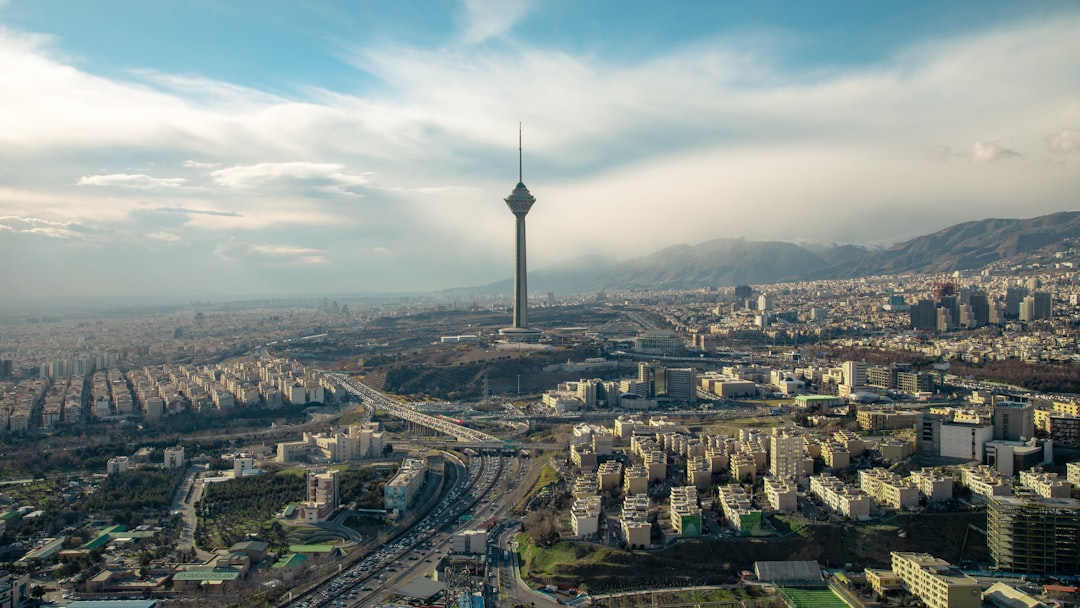
As a fragile 14-day pause in fighting approaches its end on Wednesday, attention is turning to whether Iran and the United States can move from indirect contacts to something more meaningful. The situation remains highly uncertain, with diplomacy, military pressure and regional politics all pulling in different directions at once. Even if both sides want to avoid a wider conflict, mistrust built up over years makes any breakthrough difficult. For now, the world is watching to see whether the ceasefire holds, collapses or becomes the starting point for longer talks.
For Canadians, rising tension between Iran and the United States can quickly become more than a distant foreign policy story. Any renewed conflict in the Middle East can push up global oil prices, which may feed into higher costs for gasoline, shipping and household goods across Canada. It also matters to many families here who have ties to Iran or the broader region, especially if air travel, consular access or communications become more difficult. Ottawa may also face pressure to respond through diplomacy, security planning and coordination with allies as the situation develops.
The next key moment is Wednesday, when the current ceasefire is due to expire unless both sides agree to extend it or replace it with a broader arrangement. Observers will be looking for signs of back-channel diplomacy, public messaging from Tehran and Washington, and whether regional players such as Gulf states or European governments step in to keep talks alive. Any military incident, even a limited one, could quickly change the tone and reduce the chances of negotiations.
To understand why this matters, it helps to remember that Iran and the United States have spent decades in a strained and often hostile relationship shaped by sanctions, regional conflicts and disputes over Iran’s nuclear program. Efforts to reduce tensions have come and gone, with temporary openings often giving way to renewed pressure and sharper rhetoric. That history means even small diplomatic gestures can be significant, but they are also vulnerable to collapse. The current ceasefire is therefore being judged not only on whether it stops immediate violence, but on whether it can create enough trust for broader talks.
As the deadline nears, diplomats and analysts are trying to read mixed signals from both sides. Public statements can be aimed as much at domestic audiences as at foreign governments, so firm language does not always mean talks are impossible. At the same time, neither side wants to appear weak, and that political reality can make compromise harder just when it is most needed. The result is a tense waiting period in which words, military movements and even silence can all carry meaning.
For Canada, the stakes are practical as well as political. Middle East instability often affects global energy markets, and while Canada is an energy producer, price spikes can still hit consumers hard, especially at the gas pump. Financial markets may also react to uncertainty, affecting investment confidence and the cost of doing business. Beyond economics, Canadian officials must consider the safety of citizens abroad, the security of embassies and the possibility of stronger calls for humanitarian support if conditions worsen.
There is also a strong community dimension within Canada. Iranian Canadians and others with family in the region may be watching events with deep personal concern, trying to assess whether loved ones are safe and whether travel plans need to change. In moments like this, news from abroad can have an immediate emotional impact in cities such as Toronto, Vancouver and Montreal, where large diaspora communities follow developments closely. Community groups, legal advocates and cultural organizations may also press governments to improve support for affected families, including immigration flexibility or emergency consular help where possible.
What comes next may depend on whether both sides believe they gain more from restraint than escalation. If the ceasefire is extended, even for a short time, that could create room for quiet diplomacy and confidence-building measures. If it ends without a replacement, markets and governments are likely to react quickly, especially if there are reports of military action or new sanctions. Much will also hinge on whether third-party mediators can keep communication open when direct trust remains low.
Another factor to watch is how allies position themselves. European governments have often tried to preserve space for negotiations, while countries in the region may weigh their own security concerns against the risk of a broader war. The United States will also be balancing international strategy with domestic political pressures, and Iran will be doing the same. Those internal calculations can shape whether leaders take risks for peace or fall back on confrontation.
The broader background is important because this is not a dispute that appeared overnight. Tensions between Iran and Washington have roots in decades of geopolitical conflict, competing regional interests and repeated cycles of sanction, retaliation and attempted diplomacy. The nuclear issue remains central, because Western governments have long argued that Iran’s nuclear activities require strict limits and monitoring, while Tehran has insisted on its rights and pushed back against outside pressure. Each time negotiations stall, the risk rises that military threats will take the place of political dialogue.
Ceasefires in this kind of environment are often less like a final settlement and more like a pause to test intentions. They can help lower immediate danger, but only if both sides see value in keeping them alive. A short truce may also expose how far apart the parties still are on core questions such as security guarantees, sanctions relief and regional influence. That is why the expiry of this 14-day window matters so much: it may reveal whether the current pause is the beginning of serious talks or simply a brief break before tensions rise again.
For Canadian readers, the best approach is to watch not only the headlines but also the wider effects. Oil prices, government travel advisories, airline disruptions and official statements from Ottawa may offer early clues about how serious the situation is becoming. Even if a major breakthrough remains unlikely in the short term, small steps such as an extension, a mediated meeting or reduced military rhetoric would still count as meaningful progress. In a conflict shaped by long memories and low trust, avoiding a fresh crisis may itself be the most realistic success for now.
Follow Canada News Media
Get the day's top Canadian stories and our two daily 60-second news videos wherever you scroll.
X Threads Facebook Instagram LinkedIn TikTok YouTube Pinterest Reddit Substack Flipboard Newsletter RSS