



Good Friday morning,
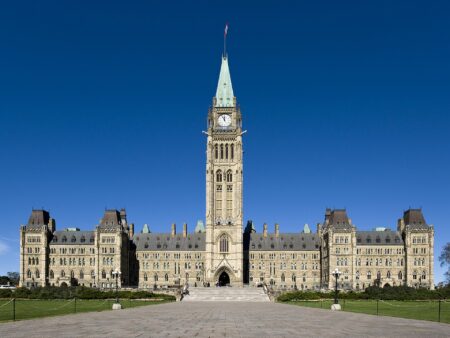
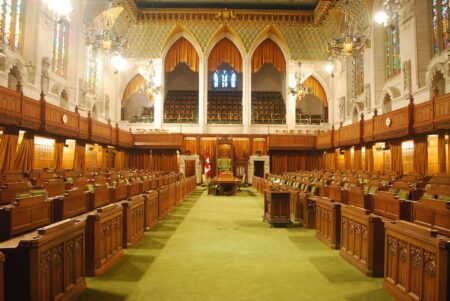
Parliament is set to sit over the long weekend to pass the feds’ $73-billion wage subsidy, with the House is slated to convene Saturday at around noon. In a tweet yesterday afternoon, Government House Leader Pablo Rodriguez said he put in a request to the Speaker so that the government can “bring in new emergency economic measures” to support businesses and workers amid the coronavirus pandemic.
Finance Minister Bill Morneau expressed frustration the other day over the pace of negotiations, suggesting that other parties had been delaying the recall of Parliament. But outgoing Conservative Leader Andrew Scheer pushed back, tweeting a letter addressed to the prime minister that “while we can all agree that there is a need to move quickly in this current crisis, when there is no debate, no discussion, no opportunity for regular questions from Opposition, it makes it that much harder to perfect legislation.”
Parliamentary Budget Officer Yves Giroux released a series of reports, including one that projected the federal deficit could soar to $184.2-billion for the 2020-21 fiscal year. The last time Canada was that deep in the red was in 1984-85. That analysis does not yet account for the multibillion-dollar wage subsidy program.
In jobless numbers for March, StatsCan reported that more than a million people have been laid off, leading to a jump in the unemployment rate from 5.6 per cent to 7.8 per cent. That does account for those who have seen their hours cut or income slowly dry up due to the pandemic. Women, particularly those between 25 and 54, were disproportionately affected, losing their jobs twice as men in that cohort.
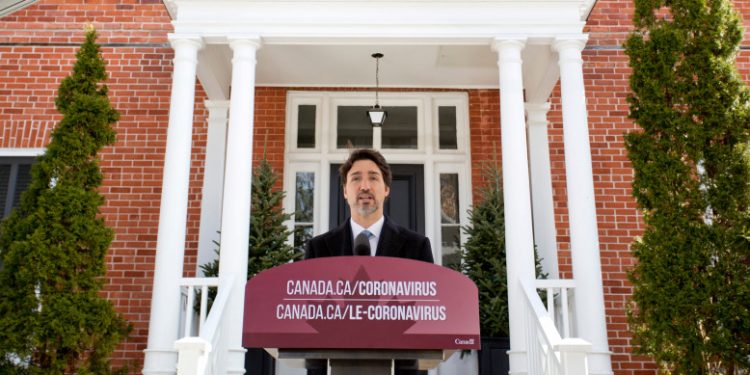
After facing daily pressure to release national projections forecasting the extent of the pandemic’s toll, Prime Minister Justin Trudeau and public health officials offered a preview of what Canadians could expect. With the current measures in place, Canada could see up to 44,000 deaths related to COVID-19 in the coming months. In the short term, the public health agency said there could be between 500 and 700 deaths by next week. While federal officials said the social-distancing measures could last between 12 and 18 months, given that a vaccine is still a long way off, the Quebec government is eyeing a gradual return to some sense of normalcy, as the number of cases have started to stabilize, according to The Canadian Press. It was still unclear which parts of the economy would be reawakened.
Chief public health officer Dr. Theresa Tam said Canadians can expect a “very cautious approach” to relaxing physical-distancing measures, with different parts of the country’s experiences expected to vary, depending on the severity of the outbreak.
In other non-COVID news, Canada is planning to go ahead with its sale of armoured vehicles to Saudi Arabia, after it reached a new deal, worth $14-billion, which would give the feds the ability to be more open about the terms, according to CBC.
The Hill Times

Follow Canada News Media
Get the day's top Canadian stories and our two daily 60-second news videos wherever you scroll.
X Threads Facebook Instagram LinkedIn TikTok YouTube Pinterest Reddit Substack Flipboard Newsletter RSS