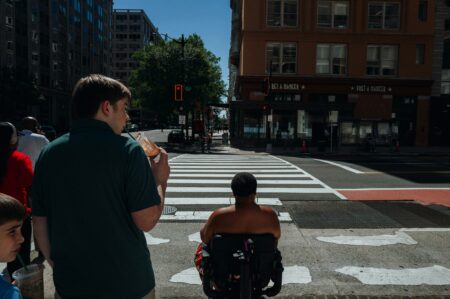




In Canada, healthcare is often seen as a right — a system that should provide equitable access to all. However, for many Black Canadians, the reality is far from ideal. Social determinants, systemic racism, and deep-rooted inequities continue to impact the health outcomes of Black Canadians in ways that are both visible and hidden. As we delve into 2025, the disparities in healthcare access and outcomes for Black Canadians persist, revealing how historical injustices and systemic barriers continue to influence health.
The World Health Organization defines social determinants of health as the conditions in which people are born, grow, live, work, and age. These factors — ranging from education, income, employment, housing, and social support — play a crucial role in shaping health outcomes. For Black Canadians, many of these determinants are marred by systemic barriers, leading to poorer health outcomes compared to their non-Black counterparts.
Dr. Ahmed Elmi, a public health expert, explains: “When we talk about the health of Black Canadians, we cannot isolate it from the broader societal inequities they face. Whether it’s lower incomes, higher unemployment rates, housing discrimination, or limited access to education, these factors all have a direct impact on health. And they are deeply rooted in systemic racism.”
One of the key social determinants of health is income. Studies have shown that individuals with lower incomes are more likely to experience poor health outcomes, and Black Canadians disproportionately fall into lower income brackets due to historical and ongoing racial discrimination in employment.
Statistics Canada data from 2023 revealed that Black Canadians had an unemployment rate of 10.2%, significantly higher than the national average of 6.8%. Many Black Canadians are also concentrated in low-paying jobs with little access to healthcare benefits or sick leave.
Jeanette Williams, a Black Canadian woman from Toronto, shared her experience of trying to access healthcare while working a minimum-wage job. “I work two jobs just to make ends meet, but neither of them offers healthcare benefits. When I got sick last year, I couldn’t afford to take time off, and I had to wait months to see a specialist because I didn’t have the money to go to a private clinic. It’s exhausting.”
Educational attainment is another significant determinant of health, and Black Canadians face barriers in accessing quality education from an early age. A 2024 report by the Toronto District School Board found that Black students were disproportionately suspended, faced lower academic expectations, and were more likely to drop out compared to their peers.
This educational disparity not only affects employment prospects but also health literacy — the ability to understand and use health information. Health literacy is essential for managing chronic diseases, understanding medical advice, and navigating the healthcare system. When people lack this literacy, their ability to advocate for their health is diminished.
Dr. Mary Johnson, a family physician in Ottawa, highlights how this impacts health outcomes: “When patients don’t have the necessary health literacy, they often delay seeking care or don’t fully understand the treatment options available to them. For Black Canadians, especially those who have faced educational barriers, this can mean untreated chronic conditions like diabetes or hypertension, which leads to more severe health outcomes down the line.”
Housing is a critical factor in health outcomes, and Black Canadians are more likely to experience housing discrimination, overcrowding, and poor living conditions. The lack of stable housing contributes to stress, mental health issues, and an increased risk of infectious diseases. The COVID-19 pandemic starkly highlighted how precarious housing situations left many Black Canadians more vulnerable to the virus.
A 2025 report from the Canada Mortgage and Housing Corporation (CMHC) showed that Black Canadians were twice as likely to live in inadequate or unaffordable housing compared to the national average. For individuals like Marcus Bailey, a Black man living in Montreal, finding safe and affordable housing has been a lifelong struggle.
“I’ve been living in overcrowded apartments my whole life,” Marcus says. “The rent keeps going up, but my wages don’t. And the places I can afford are in neighborhoods with high crime rates, poor air quality, and little access to green spaces. It’s no surprise that so many Black Canadians like me are dealing with health problems. How can we be healthy when we’re stuck in these conditions?”
While social determinants of health create significant barriers, the inequities Black Canadians face within the healthcare system itself cannot be ignored. Numerous studies have shown that Black Canadians are less likely to receive timely and adequate healthcare, even when they do seek it.
Dr. Johnson recalls an incident where a Black patient’s pain was dismissed by a colleague: “I had a patient come in with severe abdominal pain, but the attending physician downplayed it, suggesting that Black patients often exaggerate their pain. It was shocking, but unfortunately, not uncommon. Black Canadians often face biases that affect how seriously their symptoms are taken, and this can lead to delayed diagnoses and poorer outcomes.”
This type of systemic racism within healthcare has far-reaching consequences. Black Canadians are more likely to suffer from chronic conditions like hypertension and diabetes but are less likely to receive appropriate treatment. Additionally, mental health care is often inaccessible, with many Black Canadians feeling that their concerns are not taken seriously.
Mental health is another area where Black Canadians face significant disparities. Systemic racism, economic stress, and social isolation contribute to higher rates of mental health issues, including depression and anxiety. However, access to mental health services remains a challenge, particularly for those seeking culturally competent care.
“I went to therapy once, but the therapist just didn’t understand where I was coming from,” says Sarah, a Black woman living in Vancouver. “She dismissed my experiences with racism as ‘overthinking’ and said I needed to focus on being more positive. It was frustrating because I needed someone who could really understand the impact of racism on my mental health.”
The lack of culturally competent mental health services leaves many Black Canadians feeling alienated from the healthcare system, discouraging them from seeking the care they need.
To address the inequities in health faced by Black Canadians, there needs to be a multifaceted approach that tackles both the social determinants of health and the systemic racism within the healthcare system. This includes:
- Investing in education and employment opportunities for Black Canadians to address the root causes of income inequality and health disparities.
- Improving access to affordable and adequate housing for marginalized communities to create healthier living environments.
- Providing training for healthcare professionals on implicit bias and culturally competent care to ensure that Black Canadians receive equitable treatment.
- Expanding access to mental health services that are tailored to the unique needs of Black Canadians.
In 2025, while there have been steps toward progress, the health inequities faced by Black Canadians remain a pressing issue. Without a concerted effort to address the social determinants of health and dismantle systemic racism, the gap in health outcomes will continue to widen, leaving Black Canadians at a disadvantage in a system that is meant to serve all equally.
As we reflect on the experiences of Black Canadians, it becomes clear that health is not just about access to doctors and hospitals. It is about addressing the broader societal inequities that shape our lives. From income and education to housing and healthcare, the social determinants of health must be tackled if we are to create a truly equitable society.
For people like Jeanette, Marcus, and Sarah, the fight for equitable healthcare is ongoing. Their stories remind us that while progress may be slow, the need for systemic change is urgent. As Canada moves forward, it is critical that we continue to advocate for policies that will address these inequities and ensure that all Canadians, regardless of race, have the opportunity to live healthy, fulfilling lives.
Follow Canada News Media
Get the day's top Canadian stories and our two daily 60-second news videos wherever you scroll.
X Threads Facebook Instagram LinkedIn TikTok YouTube Pinterest Reddit Substack Flipboard Newsletter RSS