



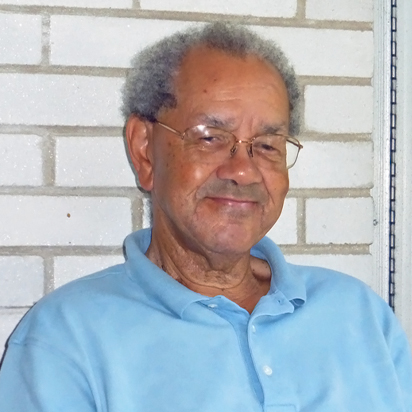
As Canada commemorates Black History Month, we are reminded of the countless individuals who have contributed to the rich history and development of the Black community in Canada. Among these inspiring figures is Dr. George Phill, a name that holds significance in the world of education and community service. His work serves as a beacon for future generations, exemplifying the resilience and excellence that Black Canadians have brought to the nation’s cultural and social fabric.
Dr. George Phill was born in the Caribbean and moved to Canada in his youth, much like many others of his generation who sought new opportunities in the 1950s and ’60s. The story of Dr. Phill is not just about personal success, but about how one man’s determination and commitment to education can create lasting change in a country that has historically marginalized Black people.
Dr. Phill completed his higher education at some of Canada’s most prestigious institutions, where he earned multiple degrees, including a Ph.D. in Education. His academic journey was not without challenges, as he often faced subtle but systemic barriers that prevented many Black Canadians from advancing in their fields. In an interview reflecting on his early years, Phill said, “There were times when I felt that I had to work twice as hard just to be seen as equal. But I took that as motivation to push forward, knowing that I was laying the groundwork for those who would come after me.”
Throughout his career, Dr. Phill became a pioneer in education, particularly in championing access for underrepresented communities, including Black and Indigenous populations. He served as a professor, researcher, and administrator, helping to shape the way educational systems recognize and cater to diverse student needs. Phill’s work was instrumental in bringing attention to the disparities Black students faced in Canadian schools—issues like lack of representation, biased curricula, and systemic barriers to academic success.
One of his most significant contributions was co-founding initiatives aimed at supporting the educational needs of marginalized students. “We weren’t just looking for equity, we were looking for transformation,” he stated in one of his speeches during a university event. Dr. Phill understood that education was the key to breaking cycles of poverty and disenfranchisement within the Black community.
Beyond his role in education, Dr. Phill was also a fierce advocate for social justice. He understood that the challenges facing the Black community in Canada were multifaceted, requiring a concerted effort from both governmental and non-governmental organizations to address them.
In an interview with CBC during the height of the Black Lives Matter movement in 2020, Phill remarked, “For years, we have been calling for recognition of the systemic racism that exists not just in education but in healthcare, the criminal justice system, and the labor market. The pandemic has made it clear to everyone what we’ve known all along: that these inequities are deeply entrenched, and we cannot afford to ignore them any longer.”
Dr. Phill was a regular speaker at public forums, universities, and community events where he emphasized the importance of recognizing the historical and ongoing impact of colonialism on Black and Indigenous Canadians. His advocacy extended to government policies, as he called for reforms in areas such as housing, employment equity, and healthcare access.
Dr. Phill’s legacy is not only rooted in the institutions he helped shape or the policies he influenced, but also in the lives he touched. He mentored countless young people, particularly Black Canadians, encouraging them to pursue their dreams despite the obstacles they might face. His message was simple: perseverance, education, and community solidarity are the keys to success.
One of his former students, now a community leader in Toronto, recalled, “Dr. Phill didn’t just teach us academics. He taught us about life. He reminded us that being Black in Canada comes with unique challenges, but also unique opportunities. He believed in us when we didn’t always believe in ourselves.”
Another colleague, a professor at the University of British Columbia, commented, “George was a visionary. He saw what was possible in the fight for equity in education and social justice when many of us were still grappling with how to approach it. His influence is far-reaching, and his work continues to inspire.”
As Black History Month unfolds in 2025, the legacy of Dr. George Phill remains ever relevant. The fight for equity and justice in Canada is far from over, and the lessons Dr. Phill imparted serve as a guiding light in these ongoing efforts. While progress has been made, Black Canadians still face disparities in income, health outcomes, and representation in positions of power.
“Dr. Phill always believed that education was the great equalizer, but he also recognized that education alone wasn’t enough. We need systemic change across all sectors of society,” said one of his close friends and fellow advocate.
The conversations around racial justice have grown more prominent in recent years, but Phill’s teachings remind us that change doesn’t come without sustained effort and active participation from all sectors of society.
The Canadian government, educational institutions, and businesses must take Phill’s work to heart and continue the push toward a more just and equitable society. During Black History Month, it’s essential to not only celebrate the achievements of Black Canadians but also reflect on the work that still needs to be done.
Dr. Phill’s contributions to education and social justice serve as a reminder that change is possible when we work together, but it requires both personal and institutional commitment. His life’s work embodies the spirit of Black History Month: celebrating resilience, pushing for progress, and ensuring that future generations have the opportunities they deserve.
As we reflect on Dr. George Phill’s remarkable legacy, let us all be inspired to continue the fight for equity, inclusion, and justice for Black Canadians and all marginalized communities in this country.
Black History Month is not just a time to look back but also to look forward. Dr. George Phill’s life serves as a testament to the power of education, activism, and mentorship in creating lasting change. His contributions will be felt for generations to come, as Canada continues to strive toward a future where all people, regardless of their race, have the opportunity to thrive.
Let us honor Dr. Phill by continuing the work he started—challenging inequities, empowering young Black Canadians, and pushing for systemic change in all aspects of Canadian society. In doing so, we carry forward his vision of a better, more inclusive Canada for everyone.
Follow Canada News Media
Get the day's top Canadian stories and our two daily 60-second news videos wherever you scroll.
X Threads Facebook Instagram LinkedIn TikTok YouTube Pinterest Reddit Substack Flipboard Newsletter RSS