



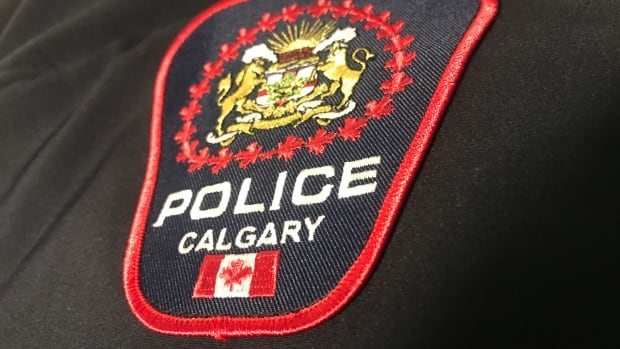
In recent years, allegations and documented instances of police brutality against Black Canadians in Calgary have sparked significant outrage, fear, and demands for change. As these incidents mount, community members, activists, and leaders are calling for immediate accountability and systemic reform within the Calgary Police Service (CPS).
The lived experiences of Black Calgarians reveal a troubling reality—one marked by fear, distrust, and a pervasive sense of injustice.
“Every time my teenage son leaves home, I’m afraid,” says Anne-Marie Smith, a longtime Calgary resident. “We teach our children how to interact with police safely, but the problem isn’t our children—it’s the policing culture itself.”
Instances of excessive force, wrongful arrests, and discriminatory profiling by Calgary police have become increasingly visible, drawing criticism from local and national human rights organizations.
The case of Godfred Addai-Nyamekye, a Black man who experienced police brutality in 2013, remains a stark reminder of these ongoing issues. Addai-Nyamekye was reportedly assaulted and severely injured by CPS officers, leading to lasting physical and psychological impacts. Despite his prolonged battle for justice, many community members feel the accountability measures remain inadequate.
“It sends a chilling message,” states Adora Nwofor, president of Black Lives Matter YYC. “If justice isn’t served in high-profile cases, what hope do ordinary Black Calgarians have when facing everyday abuses?”
Black Lives Matter YYC and other advocacy groups have been vocal in pushing for systemic changes, including enhanced oversight, community-based policing models, and extensive anti-racism training for officers.
Nwofor emphasizes, “Reforms must be substantial, transparent, and community-led. Cosmetic changes won’t cut it when lives are at stake.”
Community leader and activist Cheryl Foggo also underscores the urgency of addressing systemic racism. “The root causes of brutality are embedded in the institution. Training alone isn’t enough. There needs to be structural and cultural overhaul.”
According to reports by the Alberta Human Rights Commission and various watchdog groups, Black residents in Calgary disproportionately experience police stops, arrests, and incidents of force.
Dr. Malinda S. Smith, Vice Provost of Equity, Diversity, and Inclusion at the University of Calgary, says, “The data consistently show that Black individuals face higher scrutiny and harsher treatment. These disparities indicate deep-rooted institutional biases.”
Community trust remains eroded, particularly due to what many see as insufficient oversight mechanisms. Activists like Desmond Cole, a national commentator and author, highlight the need for independent, civilian-led oversight bodies.
“The community won’t regain trust until they see accountability outside of police control,” Cole argues. “Civilian oversight with actual power is crucial to addressing these systemic abuses.”
Calgary Police Service has acknowledged the need for change, pledging enhanced community engagement and increased transparency. However, critics argue these promises have yet to yield meaningful results.
“We’ve heard assurances before,” says Chima Nkemdirim, former Chief of Staff to Calgary’s mayor and an advocate for racial equity. “Black Calgarians want to see action and measurable outcomes, not just statements of good intention.”
The psychological toll of these incidents extends deeply into the Black community, impacting mental health, educational outcomes, and overall quality of life.
Dr. Wanda Thomas Bernard, a respected advocate and Canadian senator, comments, “The trauma of police brutality is profound and generational. It affects community wellness, family dynamics, and trust in public institutions. We must address this trauma head-on with culturally responsive mental health resources.”
Young Black Calgarians particularly feel the brunt of strained police relations.
“Growing up Black here means being hyper-aware of your movements, your behavior, even your clothing choices,” explains 17-year-old Elijah Thompson. “We’re always seen as potential threats, not just kids.”
Activists and community workers emphasize investing in youth-focused community initiatives to build healthier relationships and opportunities.
Community-driven initiatives, including police-community dialogues and oversight committees, are gaining momentum.
“The solutions to these issues must come from the community itself,” states Dr. Malinda S. Smith. “True reform must center the voices, needs, and experiences of those directly impacted by police violence.”
Nwofor agrees: “Community involvement in policing decisions isn’t just necessary—it’s mandatory for true justice.”
As Calgary continues to grapple with police brutality and systemic racism, the calls for accountability, transparency, and transformative reform grow louder. For Black Calgarians, the fight for justice and equity remains a critical and ongoing struggle.
“Police brutality isn’t an isolated problem; it’s a symptom of a larger disease of systemic racism,” says Adora Nwofor. “We need bold, sustained action and relentless accountability to heal our community and ensure future generations don’t inherit this trauma.”