



For Canadians with disabilities, building long-term security depends on both savings and protection. The Registered Disability Savings Plan (RDSP) is a government-supported program that helps qualified individuals grow funds for the future. Despite its potential, numerous Canadians are unaware of its benefits and how insurance planning can complement it.
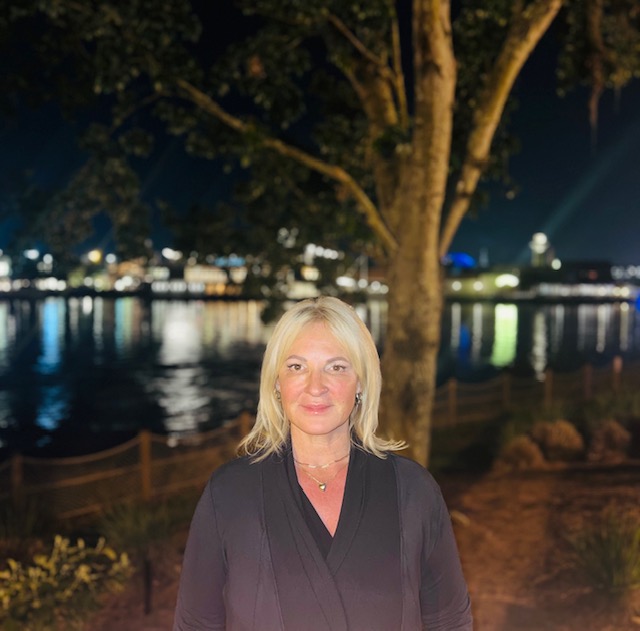
Lucy Lukic, an insurance advisor based in Hamilton, Ontario, explains that awareness is the main barrier. “Many qualifying Canadians don’t even know the RDSP exists, let alone how it can combine with insurance protections,” she says. “When insurance planning and the RDSP work together, you can create far greater resilience for individuals with disabilities and their families.”
The RDSP allows contributions to grow tax-deferred and provides substantial government support. The Canada Disability Savings Grant offers up to $3,500 a year for eligible contributions, with lifetime limits reaching $70,000. The Canada Disability Savings Bond provides up to $1,000 per year for lower-income individuals, even without a personal contribution, with a lifetime maximum of $20,000. In 2025, the income thresholds for these benefits are $37,487 for the phase-out of the bond, $57,375 for partial bond eligibility, and $114,750 for full grant matching. Retroactive entitlements can be carried forward for up to 10 years, allowing families to receive multiple years of grants at once when a plan is opened.
Participation in the RDSP remains low. Only about 17% of Canadians report being aware of the plan, and fewer than one-third of qualified individuals have opened an account. About 1.5 million Canadians qualify but have not yet taken advantage of the program. This gap represents an opportunity for insurance professionals to educate families and ensure that individuals receive the financial and protection benefits available to them.
Insurance planning influences one’s ability to maintain RDSP contributions. A serious health event, such as a critical illness, can limit a person’s ability to contribute to savings. Pairing an RDSP with appropriate insurance ensures that contributions continue and government matching funds remain accessible. Lukic emphasizes the value of combining the two. “Pairing an RDSP with the right insurance protection helps families stay the course,” says Lukic. “When someone experiences a serious illness, their savings plan shouldn’t be derailed and their eligibility for matching grants shouldn’t be compromised.”
The RDSP also creates a pathway to independence. Savings accumulated in the plan can provide flexibility for living arrangements, education, and personal needs. The government grants and bonds amplify the impact of contributions, allowing individuals to grow their resources more effectively over time. The ability to carry forward unused grants from previous years further strengthens the plan as a long-term tool for security.
Families and insurance professionals who engage with the RDSP have an opportunity to close an information gap and support Canadians with disabilities. Many families are unaware of the Disability Tax Credit, which is required to open an RDSP. By guiding clients through the eligibility process, professionals can help individuals access matching grants and bonds and combine these resources into broader insurance strategies.
“The RDSP is a program where everyone benefits. It supports families, promotes inclusion, and allows insurance advisors to provide guidance that has both financial and personal significance,” says Lukic. Combining insurance with the RDSP creates stability, allowing families to weather unexpected events while continuing to accumulate savings and receive government support.
As awareness of the RDSP grows, it will become a primary tool for Canadians with disabilities seeking security and autonomy. For insurance professionals, this presents an opportunity to deliver meaningful guidance while addressing a largely untapped market. With the updated thresholds for 2025 and the ability to combine RDSP contributions with insurance protections, individuals and families have new ways to ensure financial resilience and independence.