
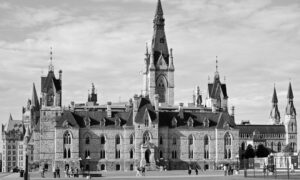



The Canadian government has unveiled its latest budget, a $465 billion proposition aimed at addressing pressing social issues, bolstering economic recovery, and implementing long-term investments in infrastructure and sustainability. Amid rising inflation and post-pandemic recovery, this budget seeks to offer a blend of immediate relief and forward-thinking strategies that touch the lives of millions.
The Economic Landscape
As Canada grapples with high inflation rates and a cost-of-living crisis, especially for low- and middle-income families, the implications of this budget are more than just numbers on paper. The plan strives to create a robust safety net that prioritizes social welfare alongside economic growth. Expert analysis suggests that these measures are critical for stabilizing the economy.
According to Dr. Lisa Foreman, an economist at the University of Toronto, “This budget reflects a significant shift towards prioritizing social equity and environmental sustainability, which are essential for long-term economic resilience.” With the unemployment rate hovering around 5.5%, the budget aims to sustain job creation while also addressing social disparities exacerbated during the COVID-19 pandemic.
Investment in Social Programs
One of the standout features of the budget is a $13 billion allocation to social programs, particularly in healthcare, education, and housing. This investment is designed to facilitate access to essential services for Canadians from all walks of life.
- Healthcare: The government plans to invest $5 billion into mental health services as part of the overall health budget. Recent studies indicate that approximately 1 in 5 Canadians struggle with mental health issues, exacerbated during the pandemic.
- Education: A $4 billion increase has been earmarked for educational institutions, focusing on improving infrastructure, updating technology, and expanding access to quality education in rural areas.
- Affordable Housing: With skyrocketing housing prices, $4 billion has been allocated to affordable housing initiatives, focusing on low-income families and marginalized communities.
Climate Initiatives and Sustainability
Environmental responsibility remains a cornerstone of Canada’s budgetary plan, as the government dedicates $10 billion to combat climate change. This budget underscores a commitment to reaching the 2030 emissions target and alleviating the impacts of climate change, especially as natural disasters have intensively affected various provinces in recent years.
Investment in renewable energy and green technologies not only aims to reduce carbon emissions but also seeks to create jobs in emerging sectors. The government forecasts that these investments will create approximately 100,000 new jobs in green energy over the next five years.
Support for Indigenous Communities
In a significant move toward reconciliation, the budget allocates $2.4 billion for Indigenous communities, addressing critical areas such as education, health, and economic development. This investment is expected to improve living conditions and foster greater self-sufficiency.
Alan Yelland, an Indigenous leader from British Columbia, affirms, “True reconciliation requires ongoing investment in our communities. This budget signifies a step forward towards the fulfillment of promises made and is a recognition of our rights and needs.”
The Role of Taxes
This budget introduces a new luxury tax on high-value vehicles and personal watercraft, estimated to bring in $1 billion annually. Additionally, small businesses can expect a tax credit for hiring young workers, providing a much-needed boost to job creation.
While some criticize the government’s approach as a way to shift the economic burden onto the wealthy, policymakers argue that this strategy is vital for funding crucial services. “Equitable taxation is a fundamental part of our social contract,” states Finance Minister Chrystia Freeland. “We are ensuring that those with the greatest capacity to contribute do so in a way that alleviates the burdens on those less fortunate.”
Public Reaction and Future Implications
The public’s reaction to the budget is mixed. While many applaud the focus on social equity and climate initiatives, critics argue that it falls short in areas such as crime prevention and security measures, especially in urban centers facing increasing rates of homelessness and substance abuse.
Anna Chen, a Toronto resident, states, “I appreciate the support that has been outlined for healthcare and housing; however, I worry about our streets and the safety of our neighborhoods. It feels like we are missing something.”
Conclusion
As Canada implements this new budget, the immediate effects will become apparent in various sectors, but the long-term implications are crucial for building a resilient future. Balancing economic recovery with social equity and environmental sustainability will remain a significant challenge for lawmakers and citizens alike. The true measure of this budget will rely not only on its execution but also on the government’s ability to adapt and address ongoing societal needs.
In a country as diverse as Canada, these financial decisions will undoubtedly resonate across different communities. The hope remains that, ultimately, the 2023 budget fosters a more equitable and sustainable future for all Canadians.