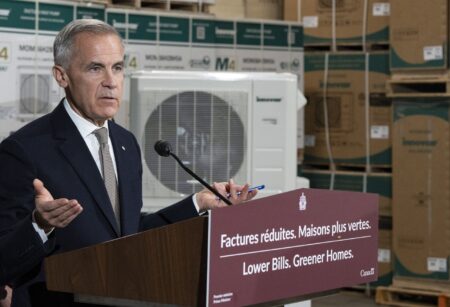



The Canadian economy has shown remarkable resilience over the past year, navigating challenges from global inflation to supply chain disruptions. According to recent data from Statistics Canada, the nation’s Gross Domestic Product (GDP) grew by approximately 3.1% in 2023, surpassing many economists’ forecasts and solidifying Canada’s status as a key player on the North American economic stage.
Understanding GDP Growth
Gross Domestic Product is a crucial economic indicator, reflecting the total value of all goods and services produced over a specific time frame. A growing GDP suggests a healthy, expanding economy, leading to increased employment rates, rising wages, and better living standards. For Canada, an economy heavily reliant on natural resources, international trade, and technological innovation, these figures are not just numbers; they indicate the well-being of millions.
The Drivers Behind the Growth
Several factors have contributed to Canada’s promising GDP performance in 2023:
- Strong Consumer Spending: Consumer confidence has surged as inflation rates stabilized, leading to increased spending on retail goods and services. The household consumption rate rose 5.2%, particularly in sectors like hospitality and tourism, which had previously been hit hard by the pandemic.
- Investment in Infrastructure: The Canadian government’s commitment to infrastructure projects has bolstered economic activity. Investments in public transportation, green energy, and housing have spurred growth in construction and manufacturing sectors, contributing to an overall increase in GDP.
- Export Expansion: As global markets rebound from the pandemic, Canadian exports, particularly in mineral resources, forestry, and agricultural products, have seen a significant uptick. The value of exports rose by 4.5%, driven by robust demand from international partners.
Regional Highlights
While Canada’s overall GDP growth has been impressive, the performance varies significantly across different provinces. British Columbia and Ontario have emerged as leaders, with their diverse economies benefitting from technology and services, while Alberta continues to recover from its reliance on oil.
In British Columbia, the tech sector, including software development and digital services, has been a significant contributor, seeing growth rates upwards of 7%. Conversely, Ontario, with its automotive and financial services, saw a robust 3.9% growth rate.
Meanwhile, Alberta’s economy is showing signs of recovery post-energy price slump, with growth hitting 3.5% as oil prices stabilize. However, the province’s dependence on fluctuating oil prices poses ongoing risks.
The Role of Fiscal and Monetary Policy
The Bank of Canada’s monetary policy has also played a critical role in shaping the economic landscape. With interest rates gradually increasing to combat inflation, the central bank aims to maintain economic balance while ensuring growth does not stifle. Currently, interest rates stand at 2.75%, a hike from previous levels held during the pandemic to support economic recovery.
Moreover, the federal government’s fiscal measures, such as the Canada Recovery Plan, aimed at stimulating the economy post-pandemic, have significantly contributed to the overall growth. Analysts believe that continued targeted investments in sectors facing labor shortages could propel further economic expansion.
Challenges Facing the Economy
Despite positive growth, challenges loom on the horizon. Experts warn of potential headwinds that could hamper sustained growth. Persistent global inflation remains a concern, as rising prices can squeeze consumer spending. Additionally, geopolitical tensions and supply chain disruptions continue to create uncertainty in the market.
Moreover, concerns regarding Canada’s housing market, which has seen rapid price increases, could lead to a bubble, posing risks to the financial stability of households. The new mortgage regulations implemented by the government aim to curb this potential crisis, but their effectiveness remains to be seen.
Looking Ahead
As Canada charts its economic path forward, analysts recommend a balanced approach that marries growth with sustainability. Emphasis on green technologies and investment in human capital through education and training are seen as vital for maintaining competitive advantage in a rapidly changing global economy.
In summary, while Canada’s GDP growth presents an optimistic view of short-term recovery, the long-term trajectory relies heavily on navigating economic and geopolitical challenges. Stakeholders, from policymakers to businesses, must remain vigilant and adaptable as they steer through these unprecedented times.
Ultimately, the onus will be on Canada’s ability to sustain its growth momentum while ensuring equitable prosperity for all Canadians. As 2023 unfolds, only time will tell if the current trends will persist or if new challenges will reshape the economic landscape yet again.
Related Products
Follow Canada News Media
Get the day's top Canadian stories and our two daily 60-second news videos wherever you scroll.
X Threads Facebook Instagram LinkedIn TikTok YouTube Pinterest Reddit Substack Flipboard Newsletter RSS