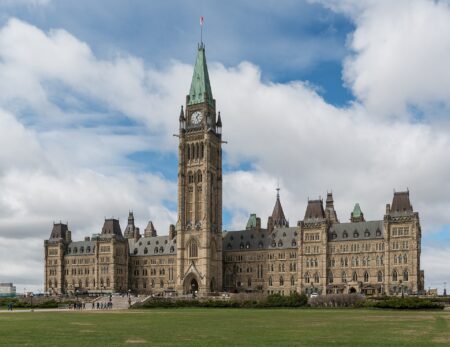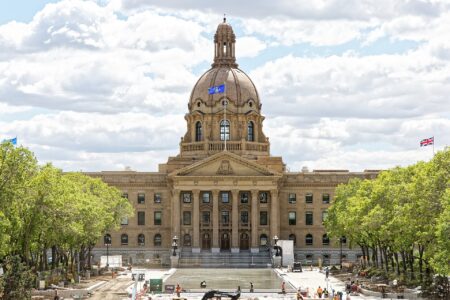






In recent years, Canada has witnessed a paradigm shift in its political landscape, significantly influenced by a slew of newly enacted policies. As the Liberal government, under Prime Minister Justin Trudeau, rolls out initiatives centered on climate action, healthcare reform, and social equity, the implications of these policies resonate far beyond the parliamentary floor. They catalyze public discourse, shape voter sentiment, and potentially realign political allegiances across party lines.
The Climate Action Agenda
One of the most profound changes in Canadian policy is the government’s ambitious climate action framework aimed at achieving net-zero emissions by 2050. The introduction of carbon pricing, along with incentives for green technologies and investments in sustainable infrastructure, marks Canada’s commitment to combating climate change.
Environmental organizations have largely applauded this agenda, citing the necessity for immediate action against climate change. However, critics argue that the measures may disproportionately impact low-income families who depend on fossil fuels for their livelihood. This dichotomy is evident in recent polls where public opinion reflects both support for climate initiatives and anxiety about their economic consequences.
“The government must ensure that the transition is equitable,” says Dr. Ellen Miller, an environmental policy expert at the University of Toronto. “Without strategic planning, we risk alienating a significant portion of the population.”
Healthcare Reform in the Spotlight
Another critical area seeing substantial policy shifts is healthcare. The COVID-19 pandemic revealed systemic vulnerabilities in Canada’s healthcare system, prompting urgent calls for reform. The Liberal government’s recent proposal aims to enhance mental health services and expand access to primary care.
However, just like with climate policy, there has been significant pushback. Provinces argue that the federal government’s plans may encroach on their jurisdiction, igniting debates that echo the long-standing tensions between federal and provincial powers in healthcare.
“Healthcare is traditionally a provincial responsibility. Any federal interference could lead to a legal battle,” warns political analyst Raymond Dubé. Critics from the Conservative Party contend that federal imposition will lead to inefficiencies in care delivery, arguing for a more decentralized approach that empowers provinces.
Social Policy and Equity
On the social policy front, the Liberal government has put equity at the forefront, implementing policies aimed at addressing systemic racism, promoting gender equality, and improving the rights of Indigenous peoples. The introduction of Bill C-15, aimed at harmonizing Canadian law with the United Nations Declaration on the Rights of Indigenous Peoples, has drawn widespread attention.
While these policies are seen as progressive milestones, they also ignite fierce debates. Conservative leaders assert that such measures could lead to divisiveness, arguing that the government should focus on unity rather than identity politics.
Political strategist Jessica Li notes, “The polarization of opinion on these issues can’t be underestimated. As new policies spark heated discussions, we may see a realignment of voter bases.”
The Role of Social Media
As new policies roll out, social media acts both as a platform for discussion and a battleground for political ideology. The rise of digital activism has played a significant role in shaping Canadian political discourse, particularly among younger voters.
Campaigns on platforms like TikTok and Twitter have mobilized youths around issues of climate action, social justice, and healthcare reform. “We are witnessing a generation that is not just politically aware but also actively engaged,” remarks Dr. Sarah Wong, a digital communications expert.
But along with the engagement comes polarization, as social media algorithms can create echo chambers that solidify existing beliefs. This digital divide could play a decisive role in upcoming elections, as parties strategize on how to reach diverse audiences.
Looking Ahead: The 2025 Federal Election
The ramifications of these newly implemented policies are likely to be most evident as Canada approaches the 2025 federal election. Parties are already gearing up to position themselves as either champions of change or defenders of traditional values. Polling data indicates a potential shift in voter alignment, especially among younger demographics who prioritize climate action and social equity.
“The upcoming election will be a litmus test for how well these policies resonate with the average Canadian,” predicts political scientist Dr. Mark Sweeney. “Voter response could either solidify the Liberal agenda or create an opening for opposition parties.”
As Canadians grapple with the impacts of these new policies, the dialogue surrounding them is as critical as the policies themselves. The political landscape is intricately woven with public sentiment, economic realities, and social movements. In navigating these changes, Canada’s political future remains an open question, one that will undoubtedly reflect the complexities of an evolving society.
In this moment of uncertainty and transition, one thing is clear: the conversation surrounding Canada’s political policies is more vital than ever.
Related Products
Follow Canada News Media
Get the day's top Canadian stories and our two daily 60-second news videos wherever you scroll.
X Threads Facebook Instagram LinkedIn TikTok YouTube Pinterest Reddit Substack Flipboard Newsletter RSS