



Navigating Trade Challenges: Canada’s Export Strategies in a Post-Pandemic World
As COVID-19 swept across the globe, it forced nations into unprecedented lockdowns, disrupting supply chains and stalling economies. Canada, with its vast resources and diverse markets, found itself at a significant crossroads. Now, as the world begins to emerge from the shadows of the pandemic, Canadian exports face a complex landscape filled with challenges and opportunities.
The State of Canada’s Exports
According to Statistics Canada, the total value of Canadian exports reached $539 billion in 2021, an increase of 18% from the previous year. The primary exports include crude oil, automobiles, and machinery. However, the post-pandemic world changes the dynamics of global trade, compelling Canada to reevaluate its strategies to maintain and grow its export capabilities.
Global Disruptions and Supply Chain Challenges
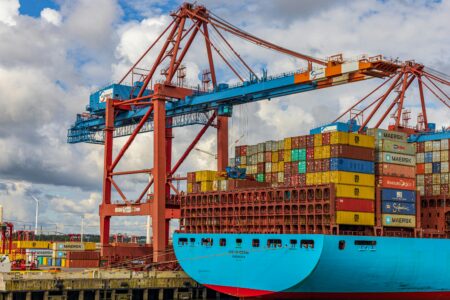
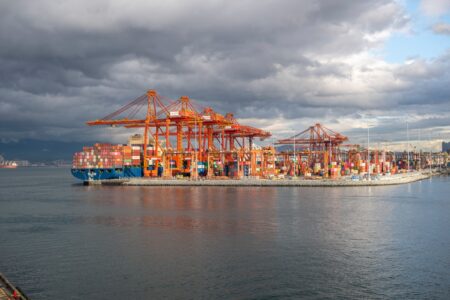
The pandemic exposed vulnerabilities in global supply chains. Shipping delays, increased freight costs, and trade restrictions ignited a ripple effect that significantly affected Canada’s export sector. “We’ve seen major shifts in consumer demand and trade patterns,” explains Peter Hall, chief economist at Export Development Canada. “Companies are reassessing their supply chains to ensure resilience.”
Canadian businesses, especially those reliant on international suppliers, face hurdles navigating the aftermath. The mounting costs and availability issues have forced many to rethink procurement and distribution strategies, emphasizing local sourcing and diversification.
Strengthening Trade Agreements
To bolster its export environment, Canada is actively enhancing its trade agreements. The USMCA (United States-Mexico-Canada Agreement), which replaced NAFTA, presents a significant opportunity for Canadian exporters. Focused on modernizing trade rules around digital commerce and labor standards, the agreement aims to create a more equitable trading environment.
Moreover, Canada’s recent agreement with the Comprehensive and Progressive Agreement for Trans-Pacific Partnership (CPTPP) reaffirms its commitment to tapping into the Asia-Pacific market. By targeting emerging markets and aligning regulations, Canada is set to expand its export horizons.
Green Exports: A Sustainable Future
The global shift towards sustainability presents Canada with an extraordinary opportunity. As nations strive to meet climate goals, Canadian companies are increasingly focusing on green technologies and sustainable practices. With abundant natural resources, Canada is well-positioned to lead in areas such as renewable energy, clean technology, and sustainable forestry.
For instance, Canada has emerged as a leader in hydrogen production, a clean fuel poised to reduce carbon emissions. The government’s investment in green innovation not only promotes domestic growth but also enhances Canada’s reputation as a sustainable trade partner, appealing to environmentally conscious nations.
Investing in Digital Trade
The pandemic accelerated the shift towards digital, and Canadian exporters are no exception. E-commerce has become a crucial component for reaching international markets. The Canadian government is now investing in digital infrastructure and innovation to support businesses adapting to these changes.
Digital platforms facilitate easier access to global consumers, enabling small and medium-sized enterprises (SMEs) to expand their reach. “Digital trade has leveled the playing field,” notes Jennifer MacKenzie, a digital trade consultant. “It provides Canadian exporters with the tools to tap into larger global markets with relatively low investment.”
Challenges Ahead: Geopolitical Tensions
While Canada works to strengthen its export landscape, geopolitical tensions are a lingering concern. The trade relationship with China has seen turbulence due to diplomatic disagreements and economic measures. These complexities provoke uncertainties, encouraging Canadian exporters to remain vigilant and adaptable.
Businesses are advised to diversify their markets as a hedge against geopolitical risks. By expanding into lesser-explored trade regions, such as Africa and Latin America, Canada can mitigate reliance on any single economy. This approach fosters resilience in uncertain times.
A Collaborative Approach for Future Success
To navigate the post-pandemic landscape, collaboration remains key. Government, industry stakeholders, and educational institutions must work hand-in-hand to adapt to changing demands and foster innovation. By leveraging shared insights, resources, and technology, the collective strength of Canada’s export sector can shine through.
As the world recovers from the pandemic, Canada’s export strategies must evolve. With a combination of resilient supply chains, innovative practices, and diversified markets, Canadian exporters can navigate the challenges ahead and seize new opportunities in a rapidly changing global economy.
Related Products
-
Sale!
LEGO Creator 3 in 1 Flatbed Truck with Helicopter …
Products Original price was: $24.99.$18.98Current price is: $18.98. -
Toilet Safety Rails, Adjustable Toilet Rails for E…
Products $62.99 -
Primacare D-3680 Pack of 12 First Aid Triangular S…
Products $14.01