



Published on October 20, 2023
By [Author Name]
The global supply chain landscape has started to resemble a game of Jenga, where every block pulled can lead to a towering collapse. In the aftermath of the COVID-19 pandemic, Canada has been confronted with unprecedented challenges that have laid bare vulnerabilities in its import supply chains. With ongoing geopolitical tensions, climate change, and shifting consumer behaviors, the country is gradually developing strategies to enhance resilience in its supply chains.
The Current Landscape
Canada, as one of the largest economies in the world, relies heavily on imports for various goods, ranging from electronics to raw materials. According to a report by Statistics Canada, the country imported approximately $569 billion worth of goods in 2021 alone. However, the disruptive effects of the pandemic prompted a reconsideration of traditional procurement practices.
Notable disruptions occurred in sectors like automotive manufacturing and consumer electronics, where delays in shipments led to increased costs and inventory shortages. Moreover, the Suez Canal blockage in March 2021 illustrated just how quickly global supply chains can become unbalanced, with impacts reaching far beyond the immediate area of disruption.
Strategic Initiatives for Resilience
To fortify import stability, the Canadian government and industry leaders are currently focusing on several strategic initiatives aimed at bolstering resilience.
Diverse Sourcing
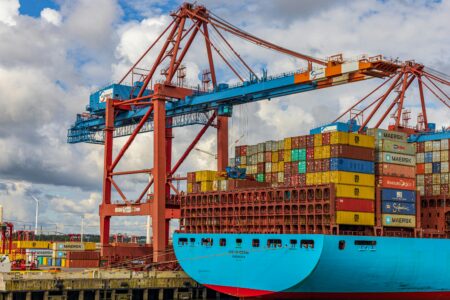
One key strategy involves diversifying sourcing channels. Canada has been historically reliant on a few countries for critical imports. The government is now encouraging businesses to explore alternative suppliers in different geographic areas, thereby reducing risk. Trade agreements with countries in Southeast Asia and Africa have been instrumental in this diversification effort, creating new pathways for goods and materials.
Technology and Innovation
Next, technology plays a critical role in enhancing supply chain transparency. The Canadian Supply Chain and Logistics Association (CSCLA) reported that the adoption of IoT (Internet of Things) and blockchain technology can provide real-time tracking and verification of shipments. Enhanced data analytics can also assist businesses in forecasting demand more accurately, allowing for a more proactive approach to inventory management.
Sustainability Efforts
Climate change is another pressing concern that is shaping supply chain resilience strategies. The Canadian government has committed to a net-zero emission target by 2050, and companies are increasingly being urged to adopt sustainable practices. Strategies such as local sourcing, reducing waste, and utilizing renewable energy not only contribute to environmental goals but also enhance supply chain stability by minimizing dependency on distant suppliers.
Public-Private Partnerships
Collaboration between the public and private sectors is paramount in advancing these supply chain strategies. The Canadian government has launched programs aimed at facilitating partnerships that encourage innovation. An example is the “Supply Chain Innovation Initiative,” which aims to provide funding for research projects focused on improving efficiency and robustness in supply chains.
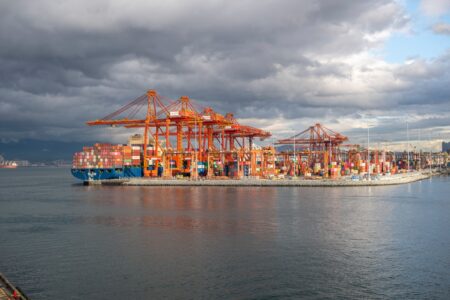
Equally important, organizations like the Business Council of Canada have been vocal advocates for increased investment in infrastructure, including ports and railways, which are crucial for efficient import and distribution processes.
The Role of Workforce Development
Another area that is receiving attention is workforce development. The complexity of modern supply chains demands a skilled workforce adept in logistics and technology. Educational institutions and trade schools across the country are upping the ante by introducing specialized programs aimed at equipping students with the necessary skills.
Moreover, businesses are looking to upskill their existing employees through training programs focused on new technologies and sustainable practices. A well-trained workforce not only increases efficiency but also fosters innovation within supply chains.
Challenges Ahead
Despite the promising strategies, challenges remain. The global nature of supply chains means that Canada cannot operate in isolation. Fluctuating geopolitical relations, particularly with major trading partners like the United States and China, can create uncertainty.
Additionally, rising freight costs and labor shortages can hinder progress. A report by the Canadian Federation of Independent Business (CFIB) indicated that many small to medium-sized enterprises are still struggling to recover from the economic impact of the pandemic, which makes it difficult for them to pivot toward more resilient supply chain practices.
A Path Forward
For Canada, the road to supply chain resilience is fraught with challenges but also abundant with opportunities. By diversifying sources, embracing technology, investing in infrastructure, and fostering public-private partnerships, the nation is taking significant steps toward stabilizing its import supply chains.
As the world continues to navigate uncharted waters, Canada is poised to emerge as a leader in supply chain resilience, setting an example for other nations to follow. The journey may be long, but the foundations laid today could lead to a more secure and stable future for Canadian imports.
Related Products
-
Sale!
LEGO Creator 3 in 1 Flatbed Truck with Helicopter …
Products Original price was: $24.99.$18.98Current price is: $18.98. -
Toilet Safety Rails, Adjustable Toilet Rails for E…
Products $62.99 -
Primacare D-3680 Pack of 12 First Aid Triangular S…
Products $14.01