



Canada, the second-largest country in the world, is navigating a multifaceted economic landscape marked by both challenges and opportunities. Emerging from the disruptions caused by the COVID-19 pandemic, the Canadian economy is experiencing a rebirth that blends traditional sectors with new technological advances and shifts in consumer behavior.
Current Economic Climate
As of 2023, Canada’s GDP growth is projected to be around 2.4%, according to the Bank of Canada. This growth is attributed to a strong labor market, which has seen unemployment drop to 5.2%—the lowest level since 1974. Yet, inflation remains a concern, hovering around 3.5%, prompting the central bank to tighten monetary policy to manage prices without jeopardizing economic recovery.
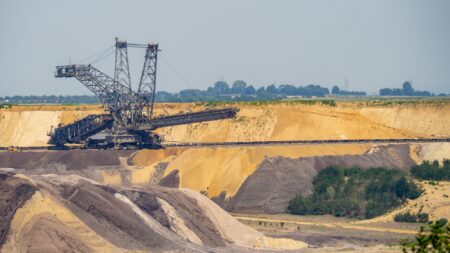
Notably, the energy sector remains a cornerstone of Canada’s economy, particularly oil and gas, which contribute nearly 10% of the country’s GDP. Rising global energy prices have provided a significant boost, especially in Alberta and Saskatchewan. However, this reliance on fossil fuels raises questions about sustainability and the need for diversification in the long term.
Emerging Trends Influencing Growth
Several key trends are shaping the future of Canada’s economy:
- Technology and Innovation: Canada is emerging as a global tech hub, especially in cities like Toronto, Vancouver, and Montreal. The Canadian tech sector has seen investment surge, with venture capital funding reaching record highs, driven by strong return on investment in artificial intelligence, fintech, and health tech.
- Green Energy Transition: The Government of Canada has committed to reducing greenhouse gas emissions by 40-45% below 2005 levels by 2030. This ambitious target has amplified investment in renewable energy and green technologies, creating thousands of jobs in sectors such as solar and wind energy.
- Aging Population and Labor Shortages: With Canada’s median age rising, businesses face a labor shortage that could hinder growth. Immigration is seen as a solution, with the government planning to welcome over 430,000 immigrants annually to fill gaps in various sectors.
The Real Estate Market: A Double-Edged Sword
The real estate market in Canada has exhibited unparalleled growth, especially in metropolitan areas like Toronto and Vancouver, where housing prices have skyrocketed by over 30% during the past three years. While this boom has bolstered wealth for homeowners, it has also exacerbated affordability issues for renters and first-time buyers.
In response, local governments are introducing policies aimed at increasing housing supply, such as zoning reforms and the construction of more affordable units. Analysts argue that these measures need to be implemented with care to ensure economic stability while addressing housing needs.
Trade Agreements and Global Influence
Canada’s economy is intricately tied to its trade relationships, particularly with the United States, its largest trading partner. The United States-Mexico-Canada Agreement (USMCA), which replaced NAFTA, has fostered closer economic ties, especially in the automotive, agriculture, and service sectors.
In addition to the USMCA, Canada is gradually expanding its trade horizons with Asia, Europe, and beyond. The Comprehensive and Progressive Agreement for Trans-Pacific Partnership (CPTPP) aims to enhance trade with 11 other Pacific Rim countries, positioning Canada as a conduit for goods and services across the Asia-Pacific region.
Future Predictions and Challenges
Looking ahead, economists predict a mixed bag for 2024 and beyond. The IMF projects a global slowdown, which may impact Canadian exports. However, strong domestic consumption is expected to sustain growth in the short term. Public investments in infrastructure, healthcare, and technology are also key to fostering future growth.
Challenges remain in the form of potential interest rate hikes that could restrain consumer spending and investment. Additionally, the transition to a greener economy may require substantial financial commitment and stakeholder collaboration to minimize disruptions in existing industries.
Conclusion
Canada’s economic path is a fabric woven with threads of tradition and innovation, resilience and adaptability. As the nation strides into a future marked by both uncertainty and possibility, maximizing growth will depend on its ability to harness these trends while addressing the systemic challenges ahead.
In a time of profound change, Canada stands at a crossroad. The decisions made today will shape the nation’s economic identity for decades to come, necessitating a careful balance between growth, sustainability, and inclusivity.
Sources: Bank of Canada, Government of Canada, International Monetary Fund (2023).
Related Products
-
mio Energy Peach Mango Energy Drink Mix, 2.4 g Pac…
Products $3.98 -
Food Storage Bags, 12”X20” Clear Plastic Produce B…
Products $26.59 -
Sale!
Tim Hortons Original Coffee blend, Single Serve Ke…
Products Original price was: $34.99.$31.97Current price is: $31.97.