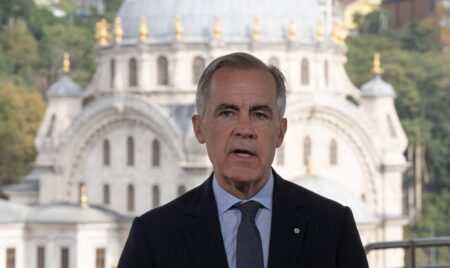






As Canada finds itself at a crossroads of economic uncertainties, the Bank of Canada is navigating tricky waters, balancing inflation rates, interest rates, and global economic pressures.
Established in 1934, the Bank of Canada (BoC) has long been a pillar of the Canadian economy, tasked with formulating monetary policy and maintaining financial stability. But in an increasingly interconnected world, the challenges facing the Bank have deepened and diversified, calling for innovative strategies and swift responses.
Global Economic Landscape
The global economy has undergone significant shifts in recent years, from the lasting effects of the COVID-19 pandemic to geopolitical tensions and supply chain disruptions. According to the International Monetary Fund, global growth is projected to slow to 3.0% in 2023, down from 6.0% in 2021. This slowdown directly impacts Canada, a nation highly reliant on exports and trade.
One of the most pressing concerns for the Bank of Canada is inflation. Following the pandemic, inflation rates surged across the globe due to supply chain issues, increased demand, and elevated energy prices. The BoC has implemented a series of interest rate hikes throughout 2022 and 2023 to combat the inflationary pressures that have been affecting not just Canada but also global markets.
Interest Rates and Inflation Response
In March 2022, the Bank began a series of rate increases, pushing its benchmark interest rate from a historic low of 0.25% to 4.50% by the start of 2023. “Raising interest rates is a double-edged sword,” says Stephen McMahon, an economist at RBC. “While it’s necessary to tame inflation, it can also stifle economic growth and increase borrowing costs for Canadians.”
The BoC’s primary aim is to maintain inflation at around 2%, but as of late 2023, the inflation rate hovered around 5%, leading to ongoing debates about monetary policy effectiveness. The challenge lies in finding the right balance—ensuring that Canadians can afford their mortgages and credit cards while also curbing inflation.
Impact on Consumers and Businesses
The weight of these decisions influences everyday Canadians. Higher interest rates mean higher mortgage payments and increased costs for businesses. Many small enterprises, particularly those in the retail and service sectors, face uncertain futures as consumer spending declines amid rising costs.
“The increased cost of borrowing is making it harder for us to invest in new initiatives,” explains Sarah Johnson, co-owner of a small café in Toronto. “We’ve had to rethink our expansion plans.” Small businesses like hers are essential to the Canadian economy, making up 98% of all businesses and employing nearly 70% of the labor force.
The Role of Communication
The Bank of Canada’s communication strategy has become crucial in navigating these economic uncertainties. Transparency and clarity in policy intentions are vital to managing public expectations and ensuring that the financial markets react appropriately.
In recent months, Governor Tiff Macklem has emphasized the need for patience. “We are monitoring economic indicators closely, and while rate adjustments may seem blunt, they’re necessary tools for managing inflationary pressures,” he stated in a press conference.
Climate Change and the Green Economy
Canada’s economic landscape is also undergoing transformation due to climate considerations. The shift towards a green economy has been a growing theme, aligning with global efforts to combat climate change. The Bank of Canada is exploring how climate risk factors into the nation’s economic outlook and monetary policy.
“Incorporating climate risk into monetary policy is essential for long-term stability,” says Emily Zhang, an environmental economist. The central bank is researching how to integrate climate-related financial risks into its decision-making framework, recognizing that the fallout from climate-related disasters can strain economic structures.
Looking Ahead
The BoC faces a unique set of challenges as the world emerges from a pandemic-riddled economy. Navigating global uncertainties requires an adaptive approach that acknowledges the interconnectedness of economic systems. According to Gary Rubin, a financial analyst at Scotiabank, “The road ahead is volatile, and the Bank’s decisions will reflect a complex landscape shaped by inflation, global events, and climate considerations.”
Looking towards the future, the Bank of Canada is keenly aware of its role in stabilizing the economy while remaining vigilant about the implications of its policies. “Being forward-thinking is crucial,” says Macklem. “We must prepare for the next set of challenges while addressing current concerns.”
Conclusion
The Bank of Canada operates at the intricate intersection of domestic policy and global influences. As it navigates fluctuating economic conditions, community voices and expert opinions become instrumental in shaping a resilient monetary policy that not only addresses current pressing issues but also lays the foundation for sustainable growth. As the world continues to change, the central bank’s ability to adapt serves not just the economy but the citizens who depend on it.
Sources: International Monetary Fund, Bank of Canada, RBC Economics, Scotiabank, Toronto Star
Related Products
Follow Canada News Media
Get the day's top Canadian stories and our two daily 60-second news videos wherever you scroll.
X Threads Facebook Instagram LinkedIn TikTok YouTube Pinterest Reddit Substack Flipboard Newsletter RSS