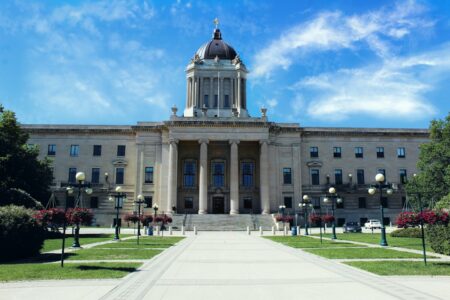


As Canada approaches the pivotal 2023 federal election, political analysts and citizens alike are focusing their attention on a spectrum of pressing issues that are set to shape the course of the campaign. With population waves of new voters and shifting socio-economic landscapes, parties must navigate complex terrain to resonate with their constituents. This feature breaks down the key issues driving the election narrative, while elucidating how they impact Canadian lives across various demographics.
Housing Affordability: A Crisis in Urban Centers
A consistent topic on the agenda is housing affordability, particularly in urban centers like Toronto, Vancouver, and Montreal. In the wake of skyrocketing real estate prices, many young Canadians and families are feeling the financial pinch. According to the Canadian Mortgage and Housing Corporation (CMHC), the average home price has surged over 30% in the last five years, leaving many to question their ability to enter the housing market.
Political parties are responding with a variety of proposals, encompassing everything from increasing housing supply to implementing stricter rent controls. The Liberal Party has pledged to build 1.4 million new homes by 2028, while the Conservative Party emphasizes easing zoning regulations to accelerate development. However, concerns surrounding sustainability and urban sprawl have also been voiced, complicating the debate.
Climate Change: An Urgent Call for Action
Environmental issues are also front and center in 2023, as Canada faces increasing climate-related disasters ranging from wildfires to flooding. The government’s commitment to reducing greenhouse gas emissions by 40-45% from 2005 levels by 2030 is under scrutiny.
The NDP has been vocal about increasing investments in green energy and technology, advocating for a just transition for workers in traditional energy sectors. In contrast, the Conservative Party has taken a more cautious approach, highlighting the need for economic stability alongside environmental initiatives.
With a young and increasingly involved electorate, candidates are aware that climate change is no longer a fringe issue, but rather a mainstream concern influencing voter behavior.
Healthcare: Strains on the Universal System
Canada’s universal healthcare system has long been a point of national pride, yet recent reports suggest that it is facing significant challenges. Long wait times, insufficient mental health resources, and and supply chain issues have all come to the fore, particularly in the wake of COVID-19.
The Liberal government is advocating for increased funding to provinces while emphasizing the need for better access to mental health services. The NDP is pushing for a national pharmacare program, which would provide universal prescription coverage as a means to ease financial burdens on Canadians. Meanwhile, the Conservative Party’s strategy includes looking at inefficiencies without compromising the universal nature of the program, calling for more resources directed towards operational reforms.
Indigenous Rights: Continuing Struggles
The plight of Indigenous peoples remains a sore spot in Canadian politics, with issues ranging from land rights to resource management. The Truth and Reconciliation Commission’s calls to action are still very much in the public consciousness, with voters demanding accountability from political leaders.
The Liberal Party has advocated for progress on land claims and improved resources for Indigenous communities, while the NDP emphasizes a more engaged approach in governance that involves Indigenous leaders in decision-making processes. The Conservative Party has faced criticism for its stance on Indigenous issues, with many questioning its commitment to reconciliation.
Economic Stability: Rising Inflation and Cost of Living
Inflation rates have surged globally, and Canada is no exception. The cost of living has risen dramatically, impacting everything from groceries to transportation. The Bank of Canada’s response, including interest rate hikes, has been met with a mixture of support and discontent from the public.
Political parties are framing their platforms around economic stability: the Liberals are touting job creation and wage growth, while the Conservatives focus on fiscal responsibility and tax cuts. The NDP, capitalizing on working-class discontent, is advocating for minimum wage increases and better labor rights, appealing to those struggling to make ends meet.
Conclusion: The Voter’s Voice
As diverse issues take center stage in the 2023 Canadian federal election, voters are presented with a spectrum of choices that reflect their values and priorities. The successful candidates will not only need to articulate clear plans to tackle these challenges but must also connect personally with constituents, fostering trust and engagement in an increasingly polarized political climate.
With the election date approaching, it remains to be seen which party will capture the hearts—and votes—of Canadians across the nation. The stakes are high, and the implications will ripple throughout the future of the country.
Related Products
-
Ninja NC301C, CREAMi Ice Cream, Gelato, Milkshake,…
Products $279.99 -
Sale!
TuTu 22-inch LED TV, 1080P FHD Flat-Screen TV with…
Products Original price was: $205.42.$165.38Current price is: $165.38. -
ACEMAGIC 2026 LX16 Laptop, 16-inch FHD (1920 x 120…
Products $699.99