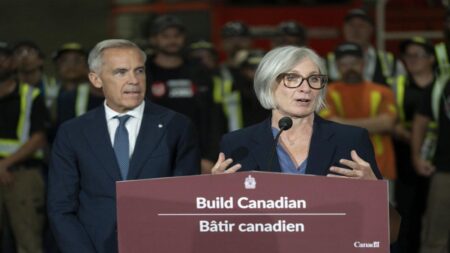






In recent months, Canada’s federal and provincial governments have enacted significant fiscal policy changes aimed at rejuvenating the economy and addressing growing concerns surrounding inflation, income inequality, and public service funding. As these policies begin to take shape, the potential implications for both citizens and the broader economy cannot be overstated.
Understanding Fiscal Policy
Fiscal policy refers to government spending and tax policies used to influence economic conditions. It is a critical tool that governments wield to manage economic growth, control inflation, and stabilize the overall economy. In Canada, fiscal policy has traditionally revolved around balancing the budget, ensuring public spending aligns with revenue generation through taxation.
Recent Changes in Fiscal Policy
The most recent fiscal amendments have included increased government expenditures, enhanced social programs, and tax reforms. Particularly notable are the government’s investments in infrastructure, healthcare, and education aimed at not just immediate relief, but also long-term economic growth.
For example, the 2023 federal budget introduced measures amounting to $35 billion in new spending over the next five years to support infrastructure projects aimed at enhancing productivity. This includes investments in green technology and public transportation aimed at reducing carbon emissions and promoting sustainable growth.
Impact on Canadians
The implications of these fiscal policy changes are far-reaching for everyday Canadians. On one hand, increased spending can stimulate economic growth and job creation. Infrastructure projects often lead to construction jobs, which have a cascading effect on local economies. Sectors such as manufacturing and services also benefit from enhanced transportation networks and utilities.
On the other hand, higher government spending can lead to increased public debt, raising concerns about long-term fiscal sustainability. Critics argue that continued deficits may result in higher taxes in the future, hitting everyday Canadians hardest. This sentiment is echoed by several economists who caution against profligate spending without corresponding revenue growth.
Inflation and Cost of Living
One of the biggest challenges facing Canada is inflation, which has been exacerbated in recent months by global supply chain issues and rising commodity prices. The fiscal measures being rolled out aim to counteract these trends, yet the relationship between government spending and inflation is complex. Increased spending could contribute to inflationary pressures by injecting more money into an economy already grappling with rising prices.
As of mid-2023, Canada has seen its inflation rate hovering around 6.8%, leading policymakers to carefully consider the timing and extent of fiscal interventions. While the aim of these policies is to empower citizens, if not managed properly, they may inadvertently lead to higher living costs and further strain household budgets.
Regional Disparities
Fiscal policy changes also highlight the existing regional disparities within Canada. Different provinces have faced varied economic challenges, which often lead to differing fiscal needs. For instance, Alberta’s economy, heavily reliant on oil and gas, contrasts sharply with Ontario’s manufacturing base or British Columbia’s technology sector.
The federal government’s recent budget proposes targeted fiscal measures to address these disparities by offering tailored support to struggling regions. However, detractors have raised concerns about the potential for political favoritism, which may lead to resentment among provinces that feel overlooked.
Tax Reforms
Tax reform has also been a focal point in these fiscal discussions. The introduction of a progressive tax structure aims to redistribute wealth more effectively, ensuring that higher earners contribute adequately to social programs. Proponents argue that such reforms are essential to curtailing income inequality and funding critical services.
However, the prospect of increasing taxes on high earners has ignited debate. Critics argue that higher taxes could hinder entrepreneurial growth and investment, ultimately impacting job creation. Balancing equity with economic growth remains a delicate technique for Canadian policymakers.
Conclusion
As Canada navigates these fiscal policy changes, it stands at a crossroads that will determine its economic trajectory for years to come. The interplay between government spending, taxation, and economic health will be pivotal in shaping the financial landscape for Canadians.
Citizens are advised to remain aware and engaged as these policies unfold, recognizing that their implications will reverberate across all sectors of the economy. The long-term effects of these fiscal measures will largely depend on careful implementation and ongoing assessment to ensure that the benefits of government action reach those in need while fostering sustainable economic growth.
Related Products
Follow Canada News Media
Get the day's top Canadian stories and our two daily 60-second news videos wherever you scroll.
X Threads Facebook Instagram LinkedIn TikTok YouTube Pinterest Reddit Substack Flipboard Newsletter RSS