




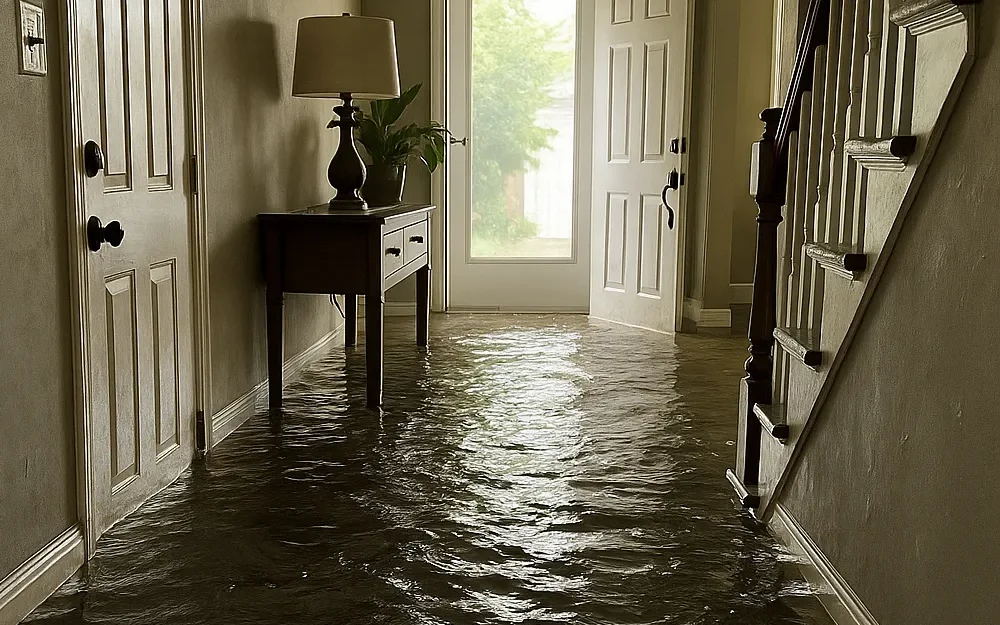
Basement flooding is becoming a more frequent problem for homeowners throughout Ontario. What was once considered a rare and extreme event is now happening more frequently, often catching homeowners off guard and leading to costly repairs. A combination of factors, ranging from intense storms to deteriorating infrastructure, is driving this increasing concern. Understanding what’s causing the increase in basement flooding is key to protecting your home and avoiding expensive, long-term damage.
The Growing Problem of Basement Flooding in Ontario
Over the past decade, many regions in Ontario have experienced heavier rainfall and more unpredictable weather patterns. Climate change has played a major role in this shift, leading to intense storms that overwhelm drainage systems and increase the risk of water entering homes. Intense rainfall within a short timeframe can exceed the capacity of both city sewer systems and residential drainage setups. At the same time, increasing urban development has limited the natural ground that once absorbed rainwater. Surfaces like concrete driveways, roads, and sidewalks block water from seeping into the soil, directing it instead into storm drains and sewer systems that can easily become overloaded. This combination of heavier rainfall and reduced absorption is a key reason why basement flooding is becoming more common.
Aging Infrastructure and Its Impact
Another major factor contributing to basement flooding is aging infrastructure. Many homes in Ontario were built decades ago, and their plumbing systems were not designed to handle the volume of water seen today. Old pipes, deteriorating weeping tiles, and outdated sump pump systems can all increase the risk of flooding.
Municipal systems are also under pressure. In older neighborhoods, sewer systems may not have been upgraded to accommodate population growth and changing weather conditions. This can result in sewer backups, which are among the most destructive forms of basement flooding.
The Growing Problem of Basement Flooding in Ontario
Over the past decade, many regions in Ontario have experienced heavier rainfall and more unpredictable weather patterns. Climate change has played a major role in this shift, leading to intense storms that overwhelm drainage systems and increase the risk of water entering homes. Intense rainfall within a short timeframe can exceed the capacity of both city sewer systems and residential drainage setups. At the same time, increasing urban development has limited the natural ground that once absorbed rainwater. Surfaces like concrete driveways, roads, and sidewalks block water from seeping into the soil, directing it instead into storm drains and sewer systems that can easily become overloaded. This combination of heavier rainfall and reduced absorption is a key reason why basement flooding is becoming more common.
Aging Infrastructure and Its Impact
Another major factor contributing to basement flooding is aging infrastructure. Many homes in Ontario were built decades ago, and their plumbing systems were not designed to handle the volume of water seen today. Old pipes, deteriorating weeping tiles, and outdated sump pump systems can all increase the risk of flooding.
Municipal systems are also under pressure. In older neighbourhoods, sewer systems may not have been upgraded to accommodate population growth and changing weather conditions. This can result in sewer backups, which are among the most destructive forms of basement flooding.
Common Causes of Basement Flooding
Understanding the most common causes can help homeowners identify potential risks early and take preventive action.
Heavy rain is a primary cause of basement flooding. When the soil becomes fully saturated, water can find its way in through cracks in the foundation or leak in through basement windows. Poor grading around the home can make this worse by directing water toward the foundation instead of away from it.
Sump pump failure is another frequent issue. A sump pump is meant to pump out excess water from around your foundation, but if it fails because of a power outage or mechanical issue, water can build up rapidly.
Blocked or damaged drainage systems also contribute to flooding. Clogged weeping tiles, collapsed pipes, or debris in drains can prevent water from flowing properly, causing it to back up into the basement.
The Cost of Ignoring the Problem
How Homeowners Can Prevent Basement Flooding
Basement flooding is not just an inconvenience. It can lead to serious structural damage, encourage mold growth, and pose long-term health risks.
Moisture intrusion can compromise your foundation, damage flooring and drywall, and destroy personal items. Additionally, mold can begin to develop within 24 to 48 hours after exposure to water, which can reduce indoor air quality and potentially cause respiratory issues. The financial impact can be significant. Repairs can cost thousands of dollars, especially if the flooding is severe or happens repeatedly. Insurance may cover some damages, but not all policies include protection against sewer backups or groundwater flooding.
How Homeowners Can Prevent Basement Flooding
Although basement flooding is occurring more often, homeowners can take several measures to lower their risk.
Maintain Proper Drainage Around Your Home
Start by ensuring the soil around your home slopes away from the foundation. This helps channel rainwater away rather than allowing it to gather near your basement walls. Regularly cleaning your gutters and downspouts is also essential. Make sure your downspouts release water several feet away from the house to prevent it from collecting near the foundation.
Check and Maintain Your Sump Pump
Your sump pump plays a crucial role in preventing basement flooding. Make sure to test it regularly to confirm it’s functioning properly. It’s also a good idea to install a battery backup so it can keep running during power outages, which are common during severe storms.
Check for Foundation Cracks
Even minor cracks in your foundation can let water gradually enter your basement. Check your walls and floors regularly for any signs of cracking or dampness. Sealing these cracks early can prevent larger issues later on.
Upgrade Older Plumbing Systems
If your home relies on outdated pipes or drainage systems, upgrading may be a smart move. Newer systems are built to manage larger volumes of water and are more reliable during periods of heavy rain. Making this investment can greatly lower the chances of flooding.
Install a Backwater Valve
A backwater valve is intended to prevent sewage from flowing backward into your home during a sewer backup. It’s particularly valuable in areas with aging municipal systems. Adding this device offers extra protection against one of the most severe and costly forms of flooding.
Use Professional Expertise When Needed
Sometimes, preventing basement flooding requires more than basic maintenance. Complex issues such as drainage design, foundation waterproofing, and sewer line inspections often require professional assessment. Many homeowners turn to expert plumbing solutions for water damage to identify hidden risks and implement long-term fixes that go beyond temporary repairs.
The Role of Preventive Maintenance
Routine maintenance is one of the best ways to reduce the risk of basement flooding. Conducting regular inspections, keeping systems clean, and checking for issues can help catch potential problems early before they turn into costly repairs. Homeowners who take a proactive approach are far less likely to experience severe flooding.
Scheduling periodic inspections of your plumbing and drainage systems can provide peace of mind. Experts can use advanced equipment to identify clogs, leaks, or structural issues that aren’t easily seen.
Preparing for Extreme Weather
With extreme weather becoming more common, preparation is key. Keeping an eye on weather forecasts and taking action before a major storm can make a big difference. Clearing debris from drains, testing your sump pump, and ensuring your gutters are clean are simple steps that can help protect your home.
It is also a good idea to store valuable items off the basement floor and use water-resistant materials where possible. These small changes can minimize damage if flooding does occur.
Final Thoughts
Basement flooding is an increasing issue for homeowners throughout Ontario, influenced by shifting weather conditions, aging infrastructure, and expanding urban development. Although the risk is rising, it can be managed. By identifying the underlying causes and taking preventative measures, homeowners can greatly lower the likelihood of water damage.
Investing time and effort into proper maintenance, system upgrades, and preventive measures can save thousands of dollars in repairs and protect your home in the long run. As conditions continue to change, staying informed and prepared is the best defence against basement flooding.
Related Products
Follow Canada News Media
Get the day's top Canadian stories and our two daily 60-second news videos wherever you scroll.
X Threads Facebook Instagram LinkedIn TikTok YouTube Pinterest Reddit Substack Flipboard Newsletter RSS