


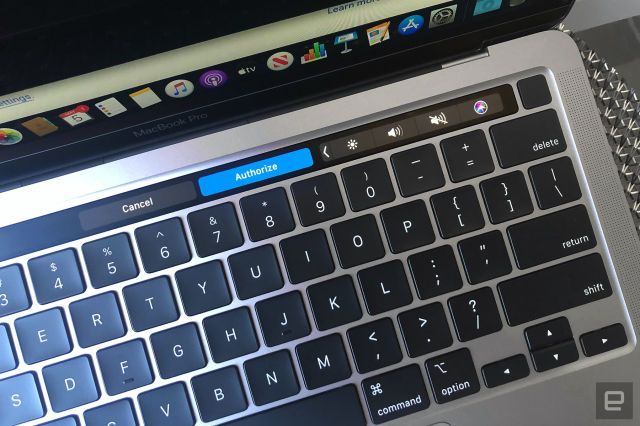

<p class="canvas-atom canvas-text Mb(1.0em) Mb(0)–sm Mt(0.8em)–sm" type="text" content="Kuo also said that the new Macs could be between 50 percent to 100 percent faster than their Intel-based counterparts, although he didn’t provide specifics. The Bloomberg story had the first ARM machine packing a 12-core processor.” data-reactid=”24″>Kuo also said that the new Macs could be between 50 percent to 100 percent faster than their Intel-based counterparts, although he didn’t provide specifics. The Bloomberg story had the first ARM machine packing a 12-core processor.
<p class="canvas-atom canvas-text Mb(1.0em) Mb(0)–sm Mt(0.8em)–sm" type="text" content=" ” data-reactid=”25″>
The analyst believed there would be a brand new MacBook design arriving in the middle of 2021, although he didn’t say whether or not that would be the purported 12-inch ARM-based MacBook.
There’s no guarantee things will pan out as Kuo described, even if he’s completely accurate. The COVID-19 pandemic and development hitches could delay a release despite Apple’s best intentions. A debut with smaller iMacs and MacBook Pros wouldn’t be surprising, mind you. ARM tends to fare best in mobile devices and other low-power hardware, and there might not be as many expectations around legacy support as there will be for higher-end systems. This also gives Apple more time to refine its ARM technology for premium Macs and, if necessary, to tweak designs based on real-world feedback.

Follow Canada News Media
Get the day's top Canadian stories and our two daily 60-second news videos wherever you scroll.
X Threads Facebook Instagram LinkedIn TikTok YouTube Pinterest Reddit Substack Flipboard Newsletter RSS