

The Halifax Regional Municipality’s real estate market is booming, but it’s proving to be a difficult year for homebuyers.
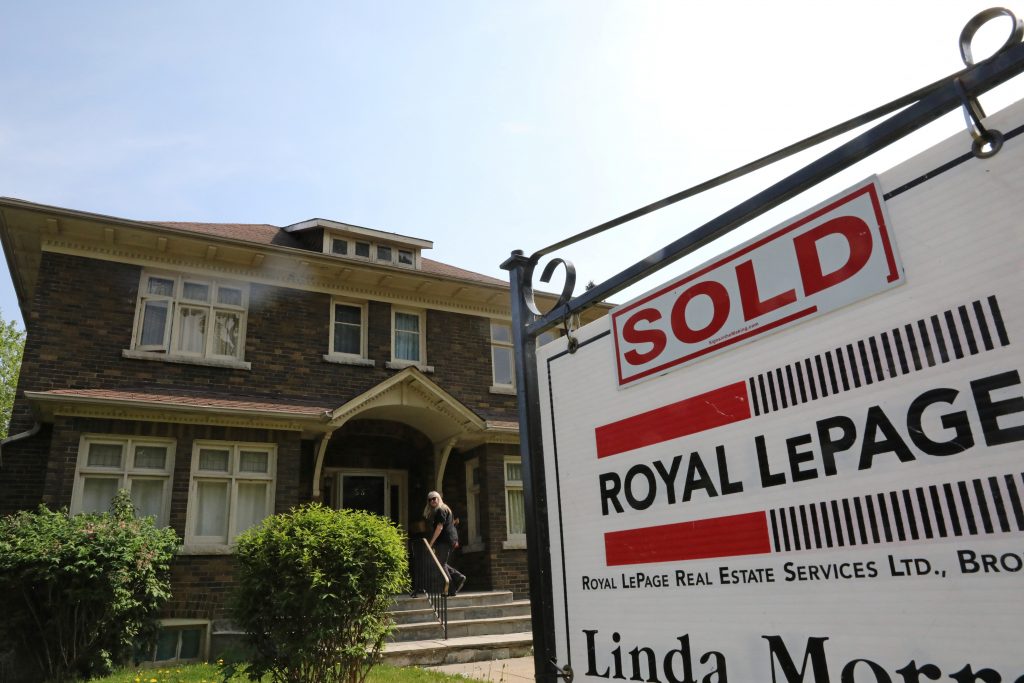
With high demand from homebuyers and a low supply of available properties, prices for homes in the Halifax Regional Municipality (HRM) have increased. Earlier this week, CBC News reported that in June, prices were up 17 per cent from last year while prices in July were up 11 per cent.
“What has happened over the past couple of months, especially over the summer, has been definitely eye-opening and definitely interesting from a data perspective,” realtor James Dwyer tells NEWS 95.7’s The Todd Veinotte Show. “What it seems to be is that we’ve been dealing with the pent-up demand that we traditionally would have in the spring market and the summer market combined.
“June, July and August have just been out of this world.”
Dwyer, a realtor for Engel & Völkers, says there are currently more than 1,200 houses for sale in the HRM. At this time in 2018, there were about 2,500 for sale; last year there were roughly 1,900.
On top of that, properties listed in 2018 would be on the market for an average of 34 days. This year, it’s an average of 10 days.
Dwyer says while there are some houses with abnormally high listing prices, the average house lists for five or 10 per cent above asking price. About 71 per cent of properties have sold for above asking price.
“The worry is, in the long term,” he says, “are we going to be seeing issues with that?”
Typically, the HRM’s real estate market is slow-growing and long term.
But this year, the market has pushed homebuyers to new lengths.
With many homebuyers outside of the Atlantic bubble, people are buying properties without even seeing them in person. Instead, they’re relying on virtual tours and plan to use their new homes to complete their 14-day self-isolation upon arrival.
Dwyer also says since home buyers want to purchase cheaper homes, people are looking at smaller markets including Chester and Windsor.
“Traditionally, they wouldn’t. They’d be looking more closer to be in the city,” he says. “But in order to get something more affordable, they’re starting to look out into those secondary markets to find homes.”