


Article content continued
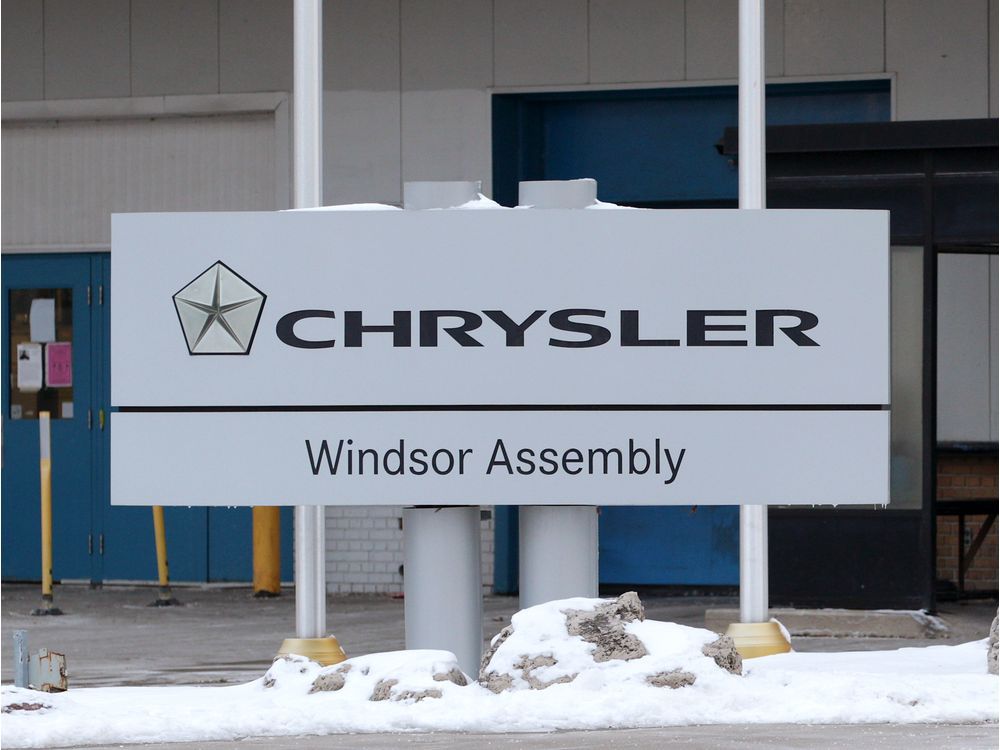
So the third shift is forecast to return in 2024, when mass production of the new vehicle begins. All 425 workers still laid off are expected to have the opportunity to be recalled plus another 1,500 are expected to be hired.
Here’s the but.
Workers will have to weather more layoffs before more jobs come back.
“We’ve got another down week coming. That’s already been announced,” said Dias. “I wish I could say with conviction that everything is going to be fine after the down week, but I really can’t say that.”
Everything is tied to consumer demand. Minivan sales are stable now, he said, “but it’s not like it was.”
There are also questions about the investment, said Automotive News Canada reporter John Irwin.
Normally, when negotiations lead to a new investment, that investment happens before the contract expires. Mass production of the new vehicle announced as part of this contract won’t start until 2024, after the contract expires.
But retooling for the new product will start in 2023, before the contract expires, Dias said.
The auto industry makes these decisions four to five years in advance, he said.
“If we had waited another three years to talk about this investment, it probably would have been in Mexico,” he said.
The agreement also doesn’t identify the vehicle to be produced, only that it will be a plug-in hybrid “and/or” battery-powered electric vehicle.
A key feature is that the platform will be flexible enough to build cars, crossovers or pickups, Dias said.