


/arc-anglerfish-tgam-prod-tgam.s3.amazonaws.com/public/ERSANGUD4NLALL4ENAV7D423GU.jpg)
Bombardier Inc. has once again slashed its financial estimates for 2019 on the back of continuing struggles in its rail unit, deepening investor concern that chief executive Alain Bellemare’s five-year turnaround can stay on track.
The Montreal-based plane and train maker also said it is weighing whether to pull out of its joint venture with Airbus and the Quebec government on the A220 airliner because of what could be onerous funding requirements. And it said it is pursuing further strategic options to speed up debt repayment, which could mean selling more real estate or other assets.
Bombardier shares tanked 33 per cent as they opened for trading Thursday on the Toronto Stock Exchange, to $1.20. The last time they were this low was March of 2016.
Mr. Bellemare is trying to get Bombardier back on course by making it a smaller and more profitable company focused on jets and rail equipment as part of a five-year turnaround effort that started in late 2015. Those business lines are more profitable and offer more growth prospects as the number of billionaires increases globally and cities seek more rail transit solutions for congestion, Bombardier executives have said.
Under the CEO’s leadership, Bombardier has already raised more than US$7-billion from governments and public markets, sold several businesses and cut thousands of jobs. After some encouraging signs of progress in 2017 and the first half of 2018, the company’s stock was starting to climb higher.
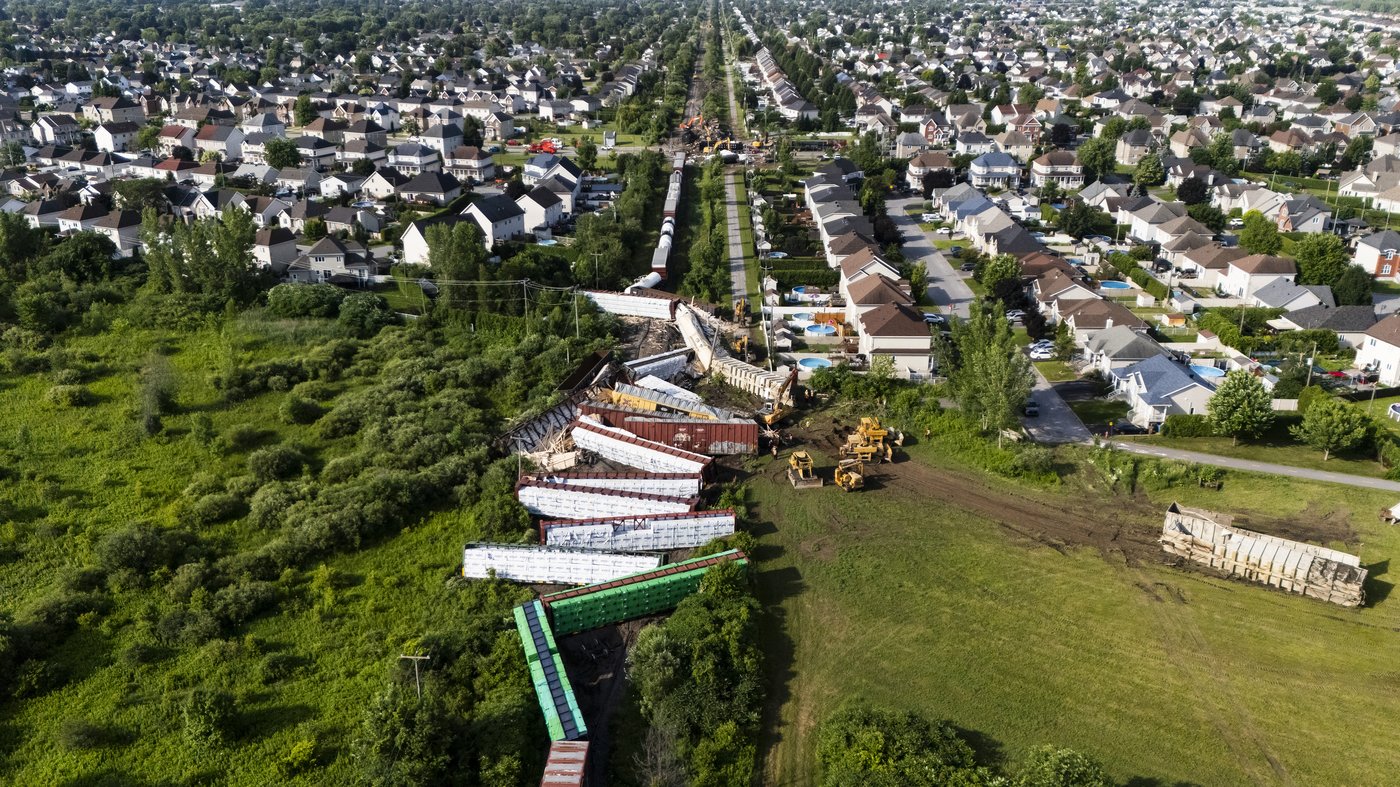
But the effort has hit some major stumbles since. Pushed to the brink by the cash-sucking development of its C Series airliner, Bombardier is now dealing with the completion of several legacy rail contracts that are wreaking havoc with its financial projections.
For the second time in 12 months, Bombardier issued a profit warning on Thursday that pinned much of the shortfall on trouble with big train contracts. It said it would record a fourth quarter loss of about US$230-million in its train unit, which includes a special charge related to certain projects in the United Kingdom as well as commercial negotiations with Swiss Federal Railways and increased production and manufacturing costs for projects in Germany.
“This is a significant setback,” BMO Capital Markets analyst Fadi Chamoun said in a note to clients. He noted that company executives had said in the summer that the worst might be behind the train unit, known as Bombardier Transportation.
The company now says adjusted earnings before interest and taxes will come in at about US$400-million for fiscal 2019, down significantly from the US$700-million to US$800-million it projected during its third quarter earnings report in August. Revenue should come in at about US$15.8-billion, down from a previous estimate of US$16.5-billion to US$17-billion, Bombardier said. The company now expects to burn through US$1.2-billion of cash for the year, more than twice as much cash as previously forecast.
At its annual investor meeting in December 2018, Bombardier highlighted five big rail contracts that were proving problematic in different ways. They included the US$630-million contract for New York’s Metropolitan Transportation Authority (MTA) in which Bombardier experienced production-related delays at its factories, and a US$1.8-billion contract with Swiss Federal Railways in which the company faced regulatory authorization issues.
Earlier this month, the MTA pulled about 300 Bombardier subway cars out of service because of unreliable door mechanisms. “Bombardier sold us lemons,” the city’s comptroller, Scott Stringer said at the time.
Despite the challenges, Bombardier insists it is making progress completing the legacy rail projects and taking the right actions for its future success. The business is led by Danny Di Perna, former head of Bombardier’s engineering and aerostructures unit.
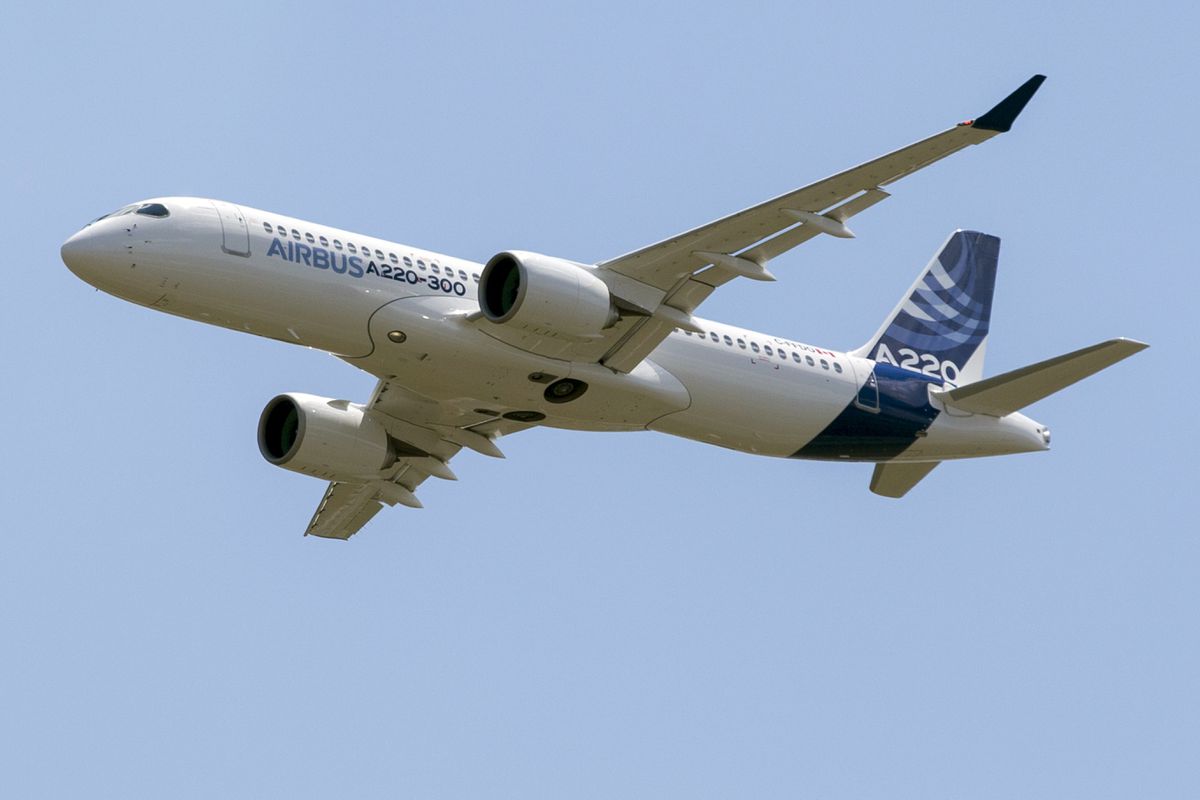
While Bombardier has exited commercial aviation, its joint venture with Airbus on the A220, formerly the Bombardier C Series, also poses a lingering challenge. Airbus is winning orders for the plane but the latest information of the joint venture’s financial plan calls for additional cash investments to support production increases while pushing out the break-even point and generating lower return over the life of the program, Bombardier said.
“This may significantly impact the joint venture value,” Bombardier said, adding it could take a write-down on the business when it reports fourth quarter results next month. The company said is weighing its continued participation in the joint venture but provided no other details.
Bombardier sold control of the A220 to Airbus in 2018. It holds a 33.58 per cent stake in the venture, while Airbus holds a 50.06 per cent stake and Quebec holds 16.36 per cent.
Bombardier is contractually committed to investing US$925-million over three years in the joint venture, spokeswoman Jessica McDonald said. Any investments required in the business beyond that is shared by the three partners according to their weight in the joint venture, she said.
Quebec is not required to put any additional funds into the venture but its share in the business would shrink accordingly, Ms. McDonald said. A spokesman for Quebec Economy Minister Pierre Fitzgibbon declined to comment Thursday on the government’s plans for the investment.
The final step in Mr. Bellemare’s turnaround plan is to cut Bombardier’s indebtedness and solve its capital structure. The CEO said Bombardier is “actively pursuing alternatives” that would allow the company to speed up debt repayment and strengthen its balance sheet but did not provide any more details.
Your time is valuable. Have the Top Business Headlines newsletter conveniently delivered to your inbox in the morning or evening. Sign up today.