


Article content continued
“We’re going to see more wells drilled in Alberta than we did in 2020 and all those need jobs,” McMillan said.
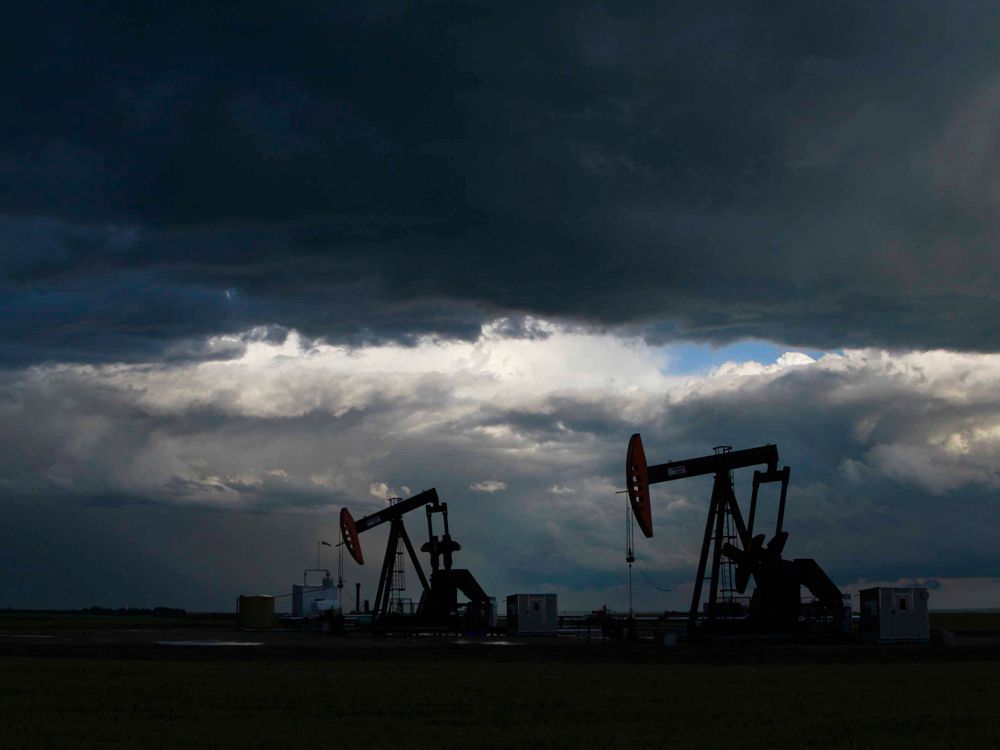
CAPP forecasts 3,300 new wells to be drilled in Canada in 2021, up from 3,000 drilled in 2020 but significantly lower than the 4,250 drilled in 2019.
The report also mentions the Keystone XL pipeline. Alberta has invested $1.5 billion into Keystone but the project’s future is far from certain. American president-elect Joe Biden has promised to block the pipeline when he comes into power though both the federal and Alberta governments have lobbied Biden not to follow through with that plan.
McMillan said CAPP’s predictions for 2021 would “largely remain the same” if Keystone is blocked, saying the calculation has redundancies and there are other projects underway such as the Trans Mountain expansion and Enbridge Line 3 pipeline projects.
“I think that there is a very strong case domestically for Keystone to be sustained. So I think we should be hopeful,” he said.
In a statement, Nina Lothian, director of fossil fuels at the Pembina Institute, said increases in investment in decarbonization will be necessary for the oil and gas sector to remain competitive in a carbon-constrained world.
“Until strong climate policy in Alberta is aligned with the direction in which the rest of the world is headed, and investors are confident that Alberta’s policy environment is stable and predictable, we are not likely to see heavy investments in oil and gas decarbonization,” she said.

Follow Canada News Media
Get the day's top Canadian stories and our two daily 60-second news videos wherever you scroll.
X Threads Facebook Instagram LinkedIn TikTok YouTube Pinterest Reddit Substack Flipboard Newsletter RSS