


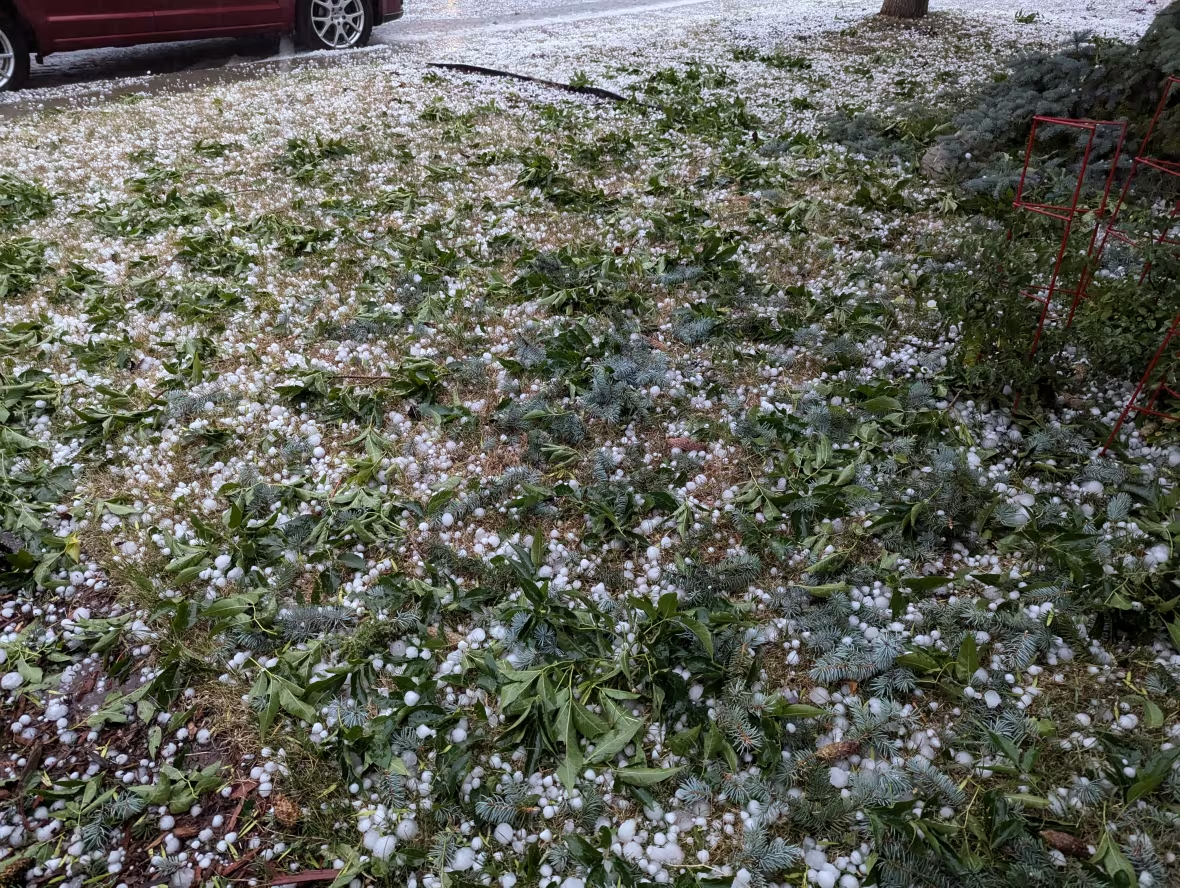
Thousands of Calgarians are grappling with the aftermath of a severe thunderstorm that struck Monday night, leaving a trail of destruction in its wake. The storm, characterized by baseball-sized hail, wreaked havoc on houses, vehicles, and infrastructure, particularly in the northern part of the city. The damage has evoked memories of the catastrophic 2020 hailstorm, which resulted in $1.3 billion in damages, and has left many residents and officials bracing for what could be another historic weather event.
The storm brought widespread damage, including shattered windows, dented roofs, damaged siding, and cracked windshields. Anne Marie Thomas from the Insurance Bureau of Canada (IBC) noted that while the full extent of the damage is still being assessed, early signs indicate that this week’s storm could be significant.
“There were approximately 70,000 claims as a result of that hail storm in June 2020,” Thomas said. “It won’t be known for about 30 to 45 days, it can take a while to determine the amount of insured damage when there are so many claims that come in.”
Residents’ Experiences
Robyn Robert, a resident of northeast Calgary, experienced the storm firsthand. Her windshield was cracked, and while she feels fortunate compared to some of her neighbours, she has encountered difficulties reaching her insurance representative due to the high volume of calls.
Thomas acknowledged that with the influx of claims, it might take days for adjusters to respond. In the meantime, she emphasized the importance of understanding insurance coverage and taking immediate steps to document and mitigate damage.
Navigating Insurance Claims
Thomas explained that coverage for hail damage to vehicles is contingent on having purchased ‘All Perils’ or ‘Comprehensive’ coverage. Without these, damage to vehicles from hail would not be covered.
“If your car is drivable, maybe take it into a body shop and get an estimate on what it would cost to fix it,” she advised.
For homeowners, most insurance policies will cover hail damage to windows and siding, but roof damage can be more complicated. If the shingles were already in poor condition, insurance companies might not cover the full cost of a new roof.
“If your shingles were 30 years old and ready to fly off anyway…your insurance company may not pay for a whole new roof,” Thomas explained. “That could have been part maintenance.”
Steps for Homeowners
Thomas recommends that homeowners take several steps to ensure they are adequately reimbursed for repairs:
- Document Damage: Keep photo documentation of all damages to present to insurance adjusters.
- Save Receipts: Hold onto any receipts for materials purchased for immediate repairs.
- Mitigate Further Damage: Take necessary steps to prevent further damage to your home, as insurance will reimburse for expenses incurred in doing so.
“You will be reimbursed for expenses you have incurred to mitigate damage to your home,” Thomas assured.
Looking Ahead
As Calgary recovers from this latest storm, residents and officials are left to assess the full scope of the damage. The Insurance Bureau of Canada will play a crucial role in helping residents navigate their claims and begin the rebuilding process. With the city still healing from the devastating 2020 hailstorm, the hope is that the lessons learned and improvements made since then will aid in a swifter recovery this time around.
In the coming weeks, as the extent of the damage becomes clearer, Calgarians will continue to work together, supporting each other through the challenges posed by yet another severe weather event.
Follow Canada News Media
Get the day's top Canadian stories and our two daily 60-second news videos wherever you scroll.
X Threads Facebook Instagram LinkedIn TikTok YouTube Pinterest Reddit Substack Flipboard Newsletter RSS