




The Omicron variant has sent fresh shockwaves across the globe, upsetting whatever semblance of normalcy the world had seen in recent months. In the United States, it has already dethroned Delta to become to dominant strain of the coronavirus, accounting for 73 per cent new infections last week.
But how will it behave in the future? What people should expect from the heavily mutated strain? Some health experts in the US have made comments in the last few days which paints a picture of days to come as the world tries to control Omicron.
WATCH: ‘Cancel events NOT life…’: How WHO chief warned against festive fervor amid Omicron spread
“Based on data from South Africa and Europe we can expect a significant increase in case numbers here in the US in the next several weeks,” De Stephen Goldstein, a professor at University of Utah, told Salon. “It is possible to likely that peak cases numbers will exceed last winter’s peak.”
Dr Monica Gandhi, infectious disease doctor and professor of medicine at the University of California-San Francisco, said that Omicron is “more transmissible and will cause a new wave of infection”.
This seems to be coming true. Omicron is responsible for an estimated 90 per cent or more of new infections in the New York area, the Southeast, the industrial Midwest and the Pacific Northwest. The national rate suggests that more than 650,000 omicron infections occurred in the US last week.
CDC Director Dr Rochelle Walensky said the new numbers reflect the kind of growth seen in other countries. “These numbers are stark, but they’re not surprising,” she said.
The healthcare authorities in New Zealand said they have found evidence that points to Omicron being the most transmissible Covid-19 variant, but they are still unclear how severe it is. The country has pushed phased border re-opening from January to February due to Omicron.
Singapore found a cluster of three Covid-19 cases in fully vaccinated people and Omicron was confirmed in two patients. The heavily mutated variant is believed to be more resistant to vaccines.
In South Africa, where it was first identified on November 24, and the United Kingdom have already been ravaged by Omicron.
“All of us have a date with Omicron,” said Dr Amesh Adalja, a senior scholar at the Johns Hopkins Center for Health Security. “If you’re going to interact with society, if you’re going to have any type of life, Omicron will be something you encounter, and the best way you can encounter this is to be fully vaccinated.”
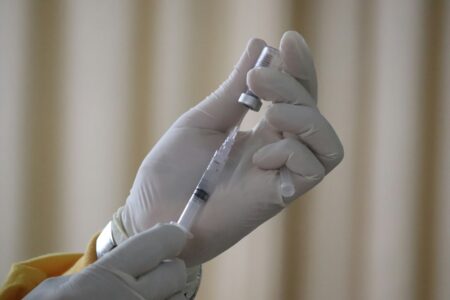
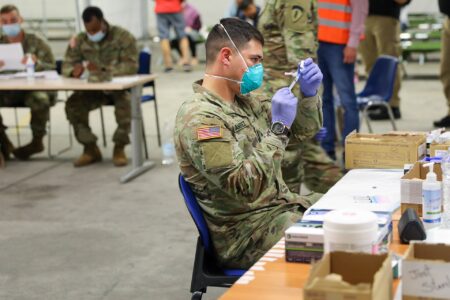
Many healthcare experts are urging people to take the vaccine shots. US President Joe Biden last week predicted “a winter of severe illness and death” for the unvaccinated.
Coinciding with the US President’s remarks, top federal health officials in the US predicted a new surge of Omicron cases in the country by January 2022, especially after holiday gatherings wrap up.

Follow Canada News Media
Get the day's top Canadian stories and our two daily 60-second news videos wherever you scroll.
X Threads Facebook Instagram LinkedIn TikTok YouTube Pinterest Reddit Substack Flipboard Newsletter RSS