





In an increasingly interconnected world, trade dynamics are continually evolving. Canada, the second-largest country by land area and the 10th-largest economy, finds itself at a strategic intersection of global trade routes. The nation’s trade landscape is shaped not only by its geographic advantages but also by a complex mixture of political, economic, and social factors.
The Landscape of Canadian Trade
Canada’s trade relationships are diverse, with significant partners including the United States, China, and Mexico. According to Statistics Canada, in 2022, exports accounted for approximately 30% of Canada’s GDP, illustrating the importance of trade to the national economy. Following the implementation of the United States-Mexico-Canada Agreement (USMCA) in 2020, Canadian exporters gained more stable access to American and Mexican markets, reinforcing a vital trilateral trade bloc.
Emerging Opportunities
As global demand shifts, Canada stands poised to take advantage of several emerging sectors. The clean technology sector, fueled by the urgency of climate change, represents a substantial opportunity. With government incentives and investments in renewable energy, Canada aims to become a leader in the transition to a low-carbon economy. The Canadian government has set ambitious targets for reducing greenhouse gas emissions, which could generate economic benefits tied to innovation and green jobs.
The Digital Economy
Another burgeoning opportunity lies within the digital economy. The rise of e-commerce and remote services has opened new avenues for Canadian companies, allowing them to reach international markets from anywhere in the country. For instance, the Innovation, Science and Economic Development Canada reports that digital tech firms are among the fastest-growing segments of the nation’s economy. Businesses that adapt to this shift stand to benefit significantly, particularly those that embrace innovative technologies and practices.
Trade Relations with China
Canada’s economic relationship with China is a double-edged sword. On the one hand, China remains one of Canada’s largest trading partners, particularly in the areas of natural resources such as oil, gas, and minerals. On the other hand, trade tensions and geopolitical conflicts have complicated these relations. In recent years, diplomatic disputes, such as the arrest of Huawei executive Meng Wanzhou, have led to a significant decline in trade. These challenges prompt Canadian policymakers to reassess their dependence on China while exploring alternative markets.
Challenges on the Horizon
Despite these opportunities, challenges loom large. The world economy is grappling with inflationary pressures, supply chain disruptions, and the aftereffects of the COVID-19 pandemic. These factors present significant hurdles for Canada’s export-oriented economy. According to the International Monetary Fund (IMF), global economic growth is expected to slow in response to these conditions, potentially dampening demand for Canadian goods.
Supply Chain Vulnerabilities
Supply chain vulnerabilities have come into sharper focus in recent years. The pandemic exposed weaknesses across various sectors, from food supply to manufacturing. As companies reassess their supply chains, there is a growing push for “nearshoring” or relocating production closer to home markets. This trend could ultimately benefit Canadian manufacturers, particularly if they focus on enhancing resilience and flexibility in their operations.
The Arctic Trade Routes
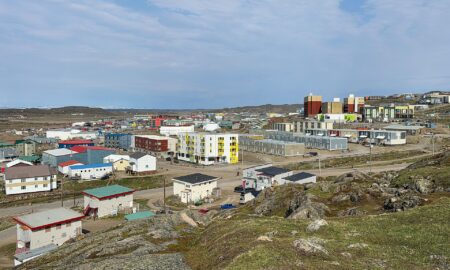
Canada’s geographic position gives it unique advantages in accessing emerging trade routes in the Arctic. As climate change melts Arctic ice, new navigation paths open, potentially reducing shipping times between Asia and Europe. However, these opportunities come with environmental and geopolitical risks. Canada must balance its pursuit of economic development with a duty to protect its ecosystems and engage diplomatically with neighboring Arctic nations. Establishing efficient management and monitoring frameworks will be essential for sustainable development in the region.
Investing in Human Capital
Another critical area for Canadian trade dynamics is investing in human capital. As industries evolve, there is an increasing demand for skilled labor in technology and green sectors. Educational institutions and governments are tasked with ensuring that the workforce remains adaptable and equipped to meet changing demands. Initiatives aimed at training and reskilling workers will be essential in preparing for the future job market.
Conclusion
As Canada navigates its trade dynamics, the interplay of opportunities and challenges will define its economic future. The government, businesses, and labor force must collaborate to harness the potential offered by emerging sectors while addressing the complexities associated with global trade relations. By adopting innovative trade policies, investing in clean technologies, and fostering a versatile workforce, Canada can position itself as a resilient player on the world stage. The path forward will require strategic foresight, adaptability, and a commitment to sustainable development—a balancing act that will shape the nation’s destiny in the years to come.
Related Products
Follow Canada News Media
Get the day's top Canadian stories and our two daily 60-second news videos wherever you scroll.
X Threads Facebook Instagram LinkedIn TikTok YouTube Pinterest Reddit Substack Flipboard Newsletter RSS