



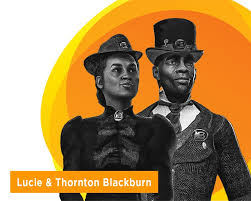
As we commemorate Black History Month in 2025, it’s important to spotlight the remarkable contributions of Black Canadians whose stories have shaped the country’s identity. One such story is that of Lucie and Thornton Blackburn, a couple whose courage and perseverance not only led them to freedom but also helped them build a legacy that contributed to the foundation of modern Toronto. Their journey from slavery in Kentucky to a new life in Upper Canada—what is now Ontario—serves as an enduring symbol of resilience, community building, and the fight for justice.
A Bold Escape: Fleeing Slavery
Lucie and Thornton Blackburn’s story begins in the 1830s when they were enslaved in Louisville, Kentucky. Thornton Blackburn, born in the early 19th century, lived much of his life under the oppression of slavery in the southern United States. His wife, Lucie, shared his fate. In 1831, they made a bold and dangerous decision: they fled to freedom in Detroit, Michigan, becoming one of the many fugitives using the Underground Railroad to escape the brutal conditions of slavery. At that time, Detroit was one of the last stops before crossing into Canada, a safe haven for Black people fleeing slavery.
Unfortunately, their initial escape did not go unnoticed. Their former enslaver tracked them to Detroit, seeking to reclaim them under the U.S. Fugitive Slave Act. The couple was arrested and faced a future of being returned to the hellish conditions they had fled. However, their determination and the support of the local Black and abolitionist communities would not let their story end there.
The Detroit Uprising: An Iconic Escape
The arrest of the Blackburns sparked widespread outrage, particularly within the Black community in Detroit. Their case drew national attention and became a symbol of resistance against the injustices of slavery. The abolitionists in Detroit, including Black residents and white allies, staged a massive protest in 1833. Riots broke out as the Black community united to prevent the Blackburns from being sent back into bondage. In the chaos, the Blackburns managed to escape yet again, this time making their way across the Detroit River to Canada.
The Blackburns’ dramatic flight was seen internationally as a significant event in the fight against slavery. Their success in reaching Upper Canada and the Canadian courts’ refusal to extradite them back to the United States became a beacon of hope for other enslaved individuals seeking freedom. Canada, particularly Upper Canada, was solidifying its reputation as a sanctuary for Black refugees escaping the horrors of slavery.
Building a New Life in Toronto
Once in Canada, the Blackburns settled in Toronto in 1834, then known as York. Their arrival in Upper Canada marked not only their personal freedom but also the beginning of their deep involvement in their new community. Despite being fugitives, the Blackburns wasted no time making their mark in the burgeoning city of Toronto.
Thornton Blackburn became an entrepreneurial trailblazer, operating the first horse-drawn cab service in Toronto, which earned him a lasting legacy as a key figure in the city’s transportation history. His cab business became a staple of Toronto’s early infrastructure, setting the foundation for public transit in the city. Lucie, too, made her contributions to the community, although her specific roles are less documented; her partnership with Thornton indicates her integral role in their success.
Beyond their business ventures, the Blackburns were ardent abolitionists. They worked tirelessly to assist other Black refugees arriving in Canada through the Underground Railroad. The Blackburns were instrumental in helping new arrivals settle, find jobs, and integrate into Canadian society. Their home became a meeting place for other freedom seekers and abolitionists, solidifying their reputation as leaders in Toronto’s growing Black community.
A Lasting Legacy: Discovery of the Blackburns’ Home
The story of Lucie and Thornton Blackburn did not fade into obscurity. In 1985, more than 150 years after they had fled to Canada, archaeologists made a remarkable discovery in downtown Toronto: the remains of the Blackburns’ home. This was an extraordinary find that reignited interest in their story and shone a light on their contributions to Canadian history. The archaeological dig became one of the most highly publicized in Canadian history, revealing artifacts that painted a picture of the Blackburns’ life in Toronto and their role in shaping the city’s early Black community.
In her critically acclaimed book, I’ve Got a Home in Glory Land: A Lost Tale of the Underground Railroad, historian Karolyn Smardz Frost meticulously researched the lives of Lucie and Thornton Blackburn. Frost’s work provides a comprehensive account of the Blackburns’ journey from enslavement in Kentucky to freedom in Ontario. The book won the Governor General’s Literary Award for Non-Fiction in 2007, bringing even more attention to this incredible story of resilience and resistance.
“I think what Lucie and Thornton Blackburn represent is the power of ordinary people to do extraordinary things,” Frost said in an interview. “They weren’t famous, they weren’t wealthy, but they had an unshakable belief in their right to be free. And they did everything they could to secure that freedom, not just for themselves but for others.”
The Importance of Remembering the Blackburns in 2025
In 2025, as we celebrate Black History Month, the story of Lucie and Thornton Blackburn serves as a potent reminder of the systemic challenges Black Canadians have faced and continue to face. While their escape from slavery and success in Toronto exemplify the triumph of the human spirit over adversity, their story also highlights the importance of Canada as a place of refuge for those fleeing oppression.
Their legacy prompts reflection on the ongoing struggles for racial justice and equity in Canada today. Black Canadians continue to confront systemic racism, barriers to economic success, and the legacies of colonialism that still affect marginalized communities. The Blackburns’ story reminds us that while progress has been made, the fight for equality and justice remains unfinished.
As we honor Lucie and Thornton Blackburn’s contributions, it is also important to acknowledge the work that still needs to be done to support Black Canadians and other marginalized communities. Their story is not just one of historical significance; it is a call to action to continue fighting for the rights, freedoms, and dignity of all people.
Voices from the Community
Many Black Canadians see the story of the Blackburns as both an inspiration and a challenge to modern-day Canada. David Shepherd, a Black Canadian politician from Alberta, reflected on the importance of recognizing the contributions of Black Canadians like the Blackburns:
“The Blackburns’ story is a testament to the strength, resilience, and determination of Black people in Canada. It shows that we have always been here, contributing to the development of this country despite the odds stacked against us. But it also reminds us that the fight for equality is ongoing.”
Similarly, Deborah Dobbins, a community activist and educator in Toronto, spoke about the need to keep these stories alive:
“Lucie and Thornton Blackburn’s story is one that should be taught in every school in Canada. It’s a story of courage, but it’s also a story about the importance of community and solidarity. They didn’t just escape for themselves—they helped others, and that’s the kind of spirit we need to foster in our society today.”
Honoring the Blackburns and Building a Better Future
As Black History Month 2025 progresses, the story of Lucie and Thornton Blackburn is a powerful reminder of the contributions of Black Canadians to the country’s history and culture. Their journey from slavery to freedom, their entrepreneurial spirit, and their commitment to helping others serve as a beacon of hope and resilience.
While celebrating their legacy, it is crucial to continue addressing the systemic barriers that still exist for Black Canadians today. Lucie and Thornton Blackburn’s story is not just a chapter in Canada’s past—it is a reminder of the work that remains in building a more just and equitable society.