





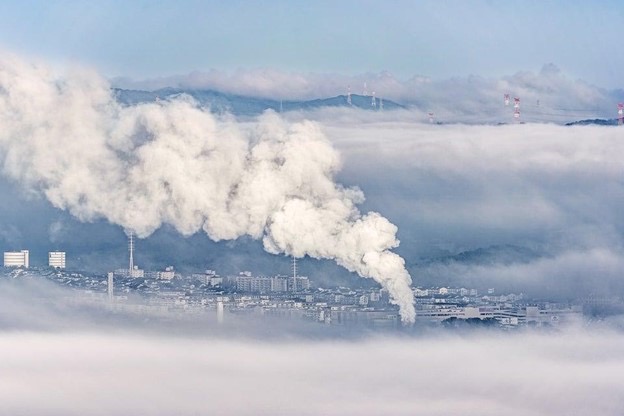
Canada’s annual average temperature increased by 1.9C from 1948 to 2021. According to the Government of Canada, northern regions exhibited an increase in annual mean temperature three times over the global mean warming rate.
Climate change affects food security, biological diversity, and people’s health. Many believe that Canada’s dealing with a climate crisis and wondering what’s been done to combat it. Here’s a quick overview of the current situation and the plans the government has available to tackle this problem.
What’s the Current Climate Situation in Canada?
According to the last update from the Climate Action Tracker, the action taken by Canada has been rated as “highly insufficient.” That means the country isn’t in line with the global agreement made in Paris to stick to the 1.5C limit.
Furthermore, CAT experts believe the emission reduction target by 2030 is only enough to be in line with a 4C warming. They warn that Canada should strengthen their climate policies and targets while offering more support to others to reach set goals.
Canada’s 2030 Emissions Reduction Plan
The plan for reducing emissions by 2030 was adopted in March 2022, and the government itself describes it as achievable but ambitious. The idea is to lower emissions in 2030 by 40% when compared to 2005. It’s worth noting that Canada has a plan to achieve net-zero emissions by 2050.
According to this plan, the country will invest over $9 billion to promote pollution-cutting effects. The strategy includes:
- Improving electric vehicle infrastructure. People who want to purchase ZEVs (zero-emission vehicles) can hope for financial support.
- Greening buildings and homes. The idea is to adopt revised building codes that are in line with the environmental goals.
- Clean energy projects. These include investing in solar and wind power, electricity, and other projects.
- Reduce gas and oil emissions. It seems to be the most ambitious part of the plan, especially since Canada keeps supporting the Trans Mounting pipeline and exporting LNG to Europe.
Some other details include empowering farmers to implement sustainable practices and communities to launch climate action projects.
What Can You Do to Help with Climate Change?
Collective action is important to restrict climate change, and some suggestions for individuals include the following:
- Consider how you travel. Use public transport or walk when possible. If you are heading to far destinations, consider not taking frequent long-distance flights. For example, if you want to go to Vegas to enjoy casino games, consider playing online roulette while at home, which can provide immersive fun while reducing your carbon footprint.
- Use LED lightbulbs and energy-efficient appliances. Many modern appliances come with an energy efficiency rating.
- Eat veggies to reduce a carbon footprint. It takes less energy and greenhouse gas emissions to produce vegetables. Apart from lowering your carbon footprint, this is a healthy diet that could help you lose pounds and manage weight.
- Focus on reusing and recycling items. Consider shopping for second-hand clothes and not purchasing anything you don’t absolutely need. Consider donating the items you don’t need anymore, and make sure to recycle those that you throw away properly.
A Healthy Environment and a Healthy Economy
The federal authorities adopted this long-term plan in 2020, and its goal is to secure a future with a healthier environment and economy. The main principles of this plan include the following:
- Making energy-efficient structures more affordable. The idea is to make locations where Canadians live easier to purchase, maintain, and upgrade while ensuring houses and buildings energy-efficient.
- Affordable and eco-friendly transportation. From clean electricity supply to ZEVs and other details, the idea is to reduce congestion while making communities healthier.
- Carbon pollution pricing. The idea is for pollution to be pricey but ensure that the households get back more than they pay.
- Achieving a clean industrial advantage. The country aims to focus on “Made in Canada” services and products with low carbon footprints.
- Embrace the power of nature. Restoring and conserving natural spaces while planting billions of trees is another way to reduce pollution and fight climate change.
The government has released the final National Adaptation Strategy for comments. It’s the first strategy of this type that was designed by working with Indigenous People, municipal, territorial, and provincial authorities, as well as other relevant platforms. The idea is to design shared priorities and unite everyone across Canada to take joint action to decrease climate change risks.
Final Thoughts
Scientists are racing to find the most effective climate change solutions, with the potential options leaving them divided. However, they agree on one thing – it’s necessary to take strong action in the soonest possible timeframe.
Canada has already adopted a climate change action plan, and the only question is if it’s aggressive enough. It remains to be seen whether some changes to the strategy will be made in order to reach the long-term goals of dealing with the climate crisis.
Follow Canada News Media
Get the day's top Canadian stories and our two daily 60-second news videos wherever you scroll.
X Threads Facebook Instagram LinkedIn TikTok YouTube Pinterest Reddit Substack Flipboard Newsletter RSS