


/arc-anglerfish-tgam-prod-tgam.s3.amazonaws.com/public/7QMAWYSREZGPJFJDZDG5T7KDNY.JPG)
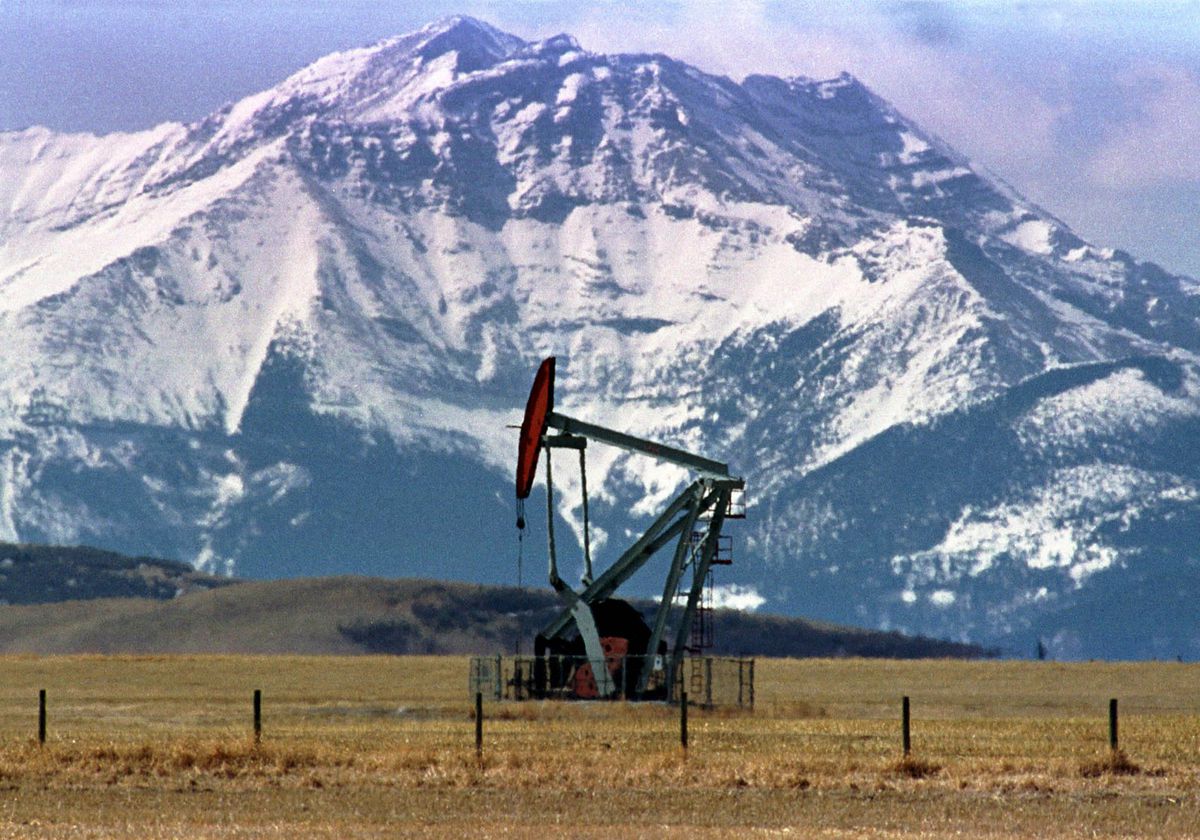
Canada’s economic outlook has notably darkened after discord among major oil producers has led to an all-out price war that’s sent crude tumbling.
Benchmark oil prices are down nearly 20 per cent on Monday after talks among the Organization of the Petroleum Exporting Countries (OPEC) faltered last week. After the cartel failed to agree on output targets, Saudi Arabia has slashed its oil prices, and both it and Russia are poised to ramp up production in a bid to gain market share and suppress U.S. companies.
Before the OPEC troubles, oil prices had already been hammered in 2020 on weaker demand due to the coronavirus outbreak. As of midday Monday, Brent crude was trading around US$37 a barrel and U.S. benchmark West Texas Intermediate at roughly $34; both had entered 2020 above US$60 a barrel.
“From a Canada perspective, the timing clearly couldn’t be much worse,” Benjamin Reitzes, Canadian rates and macro strategist at Bank of Montreal, said in a client note.
The Canadian economy nearly ground to a halt in the final quarter of 2019, although a rebound was expected this year as temporary disruptions faded. But with the emergence of COVID-19 and its rapid spread throughout the world, the economic outlook has worsened both at home and abroad, and lower crude prices deliver another headwind to growth prospects.
BMO updated its outlook for Canadian economic growth on Friday, projecting that real gross domestic product would decline by 0.5 per cent in the second quarter.
“Unfortunately, the updated forecasts may be due for another round of slicing due to the sharp drop in oil prices and ongoing broader market gyrations,” said Mr. Reitzes.
Bank of Canada Governor Stephen Poloz recently warned of the impact from lower commodity prices.
“Commodity prices are a very important channel for transmitting international shocks to the Canadian economy,” he said Thursday in a speech. “With the oil-producing regions of our economy already stressed, this shock can only deepen,” he added.
Alberta Premier Jason Kenney recently said a virus-related economic downturn could dash his government’s plans to balance the provincial budget within two years. In the recent budget, the Alberta government projected WTI would average US$58 a barrel in the coming year – a forecast that many observers said was overly optimistic, given recent price struggles.
The budget also noted that, for every US$1 its oil-price assumptions were off, revenue would swing by roughly $355-million.
“That’s precisely why we need to make very conservative projections and very prudent forecasts when budgeting in a province like Alberta,” Trevor Tombe, a University of Calgary economics professor, told The Globe last month. “This budget goes in the opposite direction, and has some pretty aggressive and pretty optimistic projections. If it pans out, it will be because of pure good luck, not because of foresight.”
With a report from James Keller
Your time is valuable. Have the Top Business Headlines newsletter conveniently delivered to your inbox in the morning or evening. Sign up today.