


By: [Your Name] | Date: [Publication Date]
As the global economy emerges from the shadows of the COVID-19 pandemic, Canada’s manufacturing sector is displaying a remarkable resilience, adapting to a landscape shaped by profound challenges. With disruptions in supply chains, labor shortages, and rising costs, the industry is not only holding its ground but is also poised for significant growth.
The Backbone of the Economy
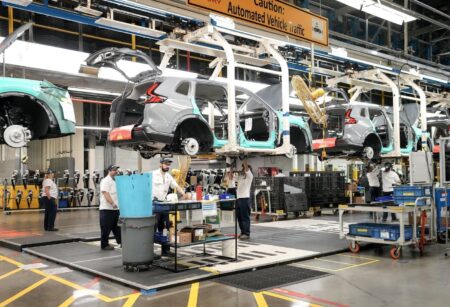
Canada’s manufacturing sector remains a critical pillar in the country’s economy, contributing about 10% to Canada’s GDP and employing over 1.7 million Canadians. From automobiles to aerospace and machinery, manufacturing encompasses a diverse array of industries that drive innovation and economic prosperity.
According to a report from the Canadian Manufacturers & Exporters (CME), the sector has shown a strong rebound, with a projected growth rate of over 4% in 2023. Despite uncertainty in global markets, Canadian manufacturers are leveraging advanced technologies and sustainable practices to enhance productivity.
Adapting to Supply Chain Disruptions
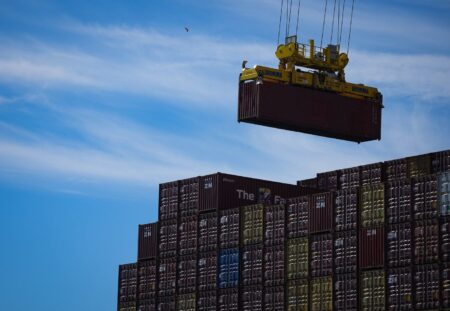
The COVID-19 pandemic exposed vulnerabilities within global supply chains, compelling Canadian manufacturers to rethink their strategies. Companies that relied heavily on international suppliers now face the imperative of localization. By bringing production closer to home, businesses aim to mitigate risks associated with global disruptions.
For instance, companies like Magna International have invested in localizing production to ensure a steady supply of parts to their automotive clients. “The pandemic taught us that resilience is crucial. We need to mitigate risks and ensure we have reliable suppliers close to home,” explains Swamy Kotagiri, CEO of Magna.
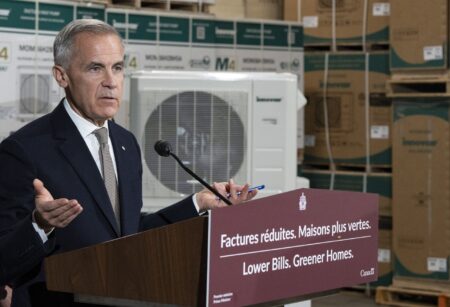
Additionally, governments at both federal and provincial levels have begun to encourage domestic manufacturing through incentives and supportive policies. The recent National Supply Chain Task Force is one such initiative aimed at enhancing the resilience of Canadian supply chains.
Embracing Technology and Innovation
In the face of daunting challenges, Canadian manufacturers are increasingly turning to automation and advanced technologies. The integration of Industry 4.0 and smart manufacturing processes have revolutionized operations, making them more efficient and competitive on the global stage.
Consider the rise of artificial intelligence (AI) and the Internet of Things (IoT) in production environments. Companies like Bombardier are employing AI to optimize manufacturing processes, reduce waste, and streamline productivity. “Embracing technology is no longer optional; it’s essential for survival and growth,” says Pierre Beaudoin, Executive Chairman of Bombardier Inc. “We are committed to leveraging advanced technologies to enhance our operations and deliver high-quality products.”
Addressing Labor Challenges
While technology plays a pivotal role, the sector is grappling with a significant labor shortage. According to Statistics Canada, roughly 40% of manufacturers reported difficulties in finding skilled labor. Aging demographics and the shift toward more advanced skill requirements have exacerbated this issue.
To combat this, manufacturers are investing in workforce development and training programs. Partnerships with educational institutions have been strengthened, creating pathways for students to enter the manufacturing workforce. Organizations like Skills Canada are working tirelessly to bridge the gap between education and industry standards.
Increased focus on diversity and inclusion is also becoming common. By embracing a broader workforce, companies can tap into new talent pools. “Diversity drives innovation. By including different perspectives, we are better equipped to solve complex challenges,” emphasizes Tara McCarthy, Chief Operating Officer at a leading textile manufacturer.
Commitment to Sustainability
Sustainability is another driving force behind the transformation of Canada’s manufacturing sector. As global awareness about climate change grows, manufacturers are seeking to reduce their carbon footprints and implement sustainable practices. The Government of Canada has set ambitious goals to reduce greenhouse gas emissions, pushing the industry toward greener solutions.
Innovations in sustainable materials and eco-efficient processes are at the forefront of this movement. Companies like Canfor, specializing in forestry products, are adopting sustainable forestry practices and aiming for carbon neutrality by 2035. “It’s not just about compliance; it’s about being a responsible corporate citizen in our community,” states Don Kayne, CEO of Canfor.
The Road Ahead
Looking forward, Canada’s manufacturing sector is poised at an intersection of opportunity and challenge. With proactive government policies, investment in technology, and a commitment to workforce development and sustainability, the industry is set to thrive even amidst global uncertainties.
While there will be bumps along the road, the resilience shown by Canadian manufacturers suggests that they will continue not just to weather the storm but to emerge stronger. As the economy evolves, Canada’s manufacturing sector will undoubtedly remain a resilient force, vital to the nation’s growth and prosperity.
Related Products
Follow Canada News Media
Get the day's top Canadian stories and our two daily 60-second news videos wherever you scroll.