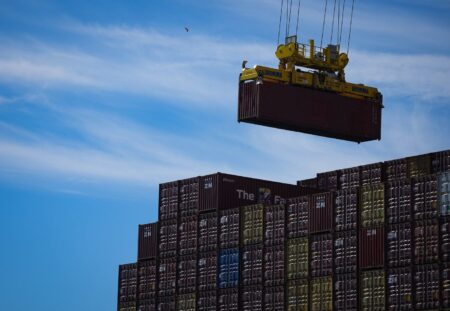



As Canada emerges from the shadows of the COVID-19 pandemic, its trade landscape is undergoing significant transformations. The pandemic, coupled with geopolitical tensions and supply chain disruptions, has presented both challenges and opportunities for Canadian businesses. Amidst this shifting terrain, a close examination of Canada’s trade dynamics reveals the necessity for resilience, adaptability, and innovation.
The Effects of the Pandemic
The COVID-19 pandemic shattered global trade flows, and Canada was no exception. The country’s exports fell by 30% in the early months of the pandemic, presenting severe challenges for key sectors such as energy, automotive, and agriculture. According to Statistics Canada, total merchandise exports dropped from $50 billion in February 2020 to just $35 billion in May 2020.
However, as restrictions eased and vaccination rates increased, Canadian trade showed signs of recovery. By the end of 2021, exports rebounded, returning almost to pre-pandemic levels. This recovery was widely attributed to a surge in demand for Canadian resources, particularly in the commodities sector. The price of natural gas, for instance, reached unprecedented highs, fueled by increased global demand and geopolitical tensions affecting supply.
Shifting Trade Relationships
As Canada looks toward a post-pandemic recovery, it is re-evaluating its trade relationships. The United States remains Canada’s largest trading partner, accounting for approximately 75% of total exports. However, recent events have prompted Canada to diversify its trading relationships to mitigate reliance on a single partner.
In September 2020, Canada, the U.S., and Mexico ratified the United States-Mexico-Canada Agreement (USMCA). This trade pact modernized NAFTA and included provisions to strengthen labor rights and environmental protections. Additionally, Canada has been proactive in pursuing trade agreements with other nations and blocs, such as the Comprehensive and Progressive Agreement for Trans-Pacific Partnership (CPTPP) and the Canada-European Union Comprehensive Economic and Trade Agreement (CETA).
Emerging Trade Challenges
Despite the signs of recovery, several global challenges continue to loom over Canada’s trade landscape. Geopolitical tensions, particularly between the U.S. and China, pose significant risks. Trade restrictions, tariffs, and a general atmosphere of uncertainty have made it increasingly difficult for Canadian businesses to navigate global markets.
Furthermore, supply chain disruptions continue to affect various sectors. The semiconductor shortage, for instance, has severely impacted the automotive industry, leading to production delays and increased costs. Local manufacturers and suppliers face the pressing challenge of re-establishing stable supply chains while adapting to an ever-changing global landscape.
Technology and Innovation: The Future of Trade
One of the most promising avenues for Canadian trade recovery lies in technology and innovation. The pandemic accelerated the adoption of digital tools, and businesses that embraced these changes have shown remarkable resilience. E-commerce, online marketplaces, and digital payment systems are now essential components of trade strategy.
The Canadian government has recognized the need for a robust digital economy and has commenced various initiatives to support businesses in this transition. Investments in technology infrastructure and support for digital skills training have become crucial components of Canada’s trade strategy. According to a report by the Canadian Digital Economy Strategy, embracing digital technology could lead to a 2% increase in Canada’s GDP by 2025.
Green Trade and Sustainability
Sustainability has emerged as a crucial aspect of the global trade landscape. Consumers are increasingly demanding environmentally responsible products, prompting many Canadian businesses to adopt sustainable practices. This shift aligns with Canada’s broader commitment to combating climate change, as outlined in the country’s Paris Agreement commitments.
Furthermore, Canada’s abundant natural resources position it uniquely in emerging markets for sustainable goods. The burgeoning green economy, including renewable energy, electric vehicles, and sustainable agriculture, provides unprecedented opportunities for trade. The Canadian government has committed to funding clean technology innovations, further solidifying Canada’s role as a global leader in sustainable trade.
Conclusion: Navigating a Complex Landscape
As Canada navigates its post-pandemic trade landscape, it faces a complex array of challenges and opportunities. With a focus on diversifying trade relationships, embracing technology, and prioritizing sustainability, Canada is positioned to not only recover from the disruptions of the pandemic but to emerge stronger than before.
While the road ahead is fraught with uncertainties, the collective efforts of the government, businesses, and consumers will be vital in shaping a resilient Canadian trade ecosystem. As the world continues to grapple with evolving geopolitical dynamics and a pressing climate crisis, Canada’s response will not only determine its economic fate but also its standing in the global arena.
Sources: Statistics Canada, Canada Digital Economy Strategy, Government of Canada Reports, various news articles on global trade dynamics.
Related Products
Follow Canada News Media
Get the day's top Canadian stories and our two daily 60-second news videos wherever you scroll.