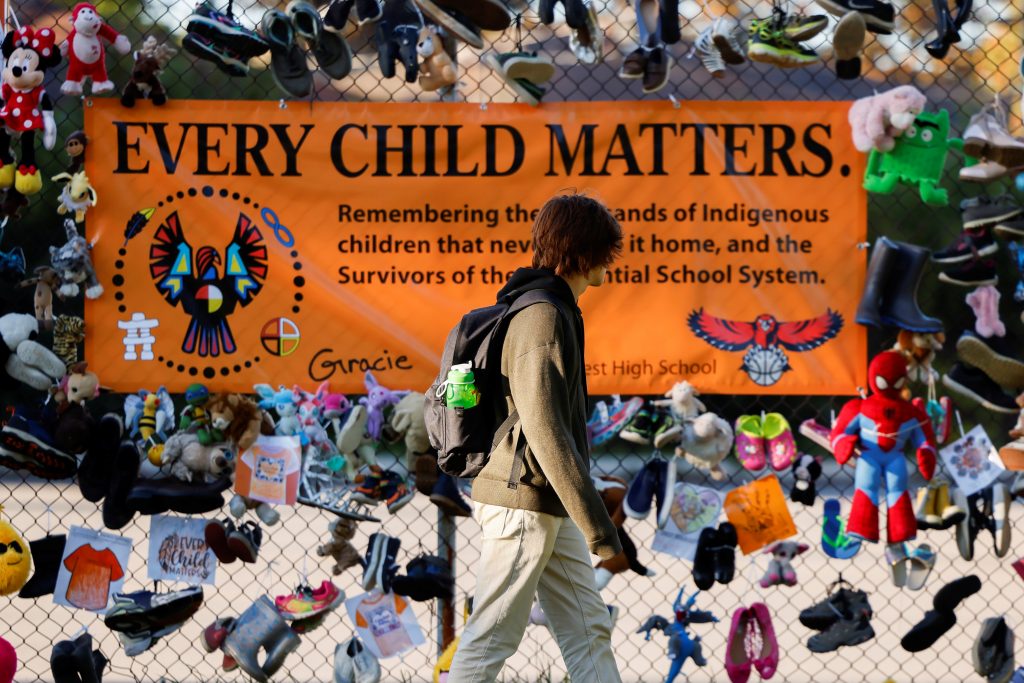


Racism is not just a problem that exists in history books or distant lands; it is a daily reality for many people in Canada. From casual microaggressions in public spaces to systemic discrimination in workplaces, housing, education, and healthcare, racism manifests in different ways across society. While many Canadians may like to believe that racism is a problem that has been largely overcome, the truth is that it continues to persist, affecting marginalized communities — particularly Black Canadians, Indigenous people, and other people of colour.
As more people speak out against injustice, a key message that emerges is that everyone has a role to play in ending racism. It is not only the responsibility of those who are directly affected by it, but it is also the duty of every individual to actively challenge and dismantle the structures that perpetuate inequality.
A Nation Confronting Racism
In recent years, Canadian society has seen a resurgence of public discussions about racism, largely sparked by global movements such as Black Lives Matter and calls for reconciliation with Indigenous communities. These conversations, while uncomfortable for some, are necessary steps toward addressing the long-standing issues that have marginalized people for generations.
Speaking to the ongoing challenges, Dr. Tunde Adebayo, a Black Canadian academic and activist, emphasized that “racism is still deeply embedded in Canadian institutions, and it’s not something that will go away on its own. Canadians like to think of themselves as polite and welcoming, but that doesn’t mean that racism isn’t present here. In fact, that very notion of politeness can often be used to sweep issues under the rug.”
Adebayo’s words underscore a reality many Canadians have yet to fully confront — that the veneer of politeness can often hide the discrimination and biases that impact people of colour daily. His call for more proactive engagement from all Canadians is a sentiment echoed by many.
The Role of Systemic Racism
Systemic racism, which refers to policies and practices that create or maintain racial inequality, is prevalent in areas such as housing, healthcare, the criminal justice system, and employment. Sandra McNeil, a social worker from Toronto, explained, “When we talk about systemic racism, we’re not just talking about individuals being mean or rude. We’re talking about how the system is set up to disadvantage people of colour, whether it’s through hiring practices, access to housing, or even how health services are provided.”
McNeil added, “People who aren’t affected by these issues can often feel detached from them, but just because you’re not directly impacted doesn’t mean it’s not happening. White Canadians need to understand that they have a role to play in changing the system.”
Indeed, research consistently shows that Black Canadians, Indigenous people, and other racialized groups face significant disparities in socioeconomic outcomes. According to a 2020 study by the Canadian Centre for Policy Alternatives, Black Canadians are more likely to be underemployed, experience higher rates of unemployment, and face greater barriers to homeownership compared to white Canadians. Indigenous communities, meanwhile, continue to deal with the legacy of colonialism, grappling with challenges related to healthcare, education, and housing, with many living in poverty and lacking access to basic necessities.
The Impact of Racism on Mental Health
The mental and emotional toll of experiencing racism cannot be overstated. For Black Canadians, Indigenous peoples, and other racial minorities, the constant strain of navigating a society where they are often “othered” can lead to significant mental health challenges, including anxiety, depression, and trauma.
Amara Thompson, a mental health advocate and community leader, shared her experience: “Being a Black woman in Canada means constantly having to prove yourself. In school, at work, and even in social settings, you’re always conscious of how you’re being perceived. It’s exhausting, and it wears you down over time. The worst part is, many people don’t even realize the impact their words or actions have on you.”
She went on to highlight the importance of understanding how racism affects mental health, especially for those who may not experience it firsthand. “If you don’t experience racism, it can be easy to dismiss it as someone being too sensitive. But that’s not the case. The mental strain of constantly feeling like you’re not welcome or like you’re being judged can have serious consequences on your health.”
The Importance of Allyship
While racism affects people of colour directly, it is crucial to recognize that the responsibility to combat racism lies with everyone. White Canadians and those who do not face racial discrimination must play an active role in the fight against racism. Being an ally means more than just acknowledging that racism exists — it requires taking action, speaking out against injustice, and supporting marginalized communities.
Jacob Fraser, a white ally and activist, explained the importance of allyship: “Being an ally isn’t about being a saviour or doing things for people of colour. It’s about listening, learning, and using your privilege to help amplify their voices. Racism is not their problem to solve — it’s our problem too. We all need to work together to create a more just and equitable society.”
Fraser also stressed the importance of humility in the process: “You’re going to make mistakes along the way, and that’s okay. What matters is that you’re willing to learn and grow from those experiences.”
Education as a Tool for Change
Education plays a critical role in dismantling racism. By addressing racial bias and discrimination in schools and workplaces, Canada can begin to shift cultural attitudes and create a more inclusive environment for future generations.
Nicole Joseph, a teacher in Vancouver, emphasized the importance of early education in combating racism: “We need to start talking about these issues with kids from a young age. Racism is learned, and it’s up to us as educators to make sure children understand the harm that it causes. If we want to create a more inclusive society, we need to start by teaching our kids the value of empathy and respect for others.”
Joseph’s perspective highlights the need for systemic change in how race is discussed and taught in Canadian schools. Many activists and educators believe that incorporating more diverse perspectives and histories into the curriculum is key to fostering a more equitable society.
The Path Forward: Collective Action
Ending racism requires a concerted effort from all sectors of society — government, businesses, communities, and individuals alike. Policies that address systemic inequalities, such as those related to housing, employment, and education, are critical to creating lasting change. However, individual actions and attitudes are just as important.
As Canadians, we must acknowledge the ongoing reality of racism and commit to actively confronting it in all its forms. Whether it’s through calling out discriminatory behaviour, advocating for policy changes, or simply engaging in conversations about race, everyone has a role to play.
In the words of Dr. Adebayo, “Racism is not just the problem of those who are directly impacted by it. It’s a societal issue, and it requires a societal response. We all need to take responsibility for creating a better, more inclusive Canada.”
The fight against racism is far from over, but with collective action and a commitment to justice, there is hope for a future where everyone is treated with dignity and respect, regardless of their race or background. Ending racism is not just the right thing to do — it is essential for building a fair and equitable society for all Canadians.